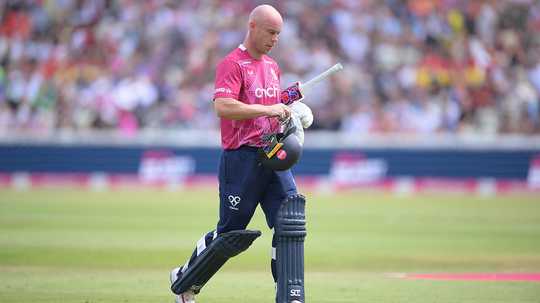

Chris Lynn Receives One-Month Suspension After Cocaine Test Finding
Former Australia batter Chris Lynn has received a one-month suspension from the England and Wales Cricket Board’s Cricket Regulator after a urine test detected a cocaine metabolite. Lynn, who represented Northamptonshire in the T20 Blast, accepted the sanction, which was treated as a breach involving use of a prohibited substance outside competition rather than an attempt to gain a sporting advantage.
The case followed testing conducted on the finals day of the T20 Blast on July 18. According to the regulator’s report, Lynn’s sample was analysed at a World Anti-Doping Agency-accredited laboratory in France and returned an adverse analytical finding for benzoylecgonine, a metabolite of cocaine.
Cocaine is listed as a stimulant under the 2026 WADA Prohibited List and is prohibited in competition. It is also classified as a “Substance of Abuse” under the rules. That classification can be relevant when an athlete demonstrates that use took place outside competition and was unrelated to sporting performance.
Timeline of the Cricket Anti-Doping Case
The Cricket Regulator informed Lynn of the test result on July 31 and placed him under a provisional suspension while the matter was reviewed. On August 20, Lynn responded to the charge and confirmed that he had used cocaine on July 15 and 16—several days before the sample was collected.
Lynn maintained that the use occurred out of competition and had no connection to his performance in cricket. He also supplied evidence in support of that account. After considering the information, the regulator accepted that the violation had occurred outside competition.
A formal notice of charge was issued on September 23. Lynn had initially faced allegations under two articles of the ECB’s anti-doping rules. However, one of those charges was later dropped after the regulator determined that the concentration detected in his urine was below the minimum level required for a charge under the applicable WADA rules.
The distinction between an in-competition and out-of-competition violation is important in anti-doping cases. It does not make the use of a prohibited substance permissible, but it can affect how the rules are applied and what sanction is considered appropriate. In Lynn’s case, the accepted timing of the use and the circumstances presented by the player shaped the outcome.
Why the Suspension Was Reduced
The Cricket Regulator initially sought a three-month suspension. The sanction was reduced to one month after Lynn provided confirmation that he had completed a substance-of-abuse treatment programme. The report states that his suspension was considered served on August 30, one month after his provisional suspension began.
That treatment programme formed part of the regulator’s assessment of the case. Under anti-doping frameworks, an athlete’s response after a violation may be relevant to the final sanction, particularly when the substance is designated as one of abuse and the athlete demonstrates engagement with appropriate support. The reduction did not erase the finding, but it reflected the circumstances accepted by the regulator and Lynn’s completion of the programme.
Because the provisional suspension counted toward the final period, the one-month sanction had already been completed by the time the case reached its formal resolution. The decision therefore relates to conduct and testing from the 2025 T20 Blast season, rather than imposing a new period away from cricket after the stated completion date.
What the Finding Means for Lynn and Northamptonshire
Lynn’s case is a reminder that anti-doping rules apply to professional cricketers even when a substance is taken away from a match environment. Players remain responsible for understanding the prohibited list, the timing restrictions attached to particular substances and the potential consequences of a positive test. A substance that is prohibited only in competition can still trigger a formal process when it is detected in a sample collected during the relevant testing window.
For clubs and tournament organisers, the case also highlights the importance of clear education and access to confidential support. Cricket’s domestic competitions bring together players with varied schedules and backgrounds, while testing obligations remain in place throughout the season. Guidance on medication, recreational substances and anti-doping procedures can help players make informed decisions and seek assistance before problems escalate.
The ruling does not suggest that Lynn used cocaine to improve his cricketing performance. The regulator accepted his explanation that the use took place out of competition, and the reduced sanction reflected that finding alongside his completion of treatment. Nevertheless, the adverse analytical finding and accepted use resulted in a formal anti-doping violation.
Cricket Prediction and the Wider Impact
For supporters following Northamptonshire and the wider T20 Blast, the case is unlikely to alter the result of a completed match, but it may influence how Lynn’s recent cricketing record is discussed. Any future cricket prediction involving the batter should be based on confirmed availability, fitness and team selection—not speculation about the disciplinary process, which the regulator says has already resulted in a completed suspension.
More broadly, the case is a prompt for players, coaches and fans to distinguish between a sporting-performance violation and a substance-use issue handled under anti-doping rules. Those categories can overlap in the rulebook, but the facts and sanctions depend on details such as when the substance was taken, the test result, the athlete’s explanation and the evidence provided.
Lynn accepted the one-month sanction, and the regulator’s report records that the period was completed on August 30. The episode closes with a formal finding, a reduced penalty and confirmation that treatment was undertaken. It also underlines a central point for professional cricket: substances on the prohibited list can carry serious consequences, even when their use is said to have occurred away from competition.