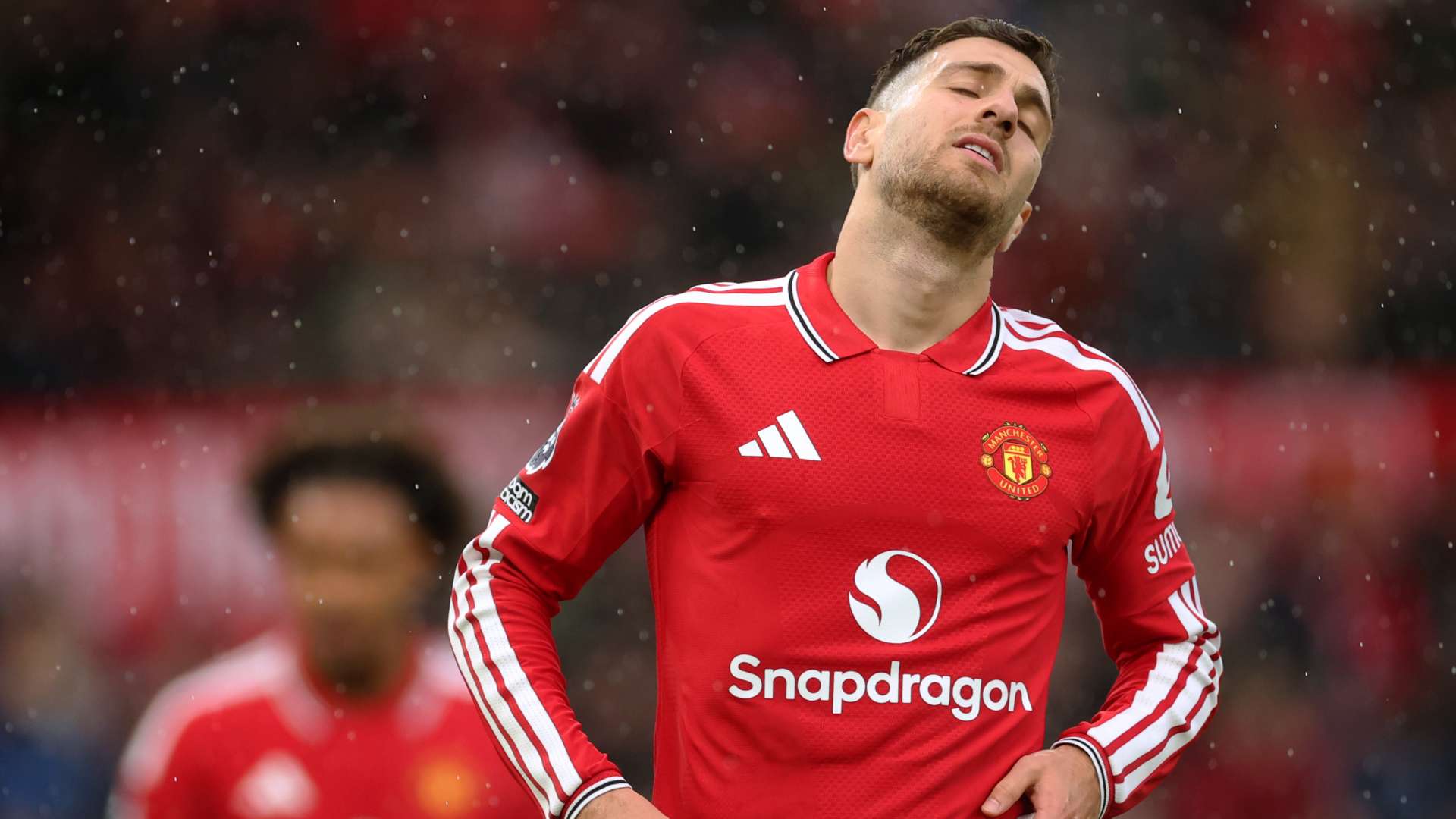

Manchester United Face Difficult January Transfer Decisions, Paul Parker Warns
Manchester United could find it harder than expected to move on from underperforming, high-earning players when the January 2027 transfer window opens, former defender Paul Parker has warned. Speaking to GOAL, Parker said some members of the squad had been allowed to “doddle through” for too long, leaving the club with a challenging task as it looks to reshape the team.
United’s inconsistent performances have repeatedly prompted change at Old Trafford, both on the pitch and behind the scenes. The next major test will fall to incoming head coach Mauricio Pochettino, who is expected to assess the squad and decide which players still have a role in his plans. But identifying who should leave is only one part of the problem: finding willing buyers for players on substantial contracts may prove just as difficult.
Why United could struggle to sell unwanted players
In modern football, a player’s transfer value depends on more than talent or reputation. A potential buyer must also consider wages, contract length, age, fitness and whether the player fits the team’s tactical approach. If a footballer is earning a salary that few clubs can match, United may have to accept a reduced fee, contribute to wages or negotiate a loan before a deal becomes realistic.
That can complicate a rebuild. A club may want to free up space in its squad and budget, but players under contract are not obliged to leave simply because a new manager has arrived. If their current terms are more attractive than the offers available elsewhere, they may prefer to stay and compete for a place—or remain on the sidelines while continuing to collect their salary.
Parker’s concern is that United may now be dealing with the consequences of letting inconsistent performers remain in the squad for too long. When decisions are delayed, a player’s market value can fall, while a long contract and rising wages make a future exit more complicated. The result can be a cycle in which the club struggles to sell, struggles to recruit, and carries expensive squad members who are not central to its plans.
Pochettino’s first challenge: assess the squad
Pochettino will need to make a clear-eyed evaluation once he takes charge. That means looking beyond individual moments of quality and asking whether each player can deliver consistently, meet the demands of his preferred system and contribute to a stronger team culture. A respected name or a promising spell in the past may not be enough if current performances do not meet the required standard.
The new coach’s choices could affect every area of the squad. He may decide that certain players can improve with a defined role, better coaching or a more suitable tactical setup. Others may be considered surplus to requirements, particularly if their positions are already well covered or if younger players are ready for greater responsibility.
That distinction matters because a major clear-out is not always the best solution. Replacing several players at once can disrupt the dressing room and create new weaknesses, especially if recruitment does not happen quickly. Pochettino will have to balance the desire for change with the need to keep enough quality and experience available for the second half of the season.
January window brings urgency—and risk
The January transfer window often presents fewer opportunities than the summer market. Clubs may be reluctant to sell important players midway through a campaign, and available replacements can be limited. United could therefore face pressure to act quickly while also avoiding expensive decisions made simply to show that change is happening.
For players expected to leave, the timing may also be difficult. A prospective buyer might be willing to negotiate a loan but unwilling to take on a full transfer, particularly if the player has struggled for regular minutes or consistency. United may need to consider flexible arrangements, including loan deals with options or obligations to buy, while carefully weighing the financial impact.
There is also a sporting cost to keeping unhappy or out-of-favour players in the group. If they are not selected, they can take up valuable squad places and limit opportunities for emerging talent. But removing too many options without securing replacements could leave Pochettino short of depth during a demanding run of fixtures.
What United’s transfer strategy may need
A more disciplined approach could help the club avoid repeating past mistakes. That means setting realistic expectations about transfer fees, reviewing wage commitments before offering new contracts and making decisions early enough to preserve a player’s value. United may also need to prioritise recruitment based on tactical need rather than reputation alone.
For supporters, the key question will be whether the club can turn a difficult squad assessment into a coherent plan. Selling players is not automatically progress, just as signing new ones does not guarantee improvement. The quality of the decision-making—who leaves, who stays and how replacements fit together—will shape the team’s prospects far more than the number of deals completed.
United’s next match is against Liverpool in the Premier League on 23 November 2026, a fixture that will offer another demanding test of the team’s current level. It will not determine the January strategy by itself, but performances in the weeks ahead could influence Pochettino’s assessment of which players can be trusted in high-pressure football.
Manchester United transfer prediction
Prediction: United are likely to pursue a selective squad overhaul rather than attempt to sell every underperforming player in January. High wages and limited midseason options could make permanent exits difficult, so loans, reduced-fee deals or moves involving wage contributions may be more achievable. Pochettino’s priority is likely to be identifying a small number of clear departures while protecting the squad’s depth.
Parker’s warning highlights a broader challenge for Manchester United: rebuilding is not simply about choosing who should go. The club must persuade other teams to take those players, manage the financial consequences and ensure that any departures help create a stronger, more balanced squad. With Pochettino facing major decisions and the January window approaching, United’s ability to plan patiently could prove just as important as its willingness to make changes.