
Bayern Munich’s Michael Olise signing and Harry Kane’s rise as a leader
Bayern Munich sporting director Max Eberl has offered fresh insight into two of the club’s most important stories: the recruitment of winger Michael Olise from Crystal Palace and Harry Kane’s growing influence in the dressing room. His comments highlight how transfer decisions rely on more than statistics—and how a team’s environment can help elite players reach another level.
Olise arrived in Munich with a reputation as a gifted, creative left-footed attacker. Bayern believed his technical quality and attacking instincts suited the club’s style, but Eberl says the decision was also shaped by conversations with people who knew the player well. Meanwhile, Kane has developed from a world-class striker into one of the voices setting the tone for the team.
Why Bayern were convinced to sign Michael Olise
Speaking to Sabiner 51, Eberl explained that Olise’s journey through several English academies did not concern Bayern. A winding route through youth football, he suggested, can help build resilience and character rather than signal a lack of potential.
For Bayern’s recruitment team, personal insight was essential. Eberl said the club looked beyond match footage and performance data, seeking opinions from former teammates, opponents and coaches. In Olise’s case, they had a particularly useful connection: Oliver Glasner, who coached the winger at Crystal Palace, was well known to Bayern sporting director Christoph Freund.
Glasner’s assessment proved revealing. Rather than offering an uncomplicated endorsement, the Palace manager acknowledged that Olise still had areas to improve while making clear how much he valued the player. For Bayern, that combination carried weight. A coach’s willingness to keep a developing talent, Eberl suggested, can speak volumes about his importance to the team.
The club’s discussions with Olise himself reinforced the impression. Eberl described talking football with the winger as a pleasure, pointing to the value of understanding a player’s personality, ambitions and approach to the game alongside his technical ability.
A transfer built on profile and potential
Bayern knew they were bringing in a high-level left-footed winger who fitted the club’s footballing profile. Olise offered the creativity and one-on-one ability needed to unsettle defensive lines, while his capacity to operate in attacking areas gave the coaching staff tactical options. Yet Eberl distinguished between recognising a player’s quality and predicting just how exceptional he might become.
The financial terms of the move were influenced by a release clause in Olise’s Crystal Palace contract, making the transfer value broadly anticipated. But a clause only explains part of a deal. Bayern’s wider calculation included the player’s room for growth, the quality of his new teammates and the environment in which he would develop.
That context matters when assessing any football transfer. A talented player does not improve in isolation: coaching, competition for places, tactical clarity and relationships on the pitch can all affect how quickly potential becomes consistent performance. Bayern’s hope was that Olise’s individual strengths would flourish within a squad built to challenge for major honours.
Harry Kane’s transformation into a Bayern leader
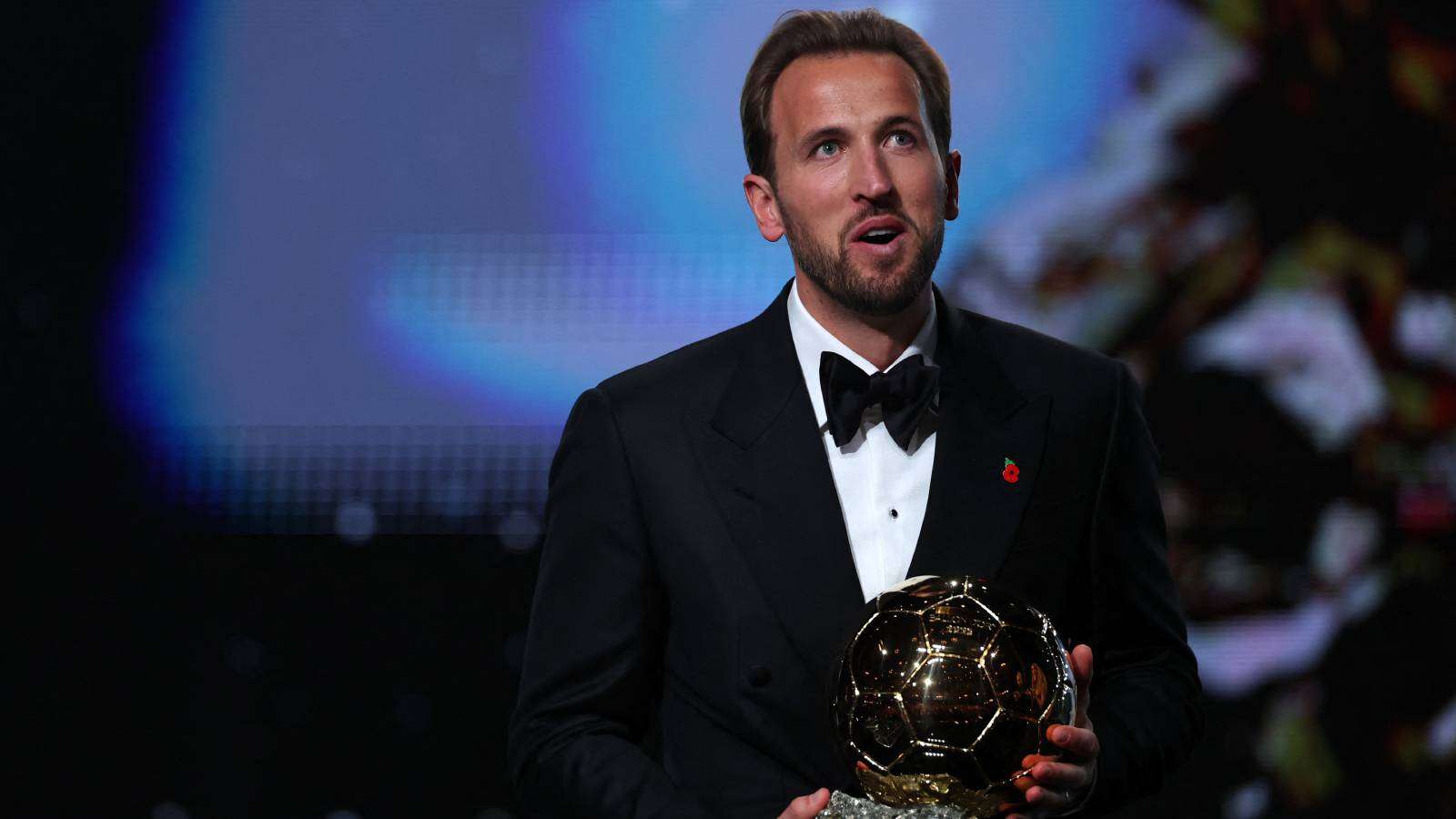
Eberl also discussed Kane’s evolution since joining Bayern. The England captain was already recognised as an elite goalscorer, but his impact in Munich has extended beyond finishing chances. According to Eberl, Kane has become a leader who accepts responsibility both through his performances and through his conduct when the team faces difficult moments.
The sporting director acknowledged that even a player of Kane’s calibre can struggle to produce his best football when a team is dealing with problems. Confidence, organisation and collective form all influence individual output. Eberl’s view is that Kane’s current level reflects not only his personal ability but also a stronger environment around him.
He recalled Bayern’s 4–1 defeat to Barcelona during Vincent Kompany’s first season in charge. After the match, Kompany asked the players to reflect on what had gone wrong. Kane then stood up and delivered a speech that Eberl described as moving and direct, addressing the heart of the team’s difficulties.
The moment offered a glimpse of a side of Kane that is less visible in highlight reels. Leadership is not limited to captains’ armbands or public statements; it can also mean speaking honestly after a setback and helping teammates focus on what must change. Eberl said Kane has continued to lead through his football, while never avoiding the responsibility that comes with his status.
How Bayern’s system supports Kane
Kane’s influence is also tied to the way Bayern play. The striker’s movement, link-up work and ability to create opportunities for others make him more than a penalty-box finisher. When the team’s structure and teammates support those qualities, he can contribute across the attack while remaining a constant goal threat.
Eberl described Kane as an example of what can happen when the right elements come together: a world-class player, a suitable tactical system, supportive teammates and a stable team environment. That assessment offers useful context for football fans considering Bayern’s prospects and any football prediction involving the club. Individual star power matters, but collective form and tactical balance can be just as decisive.
The same principle connects Kane’s development with Olise’s arrival. Bayern are investing in players whose abilities can be strengthened by the team around them. Olise brings youthful creativity and further attacking options; Kane provides goals, experience and an increasingly prominent voice. If both continue to thrive within Kompany’s structure, their partnership could become a defining feature of Bayern’s campaign.
What the comments mean for Bayern’s ambitions
Eberl’s remarks reveal a recruitment approach based on detailed research, trusted relationships and an understanding of how players develop. Bayern did not view Olise’s past setbacks as a reason to hesitate; instead, they examined his character, coaching history and potential fit. With Kane, the club has seen how leadership can emerge when a player feels empowered to influence the group.
For supporters, the key takeaway is that Bayern’s strength is not measured only by transfer fees or individual statistics. The club’s ambitions will also depend on how effectively new signings adapt, how well established stars guide the squad and whether the team can maintain the conditions that allow its best players to perform. Those factors will shape Bayern’s results—and make the club an increasingly compelling subject for analysis, discussion and football prediction.