
Unveiling the Secrets Behind a Badminton Champion: Insights from the Expert’s Perspective
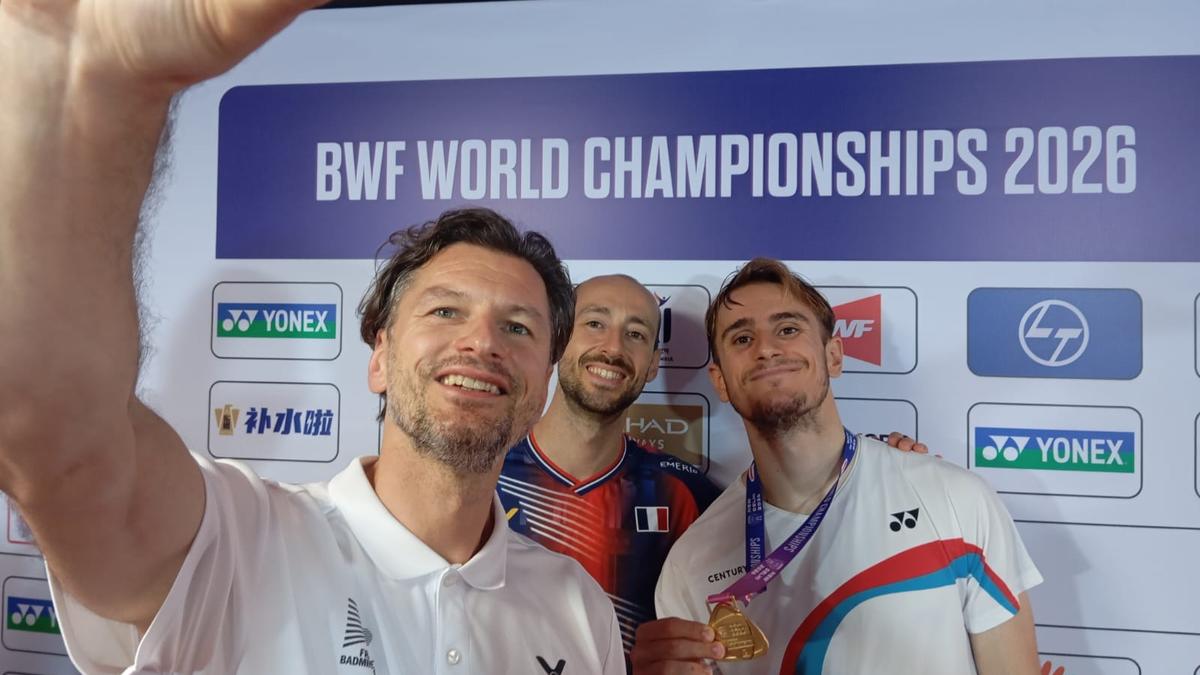
Few sports demand the relentless agility, endurance, and precision that badminton does. As the sport evolves, so does the understanding of what it takes to forge a world champion. Recently, an inspiring moment at the Badminton World Championships in New Delhi highlighted this journey—Alex Lanier, the newly crowned French men’s singles champion, captured global attention. Yet behind this victory lies a deeper story of meticulous preparation, expert coaching, and scientific training techniques, exemplified by Carlos Rubio, the recently retired head of Strength and Conditioning for the French badminton team.
The Making of a World Champion: The Role of Strength & Conditioning
In an exclusive interview with Sportstar, Rubio shares insights into the rigorous process of building elite badminton players. His work underscores that success in badminton extends beyond natural talent—it’s about a holistic, individualized approach combining science, strategy, and relentless dedication.
What Does It Take to Build a Badminton World Champion?
Rubio emphasizes that creating a champion involves comprehensive dedication from the athlete, complemented by expert support across multiple disciplines. He explains, “We integrate knowledge from various specialists—coaches, physical trainers, nutritionists, psychologists, data analysts, and performance managers—to craft personalized training regimes.” Each player’s unique physical and mental makeup demands tailored programs that optimize performance while minimizing injury risk. The goal isn’t merely to win medals but to ensure players are in peak condition when it matters most.
From the Ground Up: Building a Robust Training Foundation
Rubio joined the French badminton program in January 2025, with a clear mission: to revolutionize their training process. His approach focuses on scientifically driven strength and conditioning strategies that adapt to individual needs. “Our aim is to prepare players so that they are in the best possible shape for major tournaments,” he notes. “While we can’t control the opponent or the outcome, we can control the preparation.”
He further explains that the existing program was already strong but required refinement—shifting from traditional methods to a more data-driven, individualized model. The focus on load monitoring—balancing physical, mental, and emotional stressors—ensures players avoid overtraining or undertraining, which can be equally damaging at the elite level.
The Physical Demands of Badminton: More Than Just Quick Reflexes
Many sports enthusiasts are surprised to learn just how physically taxing badminton is. Rubio highlights that top players perform countless high-intensity actions—rapid directional changes, explosive smashes, and lightning-fast recoveries—repeated thousands of times during a match. “Moving swiftly to defend, then returning to attack, is far more demanding than it appears,” he says. “The ability to perform these movements repeatedly over the course of a match, across days, is what separates champions from the rest.”
Key Physical Qualities for Elite Badminton Players
Depending on a player’s style—aggressive, defensive, or long-rally specialist—the required physical attributes can vary. However, Rubio identifies some universal qualities necessary for success:
- Maximum strength: Essential for powerful smashes and quick reactions.
- Explosive power: Needed to initiate rapid movements and change directions swiftly.
- Endurance: Critical for maintaining technical and tactical precision throughout long rallies.
- Mobility and flexibility: Vital for efficient movement and injury prevention.
He emphasizes that elite players must strike a balance—possessing enough strength and endurance without becoming overly muscular, which can hinder agility and increase injury risk.
Understanding the Variability: Why Performance Is Multifaceted
Rubio dispels the misconception that physical prowess alone guarantees victory. Comparing players like Anders Antonsen and Alex Lanier, he notes that physical attributes are just one piece of the puzzle. “Performance results from a combination of physical, tactical, and mental components,” he explains. “A player may have exceptional physical strength but still lose if their tactical awareness or shot accuracy falls short.”
Adapting to Play Style and Match Demands
Rubio points out that training must be customized according to a player’s style. For instance, aggressive players require explosive strength and fast recovery, while defensive players might focus more on endurance and mobility. Additionally, the demands differ between singles and doubles, with doubles players experiencing higher shoulder loads due to rapid overhead actions.
The Impact of Changing Rules: The 15-Point System and Its Implications
With badminton transitioning to a 15-point scoring system, questions arise about how training and physical preparation will evolve. Rubio asserts that this change doesn’t reduce the importance of physical fitness; instead, it shifts the focus towards optimizing explosive speed and recovery within shorter, more intense rallies. “You can’t just switch from stamina to explosiveness overnight,” he says. “Training must be tailored specifically to the game’s new pace.”
The Metabolic Challenge: Sprinting Every 25 Seconds
In the new format, players are required to execute multiple high-intensity sprints within brief rest periods. Rubio highlights that this demands exceptional metabolic conditioning—training that enables players to perform repeated sprints without fatigue compromising technique or decision-making.
The Biggest Challenges in Training Elite Badminton Athletes
One of the central challenges Rubio notes is managing training load during tournaments. “The biggest issue isn’t overloading during training but underloading during competitions,” he states. “Consistent travel, jet lag, and frequent matches can hinder progress if not managed carefully.”
He advocates for strategic load management—finding a balance between maintaining fitness and allowing sufficient recovery. Many players tend to do too little during tournaments, which can hamper performance and development over time.
Training During Competitions: A Strategic Necessity
Contrary to common practice, Rubio emphasizes the importance of ongoing training during tournaments. “With proper knowledge, players can continue to load their muscles and maintain readiness without sacrificing match performance,” he explains. “This requires understanding how the human body reacts to stress and recovery.”
Longevity in Badminton: Overcoming Age-Related Challenges
As players age, maintaining top performance becomes increasingly complex. Rubio shares that seasoned athletes like Chou Tien Chen exemplify effective adaptation strategies. “Older players must modify their gameplay—focusing more on tactical awareness, efficient movement, and injury prevention,” he says. “They can still compete at high levels by leveraging experience and strategic play.”
Physical and Mental Management for Older Athletes
Rubio emphasizes that mental resilience and stress management become even more crucial with age. “Experience teaches players how to conserve energy and adapt tactics,” he notes. “Physical decline isn’t inevitable; smart training and recovery are key.”
Spotlight on Alex Lanier: The Physically Gifted Champion
Rubio speaks highly of Alex Lanier, describing him as a model of physical excellence. “Lanier’s strength, explosiveness, endurance, and body awareness are exceptional,” he states. “His genetic potential is evident, but maintaining that level requires careful management to prevent excessive muscular weight that could impair agility.”
Balancing Strength and Mobility
Rubio explains that his role involves fine-tuning Lanier’s training to maximize explosiveness while preventing overgrowth. “We focus on developing functional strength without adding unnecessary bulk, ensuring he remains quick and agile,” he says. “This balance is critical for sustaining performance at the highest level.”
Reflections on the French Badminton Program and Future Prospects
Rubio reflects on France’s recent successes—winning two medals at the World Championships—and credits meticulous preparation and strategic planning. “We structured everything well before the tournament,” he recalls. “By consistently refining our strategies and applying sports science, we were able to put our players in the best position to succeed.”
The Power of Data and Technology in Modern Badminton Training
He underscores the importance of data-driven decision-making. “Technology helps us assess aspects our senses can’t perceive—like daily strength variations, recovery status, and stress levels,” Rubio explains. “Inertial measurement units and accelerometers provide insights into movement patterns and load, informing training adjustments.”
However, he warns that the challenge lies in choosing the right data—more isn’t always better. “We must focus on relevant, actionable information that guides daily and weekly decisions,” he adds.
Conclusion: The Future of Badminton Training and Performance
As the sport continues to evolve, so too will the approaches to training elite badminton players. Experts like Rubio emphasize that success hinges on a blend of scientific rigor, personalized strategies, and mental resilience. The physical demands of badminton are immense, requiring players to be agile, explosive, and enduring—all at once. With advances in sports science and technology, the pathway to becoming a world champion is more precise and strategic than ever before.
From managing load during intense tournaments to optimizing physical qualities tailored to individual play styles, the journey to badminton excellence is complex but achievable. The story of Alex Lanier’s rise, underpinned by meticulous physical preparation, exemplifies how modern training methods are shaping the future of badminton—making champions not just talented, but scientifically prepared for greatness.