
Mustapha Hadji urges Brahim Diaz to leave Real Madrid for regular football
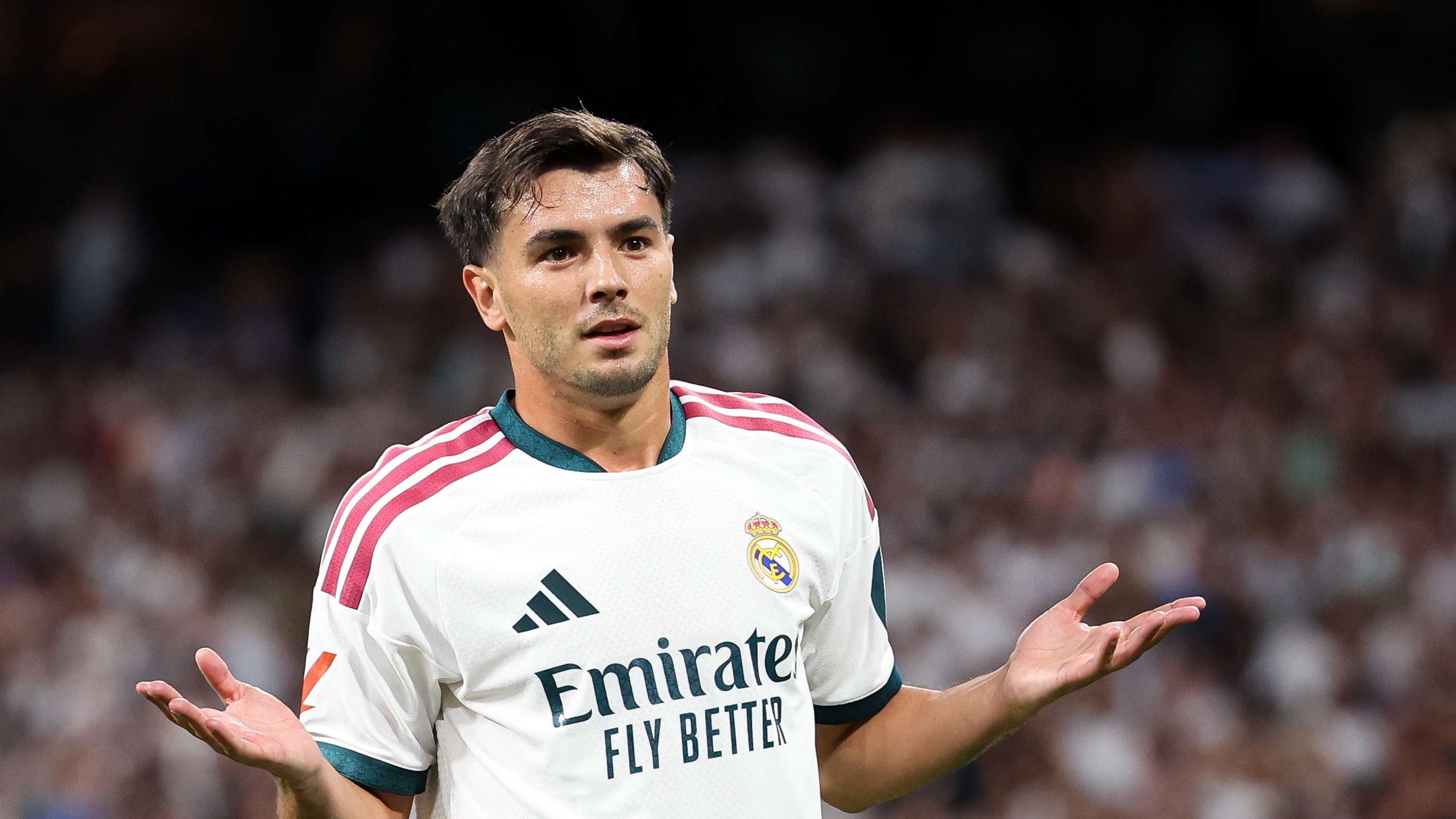
Morocco great Mustapha Hadji has urged Brahim Diaz to consider leaving Real Madrid, arguing that regular playing time should take priority if the attacking midfielder wants to protect his international future. Hadji believes a move to Saudi Arabia—or another club where Diaz can start consistently—could give the Morocco international the minutes he is currently struggling to find at the Bernabeu.
The debate highlights a familiar challenge for players at elite clubs: a prestigious shirt does not always guarantee a meaningful role. Diaz has shown promise when selected, but competition for places in Real Madrid’s forward line has limited his opportunities. For a player hoping to remain central to Morocco’s plans, that lack of action could become increasingly significant.
Limited minutes at Real Madrid raise questions
According to the figures cited in reports, Diaz has played only 210 minutes across six matches in all competitions this season. That makes him one of the least-used members of the squad, despite contributing two assists in the Champions League during the opportunities he has received.
Those numbers do not necessarily reflect a lack of quality. Diaz has demonstrated technical ability, close control and an eye for a decisive pass, qualities that can make a difference in tight matches. The difficulty is finding a regular place in a team packed with high-level attacking options. At Real Madrid, even a strong performance may not be enough to secure a sustained run in the starting XI.
For an attacking midfielder, limited appearances can also disrupt rhythm. Match fitness, confidence and understanding with teammates are often built through repeated minutes, not occasional cameos. Diaz may be able to make an impact from the bench, but Hadji’s argument is that brief appearances are unlikely to provide the consistent platform a player needs to develop and compete at the highest level.
Hadji’s advice: choose playing time over prestige
Speaking to Kooora, Hadji acknowledged the status of Diaz’s current club but said he would recommend a move if a suitable offer arrives. “He plays for the biggest club in the world, but honestly I advise him to leave for the Saudi league if there is an offer,” the former Morocco international said.
Hadji also rejected the idea that Saudi Arabia should automatically be viewed as a step down in sporting terms. He said he follows the Roshn League and believes its teams feature established professionals and a demanding level of competition. His point is not simply that Diaz should accept any transfer, but that he should seek an environment where he can play regularly and remain competitive.
Reports have linked Saudi Pro League side Al-Ittihad with a possible move for Diaz in the January transfer window, with a substantial offer said to be under consideration. The interest remains a reported possibility rather than a confirmed transfer, and any decision would depend on the clubs, the player and the terms of a potential deal. Still, the speculation has sharpened the question of what matters most at this stage of Diaz’s career: staying at one of football’s most famous clubs or moving somewhere that offers a clearer route to regular starts.
Why Morocco’s plans matter
Hadji’s warning is especially direct when it comes to the national team. He argued that a player receiving only a handful of minutes at club level could find it difficult to justify a place in Morocco’s squad. In his view, Diaz needs to be playing enough football to arrive at international duty sharp, match-ready and able to influence games.
National-team selection is shaped by more than club minutes alone. A coach may also weigh a player’s form, tactical suitability, experience and importance to the squad. However, regular club appearances can strengthen a player’s case by providing evidence of current fitness and performance. For Morocco, whose ambitions include competing strongly in major tournaments, selecting players who are active and in rhythm can be an important part of building a balanced squad.
Hadji put the issue plainly, saying it would be difficult to call Diaz into the Morocco setup if his role at Real Madrid remained so limited. He added that he hopes the midfielder can join a major club in Saudi Arabia or another league where he has the opportunity to play “more than an hour in every match.” The remark captures the central point of his advice: Diaz needs more than occasional substitute appearances if he is to remain a dependable option for club and country.
What a transfer could mean for Diaz
A move to Al-Ittihad or another ambitious club could offer Diaz a more prominent role, but a transfer would not guarantee success. He would still need to adapt to a different league, meet new tactical demands and earn the confidence of his next coach. The level of competition, the club’s objectives and the quality of the squad would all matter when assessing whether a move is the right fit.
Saudi Arabia’s growing profile has made the league a destination for internationally recognised players, while clubs continue to invest in experienced talent. For Diaz, the attraction would be strongest if a prospective team could offer both a competitive project and a consistent role. A transfer made solely for immediate playing time might not be enough; the longer-term sporting plan would also need to support his development and international ambitions.
Remaining at Real Madrid also has potential benefits. Training and competing alongside elite players can support a footballer’s growth, and squad roles can change quickly over a long season. Injuries, form and tactical adjustments may create new openings. But Diaz would need to weigh those possibilities against the immediate reality of his limited minutes—and the risk that his international momentum could suffer if the situation continues.
The prediction: a career decision with no simple answer
Hadji has made his prediction clear: if Diaz receives a serious offer that brings regular football, he should consider taking it. The former Morocco star’s advice is based on the belief that consistent minutes are essential for maintaining form and securing a place with the Atlas Lions. Whether Diaz follows that recommendation will depend on the opportunities available and his own view of his role at Real Madrid.
For now, the situation remains one to watch as the January window approaches. A move could give Diaz the playing time Hadji believes he needs, while staying in Madrid would leave him competing for opportunities at one of the world’s most demanding clubs. Either way, the decision could shape the next stage of his career—and influence how central he remains to Morocco’s plans.