
FIFA President Gianni Infantino Faces Possible US Congressional Testimony
Gianni Infantino’s relationship with Donald Trump and FIFA’s handling of World Cup-related business are facing renewed scrutiny in the United States. With Democrats set to take control of the House of Representatives, the investigation into the FIFA president could gain new momentum, potentially requiring him to provide documents or testify before Congress.
The inquiry is being led by the House Judiciary Committee and focuses on FIFA’s financial and political connections with Trump and people in his circle. According to reporting by The Telegraph, citing senior FIFA officials who spoke anonymously, Infantino could face a legal demand to give evidence as early as January. No final decision has been announced, and the committee has not confirmed that a summons is imminent.
The developments come at a sensitive time for Infantino. He is campaigning to retain the FIFA presidency in an election scheduled for next March, while questions about the organization’s transparency and its relationships with powerful political figures continue to attract attention. For football fans, the dispute raises broader questions about who benefits from the commercial and political influence surrounding the world’s biggest sporting events.
Why the House investigation could become more powerful
Democrats’ victory in the midterm elections is expected to give Representative Jamie Raskin a path to chair the House Judiciary Committee when the new Congress begins in January. As a senior Democrat on the committee, Raskin has already been central to the investigation. If he becomes chairman, he would have greater authority to pursue records and seek testimony through formal congressional procedures.
Raskin began examining Infantino’s connections with Trump in July. In a letter sent on July 26, he described what he called an “ongoing campaign” by FIFA to win the president’s favour and requested records of communications involving FIFA, Trump, his administration and the Trump Organization. The committee has not received all the material it sought.
In September, committee members criticized FIFA’s response as “regrettably insufficient” and questioned whether the federation had cooperated adequately. At that point, however, the request was not backed by a formal summons. That distinction matters: a voluntary request and a legally enforceable demand carry different consequences.
A committee source told The Telegraph that lawmakers still have “serious questions” about FIFA’s practices and payments connected to the World Cup. The source added that all investigative options remain under consideration, while stressing that no decision has yet been made. Trump himself is not expected to be called to testify at this stage, according to the report.
Questions over a domestic worker’s employment
One issue drawing attention is a report that Infantino asked Carlos Cordeiro, described as a key intermediary between FIFA and Trump, to help secure a work permit for an immigrant domestic worker employed at Infantino’s luxury home in Miami. FIFA has rejected allegations of wrongdoing.
Critics argue that the circumstances should be examined to determine whether any laws or rules were breached, including questions about the possible use of a nonprofit foundation’s money or FIFA resources. Documents reportedly raised questions about whether the worker appeared on FIFA’s payroll in the Americas, prompting attention from tax authorities.
FIFA has said Infantino personally pays the costs of his domestic staff. In a statement, the organization said that matters involving the president’s private and domestic life are personal, but emphasized that he bears the expenses himself. It also strongly rejected suggestions that the worker’s conditions were improper.
Those claims remain disputed, and the available reporting does not establish that a law was broken. The congressional inquiry could seek records to clarify how the worker was paid, which entity handled any employment arrangements and whether FIFA resources were involved.
World Cup rights and Trump-linked business connections
Infantino’s broader relationship with Trump has been a recurring focus, particularly as the United States prepares to host major international football events. The FIFA president has also faced scrutiny over reported discussions to sell a share of World Cup rights to a company owned by the brother of Jared Kushner, Trump’s son-in-law.
The prospect of members of the Kushner family being asked to testify in January has been described by one source as a strong possibility, though no formal decision has been confirmed. The rights discussions are significant because World Cup media and commercial agreements can involve substantial sums and influence how the tournament is promoted and financed.
For supporters, these questions go beyond political optics. The World Cup is built on global audiences, commercial partnerships and public trust. Any suggestion that access, rights or payments may be shaped by personal connections can prompt calls for clearer disclosure—especially when public officials and private businesses appear close to decisions involving a major sporting property.
Infantino’s public ties with Trump under scrutiny
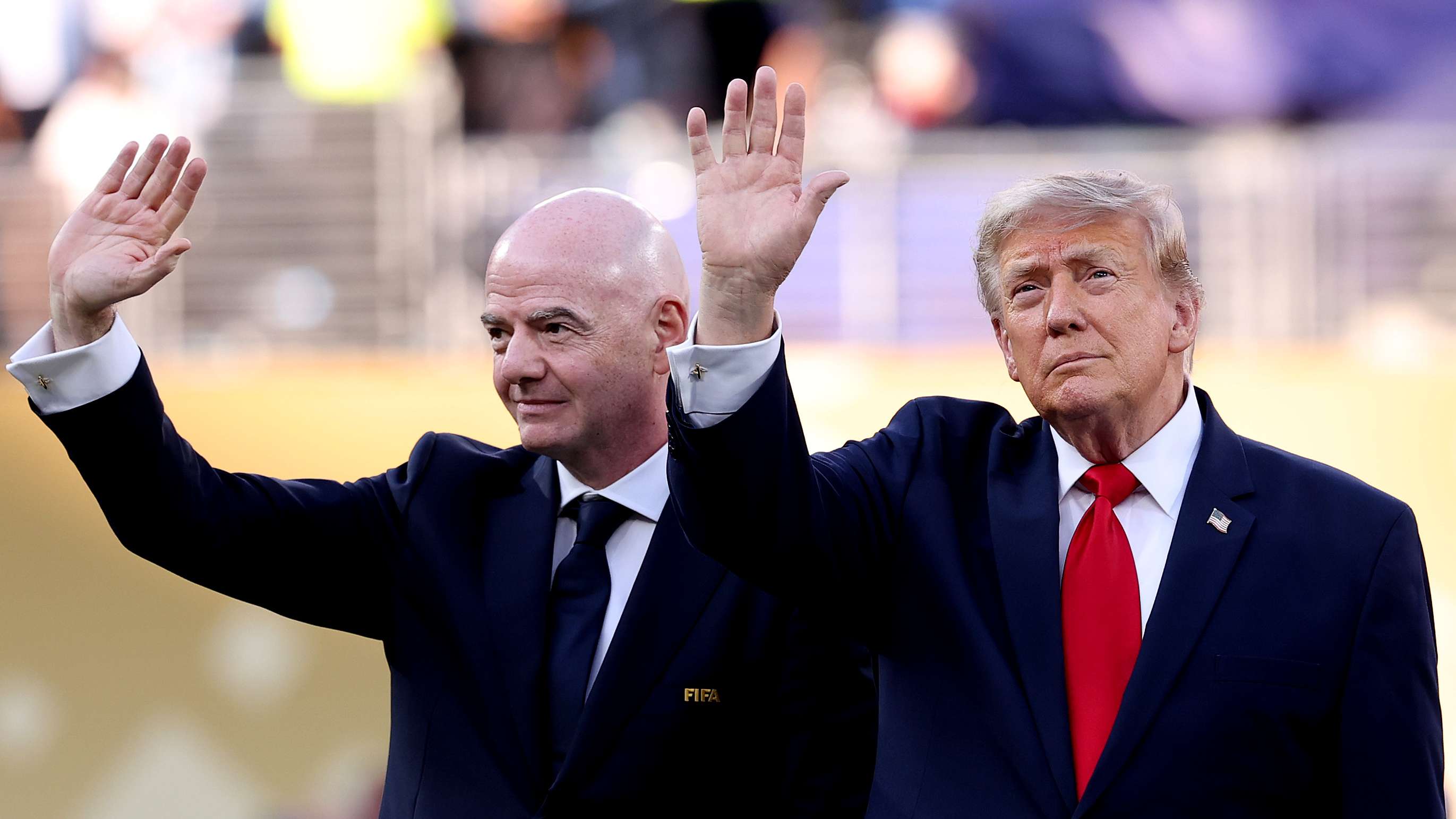
The relationship between the two men became especially visible during preparations for this summer’s World Cup. Infantino presented Trump with the first FIFA Peace Prize, a gesture that brought the football leader’s political connections into sharp public focus.
That moment has added context to the committee’s concerns about whether FIFA has sought favourable treatment or cultivated influence with the US president and his allies. The central issue for lawmakers is not simply whether the two leaders have met, but whether FIFA’s conduct, spending or commercial decisions were affected by those relationships.
FIFA says it has held productive discussions with committee members and continues to engage with them. The federation said it had received no indication that lawmakers were dissatisfied with its cooperation and stated that it was ready to answer further questions.
Legal chief’s departure adds another point of interest
The renewed congressional attention comes shortly after Emilio García Silvero resigned as FIFA’s chief legal officer following eight years under Infantino. His role covered disciplinary proceedings at tournaments, transfer-market regulations and contractual disputes, making his knowledge potentially relevant to questions about FIFA’s internal processes.
His departure does not itself indicate wrongdoing, and no public evidence links it to the US investigation. However, lawmakers seeking to understand how FIFA handled contracts, payments or communications may want to hear from officials familiar with the organization’s legal and administrative systems.
What happens next—and why it matters to football
The next stage will depend on whether the committee chooses to issue formal demands once the new Congress convenes. If it does, FIFA could be pressed to provide records that have not yet been supplied, while Infantino and other figures may face requests to testify. For now, the investigation remains ongoing, and its outcome is uncertain.
There is no reliable prediction yet about whether Infantino will be summoned or whether the inquiry will lead to legal action. The immediate test will be whether FIFA provides enough information to satisfy lawmakers—and whether Congress considers that response complete and transparent.
Whatever the outcome, the dispute highlights the growing intersection of football, politics and business. As FIFA manages World Cup rights and partnerships across multiple countries, scrutiny of its decisions is likely to intensify. The investigation may therefore shape not only Infantino’s leadership campaign, but also public expectations for accountability in the governance of global football.