
Van Hecke praises Xavi’s positive influence as Netherlands target Nations League progress
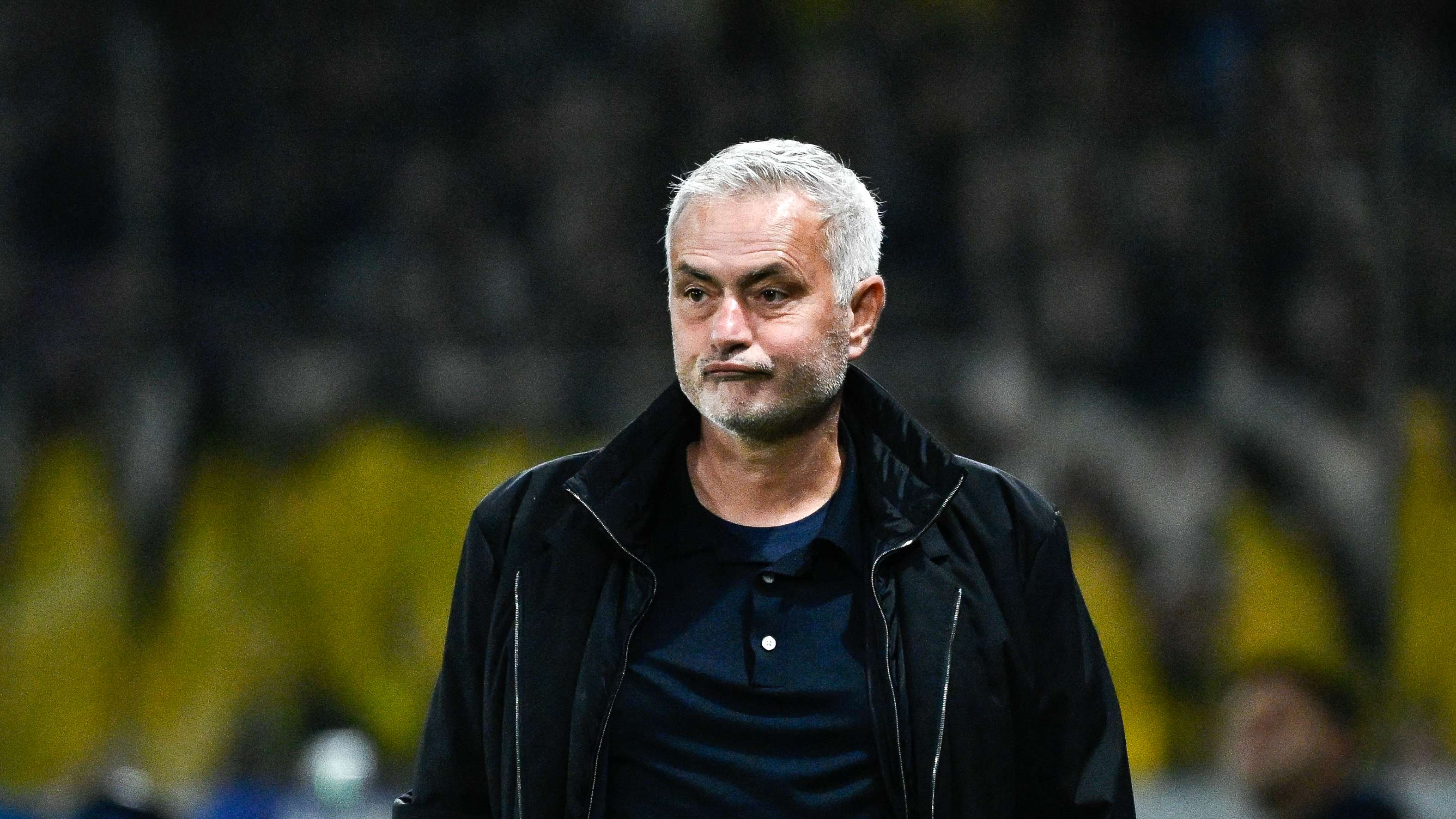
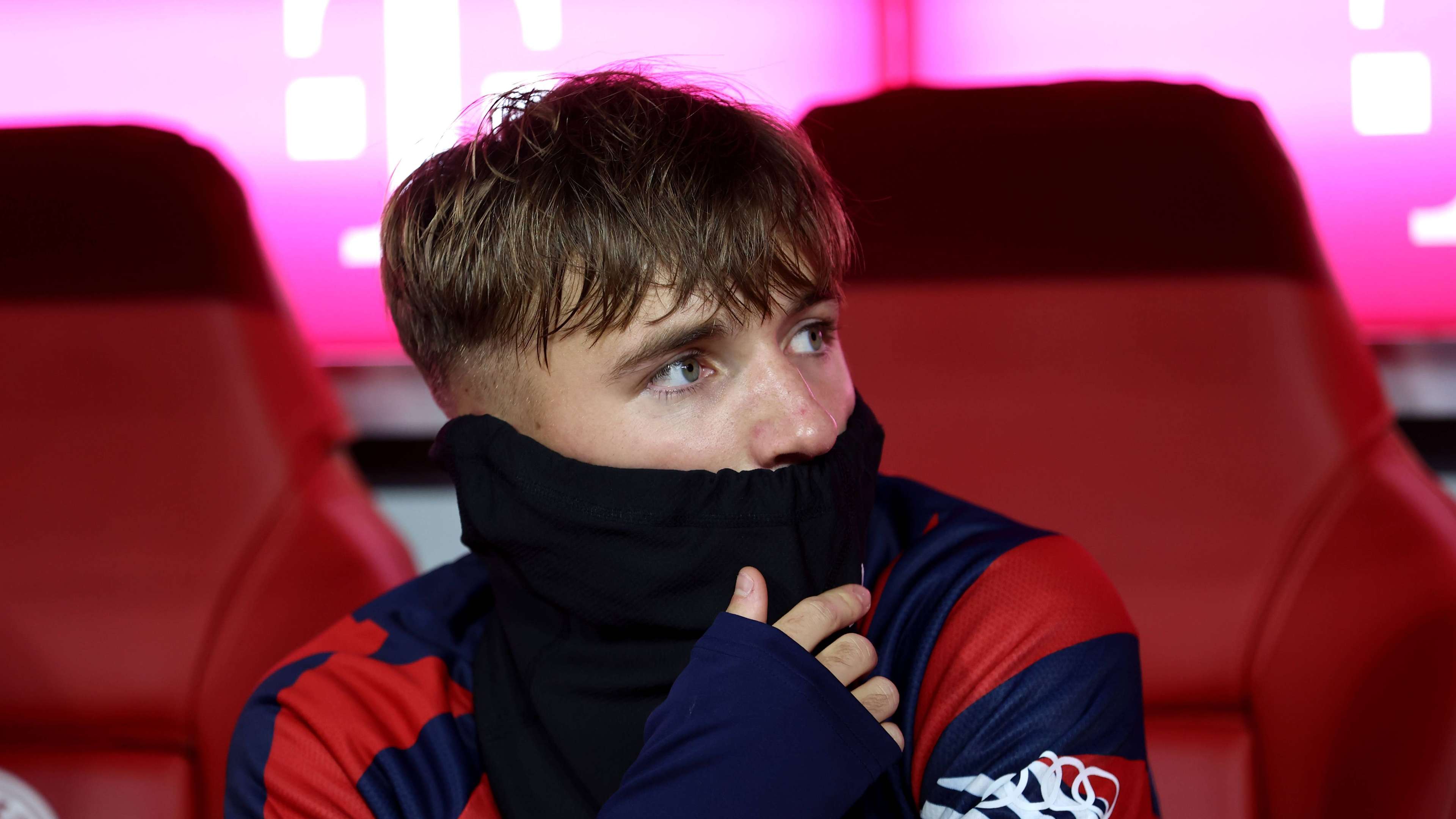
Jan Paul van Hecke says the Netherlands squad has responded well to Xavi’s clear ideas and upbeat approach, describing the mood around the national team as highly positive. The Tottenham Hotspur defender believes the coach’s emphasis on playing out from the back, pressing with purpose and paying attention to detail fits both Dutch football traditions and his own strengths.
Speaking to Ziggo Sport, Van Hecke said Xavi had made a strong impression despite the defender’s limited time with the national team during the previous international break. “There is a lot of positivity under this coach,” he said, pointing to the clarity of Xavi’s instructions and the way those principles are reinforced in team meetings.
Clear instructions are helping the Netherlands find their rhythm
Van Hecke highlighted the importance of having a recognisable plan, particularly at international level, where players have relatively little time to work together. He said Xavi is direct about how he wants the team to build attacks, apply pressure and manage the finer details of a match.
“Every coach has his own ways of doing things, but he is very clear about how he wants to play,” Van Hecke explained. “Playing out from the back, pressing, how he handles the details. You can also tell from the team talks how he does that, how much clarity it provides.”
That structure can be especially valuable for a defender. A team that builds from the back needs defenders who are comfortable receiving the ball under pressure, choosing the right passing option and staying composed when opponents press aggressively. Van Hecke’s confidence in Xavi’s system suggests he sees a close match between the coach’s demands and the qualities he brings to the side.
The Netherlands are also in a strong position in their Nations League group, sitting joint top ahead of a key fixture against Greece. Van Hecke said a victory would represent an important step towards reaching the quarter-finals. The result could give the Dutch a valuable points cushion, while also strengthening belief in a team still developing its understanding of the coach’s methods.
Tottenham’s difficult opening has given way to improved form
Van Hecke’s positive assessment of the Netherlands comes after a challenging start to his life at Tottenham. The defender joined Spurs from Brighton & Hove Albion last summer in a reported €50 million transfer and has since become a regular starter. However, he acknowledged that the team’s early results did not match expectations after an encouraging pre-season.
“Things are going well now, after a difficult start,” Van Hecke said. “Our start was not good enough after a good pre-season. There were reasons for that. We struggled to score and, as a result, won few matches.”
His comments underline how quickly early-season momentum can shift in the Premier League. A team may look sharp in preparation matches, but competitive fixtures bring different pressures: opponents are more organised, chances can be harder to create, and missed opportunities often have an immediate impact on results. For Spurs, a lack of goals made it difficult to turn performances into wins.
Van Hecke also described the challenge of maintaining individual standards when a team is struggling collectively. “It is difficult as a player to perform at your own level individually in that situation,” he said. But the squad eventually confronted the problem together, reminding one another that they had enough quality to improve.
That response matters for a side looking to climb the Premier League table. Tottenham are currently 11th, leaving them with ground to make up if they are to meet their ambitions. Van Hecke’s established role at the club gives him an important platform, but the team’s progress will depend on converting improved play into consistent points.
A defender suited to modern, possession-based football
Van Hecke’s rise at Tottenham reflects the growing value of defenders who can contribute beyond tackling and aerial duels. In modern football, centre-backs are often the first playmakers, expected to help their teams escape pressure and launch attacks with accurate forward passes. They must also be alert to danger when a high defensive line leaves space behind them.
Those responsibilities are closely connected to the approach Van Hecke described under Xavi. Playing out from the back requires patience and coordination, while an aggressive press depends on the whole team moving together. If one player is late, opponents can exploit the gap. Clear coaching, therefore, can help players understand not only their individual roles but how each action affects the rest of the team.
For Van Hecke, that style is a natural fit. He said Xavi’s football “suits Dutch football and my own game,” adding that the details are “very good.” His remarks point to a broader sense of comfort within the national-team setup: players appear to understand the plan, and the coach’s communication is helping turn that plan into shared expectations.
Injury setback did not erase a promising first impression
Van Hecke’s previous international camp was cut short after he withdrew with a foot injury. He had been available for the opening two matches of a possible four-game schedule, but the problem prevented him from continuing. Although the setback limited his involvement, it did not prevent him from forming a favourable view of Xavi’s coaching.
His return to international duty will be important as the Netherlands approach a decisive stage of their Nations League campaign. The defender’s club experience, combined with his growing role at Spurs, could provide useful depth and competition at the back. Staying fit will be essential, particularly with the demands of domestic and international football placing pressure on players’ recovery time.
The upcoming match against Greece offers the Netherlands an opportunity to turn their positive atmosphere into a meaningful result. A win would strengthen their position near the top of the group and bring qualification for the quarter-finals closer. Any prediction, however, should account for the fine margins of international football: one defensive lapse, missed chance or set-piece can reshape a tightly contested game.
For now, Van Hecke’s message is one of confidence rather than complacency. He sees a coach with a clear identity, a squad that believes it has the quality to succeed and a style that suits his own game. If the Netherlands can carry that optimism onto the pitch against Greece, they will have a strong chance to take another important step in the Nations League.