
Luis Figo Criticizes Inflated Transfer Fees Amidst Exciting Real Madrid Signings
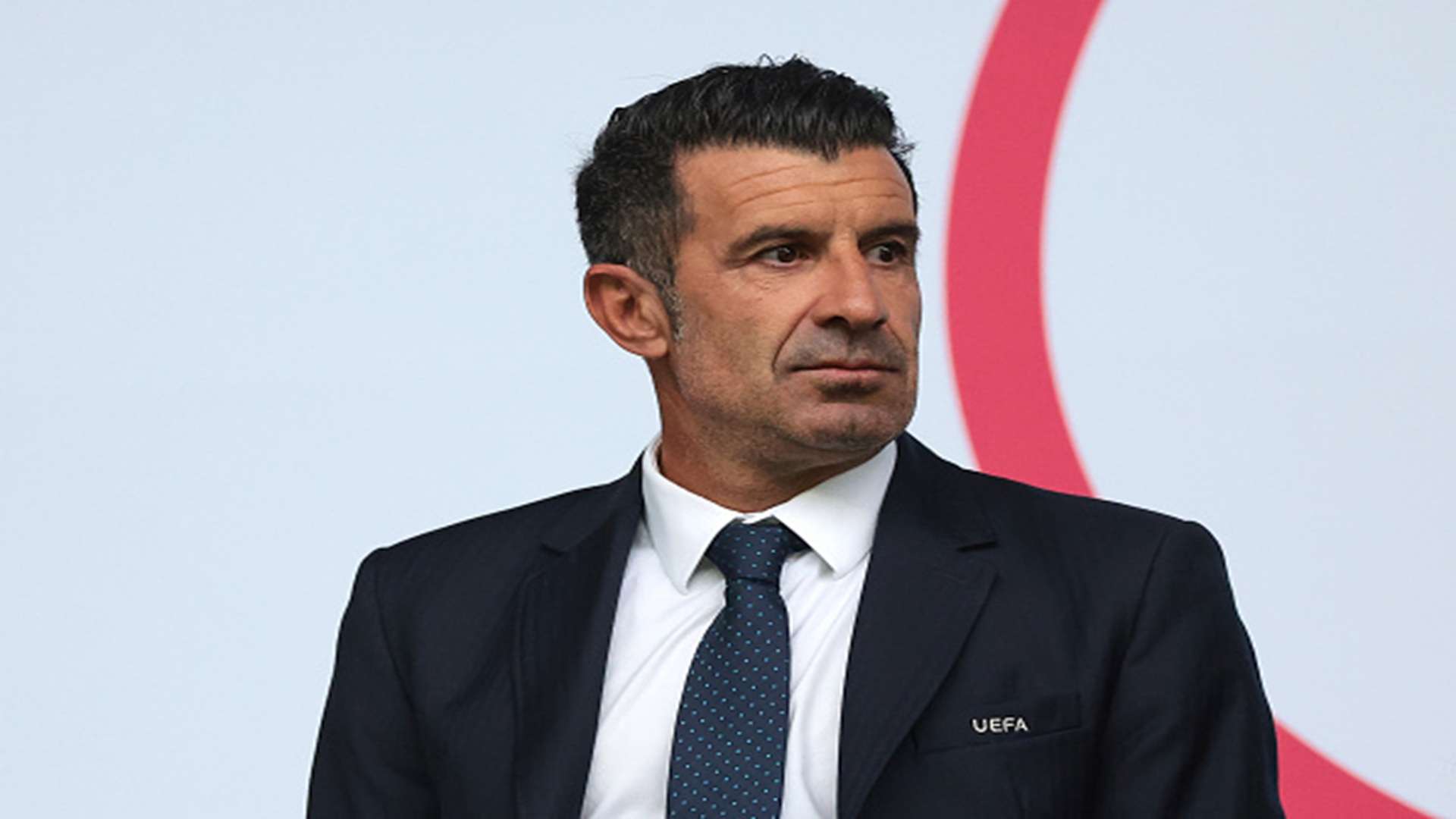
In the dynamic world of football, transfer markets often become a hotbed of speculation, controversy, and financial discussions. Recently, legendary Portuguese midfielder Luis Figo shared his insights on the current state of football transfers, particularly criticizing the soaring prices that have become commonplace in recent years. His comments come at a pivotal time for Real Madrid, a club that has just undertaken a significant squad overhaul after a two-year trophy drought.
Figo’s Perspective on Real Madrid’s Summer Transfer Strategy
During his appearance on the popular podcast “Figosofadas,” Figo expressed a positive outlook on Los Blancos’ recent signings, emphasizing their strategic importance rather than their market value. He stated, “I believe Real Madrid made excellent signings this summer. They targeted players needed in crucial positions—center-back, full-backs, and a winger like Diomande—ensuring the squad’s balance and competitiveness.” This approach, according to Figo, reflects a shift from signing big-name players solely based on their reputation to addressing specific team needs, a strategy that could redefine transfer success in modern football.
Moreover, the former winger highlighted that these acquisitions were driven by necessity rather than star power, indicating a more pragmatic and goal-oriented mindset within the club’s management. He added, “Overall, these signings are excellent because they are driven by the needs of the team. This is an intelligent move that could pay dividends on the pitch.”
Addressing the Post-Trophy Drought and Its Impact on Team Morale
Figo pointed out that the timing of these transfers is crucial. After two trophyless seasons, the squad needed a boost, both in terms of quality and morale. “It was necessary for Real Madrid to take this step and reinforce the team,” he explained. “Strengthening the squad after a period without trophies is vital not only for sporting success but also for uplifting the fans’ spirits. It fosters hope and optimism as the new season approaches.”
This emphasis on strategic reinforcement aligns with Madrid’s long-standing philosophy of maintaining a competitive edge, especially in Europe’s most prestigious tournaments like the Champions League. The club’s recent transfers aim to restore their dominance and rekindle the winning mentality that has defined their recent history.
The Growing Concerns Over Transfer Market Inflation
While lauding Madrid’s strategic signings, Figo voiced concerns about the escalating costs associated with player transfers across European football. “At some point, this trend has to stop,” he warned. “Although clubs’ budgets and Financial Fair Play regulations influence these figures, the current transfer prices are unsustainable and often exaggerated.”
The former star also expressed skepticism about the financial returns of these mega-deals. “A €150 million transfer, for example, cannot simply be recovered through merchandise sales or other revenue streams,” he pointed out. “While such investments may make sense from a sporting perspective, they pose significant financial risks for clubs.”
The Evolution of Transfer Fees: From Figo’s Era to Today
Reflecting on how the transfer market has evolved over nearly three decades, Figo remarked, “Back in my playing days, I thought the sums being paid were already excessive. But the development of football markets has driven the prices into even more insane territory.” His words shed light on the relentless escalation of transfer fees, which now often reach hundreds of millions of euros for just a single player.
This inflation has sparked debate among fans, analysts, and club executives about the sustainability of such spending. Critics argue that the focus on financial might could overshadow the importance of developing talent internally and fostering sustainable club models.
Transfer Prediction and Future Trends
Looking ahead, industry experts and football insiders are making predictions about how the transfer landscape might evolve. Some anticipate a potential cooling-off period, driven by increased financial scrutiny and a shift towards more sustainable spending. Others believe that the allure of winning titles and the prestige associated with high-profile signings will continue to fuel the market’s inflation.
In this context, clubs may start to prioritize data-driven transfer decisions and youth development more than ever before. The emphasis on scouting and analytics could help identify undervalued talents, offering a more cost-effective path to success. However, the allure of blockbuster transfers remains strong, especially for clubs aiming for immediate results.
Implications for Fans and the Broader Football Ecosystem
The transfer prediction landscape is not only about club strategies but also about the broader impact on fans and the football economy. The influx of high-priced transfers often leads to increased ticket prices, merchandise costs, and overall fan engagement expenses. This can widen the gap between wealthy clubs and smaller teams, raising concerns about competitive balance.
Moreover, the focus on astronomical transfer fees may influence how clubs prioritize their long-term development plans. While signing star players can bring immediate success, investing in youth academies and infrastructure might prove more sustainable in the long run.
Conclusion: Balancing Ambition and Financial Prudence
As Luis Figo’s insights highlight, the current transfer market embodies a complex mix of strategic ambition, financial risk, and evolving market dynamics. His critique of inflated transfer fees serves as a reminder that football management should strike a balance between competitive success and financial sustainability.
With Real Madrid’s recent signings demonstrating a focus on need-based recruitment, the club may set a precedent for more measured transfer strategies in the future. Meanwhile, the ongoing prediction of market trends suggests that football stakeholders must remain adaptable, ensuring that the beautiful game remains both competitive and financially viable for generations to come.
Ultimately, the transfer prediction landscape will continue to evolve, influenced by regulatory frameworks, market forces, and the strategic visions of clubs worldwide. Fans, analysts, and insiders alike will be watching closely to see how this balance unfolds in the coming seasons.