
FIFA President Gianni Infantino Faces Mounting Legal and Political Challenges Amid Controversies in Global Football
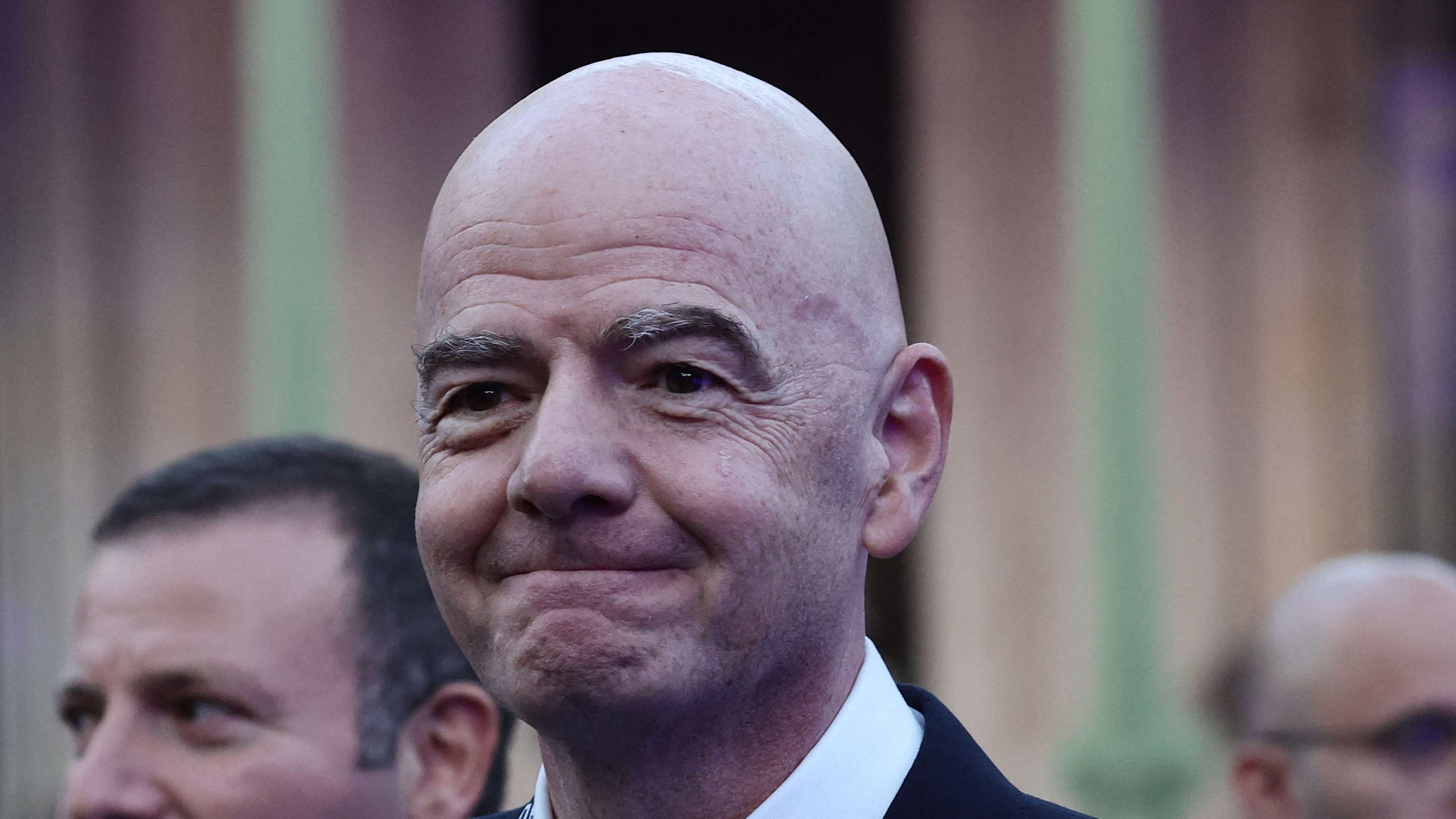
In the dynamic and often turbulent world of international football, few figures have sparked as much debate and controversy as Gianni Infantino, the current president of FIFA. Since assuming leadership, Infantino has navigated a complex landscape of legal battles, political pressures, and organizational upheavals. Most recently, he found himself at the center of a heated controversy surrounding a proposed plan to privatize FIFA’s lucrative tournament rights, particularly for the FIFA World Cup. This move, and the subsequent fallout, has not only reignited questions about governance and transparency within the sport but has also led to significant legal confrontations involving the European Union and other global entities.
Controversial Attempts to Privatize FIFA Tournament Rights and Their Fallout
At the heart of the controversy lies Infantino’s initial proposal to sell a stake in the rights to FIFA tournaments, including the iconic World Cup, to private-sector investors. The idea was ostensibly aimed at generating additional revenue streams for FIFA, potentially increasing financial stability and investment in football development worldwide. However, this plan faced fierce opposition from European regulators, broadcasters, and football associations, who expressed concerns over the implications for the sport’s integrity and the equitable distribution of revenues.
Legal battles with the European Union quickly emerged, with Brussels making it clear that they viewed the plan as a threat to fair competition and transparency. The EU has now filed multiple cases across the United States, aiming to pressure FIFA and Infantino into abandoning the privatization initiative and to uphold anti-trust regulations. These legal proceedings underscore the broader struggle over governance in football and highlight the challenge of balancing commercial interests with the sport’s foundational values of fairness and inclusivity.
FIFA’s Financial and Legal Support for Gianni Infantino
According to reports from “The Athletic,” FIFA has committed to covering the legal costs incurred by Infantino amid these disputes. This move indicates the organization’s strong backing of its president, emphasizing that his actions are undertaken on behalf of FIFA in his official capacity. The support comes at a time when Infantino faces mounting pressure from multiple fronts, including legal proceedings in Switzerland—where criminal investigations are reportedly underway—and political challenges from various continental football confederations.
Moreover, UEFA, the European football governing body, has not shied away from criticizing Infantino’s leadership. The organization has openly questioned his motives and the transparency of FIFA’s governance, further escalating tensions. The situation is complicated by the fact that Infantino’s leadership style and strategic decisions have often been polarizing, with some viewing him as a reformist trying to modernize FIFA, while others see him as entangled in the sport’s darker political machinations.
Divided Support Within Football’s Global Power Structures
The controversies extend beyond legal battles—there is also significant division within football’s global community. The Confederation of North, Central American and Caribbean Association Football (CONCACAF) is notably divided regarding Infantino’s leadership. Some member associations advocate for his continued presidency, citing his efforts to increase the sport’s global reach and financial stability. Others, however, demand a change in leadership, citing concerns over governance and the integrity of decision-making processes.
The Asian Football Confederation (AFC) and other continental bodies are closely watching the developments, with some expressing cautious support and others calling for reforms. This internal discord complicates the political landscape, especially as FIFA prepares for its upcoming elections slated for March in Morocco. Eligible candidates wishing to challenge Infantino have until 18 November to declare their candidacy, setting the stage for a potentially contentious race that could reshape the organization’s future direction.
The Road Ahead: What This Means for the Future of Football and Prediction Markets
The ongoing saga surrounding Gianni Infantino is more than just a legal or political dispute—it has profound implications for the future of global football. The outcome of these battles could influence how FIFA manages its commercial rights, governance structures, and relationships with regional football associations. Moreover, the controversy has ripple effects across the betting and prediction markets for football matches, as stability and transparency are key factors in betting confidence.
Football enthusiasts and bettors alike are keenly watching these developments, as leadership stability often correlates with the predictability of tournament outcomes and the integrity of the sport. For example, predictions regarding upcoming World Cup matches and tournaments are influenced by perceptions of governance and fairness. A stable and transparent FIFA under strong leadership could boost confidence in prediction markets, leading to more accurate and trustworthy forecasts for football fans and bettors worldwide.
Understanding the Broader Context: Football Governance and Its Challenges
This controversy highlights ongoing challenges faced by football’s governing bodies globally. Transparency, fair governance, and equitable distribution of revenues remain at the forefront of debates. The pushback against Infantino’s plans signifies a broader demand from stakeholders for reform and accountability in how the sport is managed at the highest levels.
Furthermore, the legal and political battles underscore the importance of international cooperation and the need for clear regulations to prevent corruption and promote best practices in sports governance. As the sport continues to grow commercially, maintaining integrity and public trust becomes increasingly vital—both for the future of football and for the prediction markets that rely on the sport’s stability and consistency.
Conclusion: The Future of FIFA Leadership and Its Impact on Football Prediction Markets
As Gianni Infantino navigates these turbulent waters, the global football community awaits the outcome of the legal proceedings, political debates, and upcoming elections. The decisions made in the coming months will shape the landscape of international football for years to come, influencing everything from tournament organization and revenue sharing to betting and prediction markets.
For fans, bettors, and industry insiders, understanding these developments is crucial. The stability and transparency of FIFA’s leadership directly impact the reliability of football predictions, especially for major tournaments like the World Cup. As the sport evolves amid these challenges, one thing remains clear: the future of football governance will be pivotal in defining the sport’s integrity, financial health, and global appeal.