
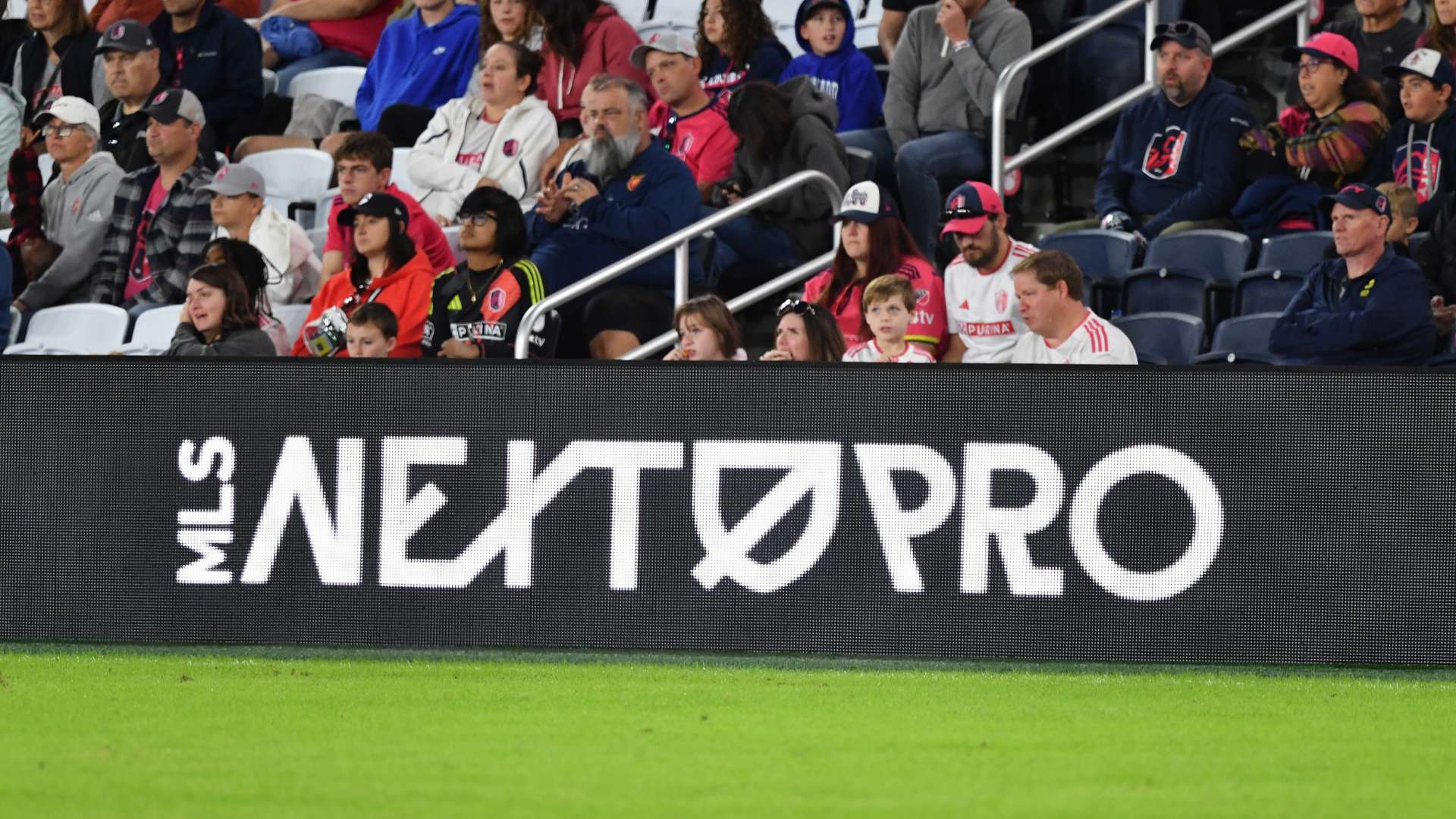

NYCFC Announces Exciting Relocation and Rebranding of MLS Next Pro Team to Middlesex County, New Jersey
In a strategic move that signals the evolving landscape of American football development, New York City FC (NYCFC) has unveiled plans to relocate and rebrand its MLS Next Pro affiliate team to Middlesex County, New Jersey. This development not only highlights the club’s commitment to nurturing young talent but also underscores the innovative initiatives shaping the future of soccer in the United States. The announcement has sparked widespread interest among football enthusiasts, sports analysts, and betting communities, especially those invested in predictions related to team performances and league outcomes.
Understanding the Significance of the Move
NYCFC’s decision to shift its MLS Next Pro team to Middlesex County marks a notable milestone in the club’s strategic expansion efforts. Historically, NYCFC has been a prominent player in Major League Soccer, drawing significant attention from fans and pundits alike. However, this move signifies a deeper investment in developing a robust pipeline of young talent, which is crucial for long-term success in competitive football.
The relocated team will operate under a new, yet-to-be-finalized name, currently referred to as “New Jersey MLS Next Pro.” This temporary designation underscores the transitional phase before the team adopts a permanent identity aligned with its new community roots. The move is also a pioneering step in the league’s broader Hometown Soccer Holdings initiative, which aims to decentralize the sport’s growth and foster local engagement by establishing feeder clubs in diverse markets.
The Hometown Soccer Holdings Initiative: A Game-Changer for American Football Development
Launched as part of MLS Next Pro’s strategic vision, the Hometown Soccer Holdings initiative represents a bold effort to expand the footprint of professional football across the United States. Under this program, MLS-affiliated teams are encouraged to relocate to markets that offer fertile ground for youth development, community involvement, and fan engagement. The initiative seeks to bridge the gap between local grassroots soccer and professional leagues, creating a more integrated and sustainable football ecosystem.
By positioning a team in Middlesex County—a region with a burgeoning soccer culture and strategic proximity to New York City—MLS aims to tap into a rich talent pool and cultivate a dedicated local fanbase. For fans and bettors alike, this move opens new avenues for prediction models, betting predictions, and analysis, as teams in new markets often undergo transitional phases that influence their performance trajectories.
Implications for Football Development and Community Engagement
The relocation underscores a broader trend within MLS and American football: the emphasis on community-centric development. Establishing a team in Middlesex County allows for closer interaction with local youth academies, schools, and soccer programs, thereby fostering a nurturing environment for aspiring footballers. This localized approach is expected to enhance talent scouting and development, ultimately benefiting MLS teams at the highest level.
Moreover, the move is likely to galvanize local support, with community-based initiatives, youth clinics, and grassroots tournaments becoming integral parts of the team’s identity in its new home. Such engagement not only elevates the sport’s profile but also generates valuable data for prediction models related to team performance and match outcomes in upcoming seasons.
What This Means for Football Fans and Prediction Enthusiasts
For football fans and prediction enthusiasts, the relocation of NYCFC’s MLS Next Pro team presents an intriguing development. As teams adapt to new environments, fluctuations in performance are common, making predictions more complex yet more exciting. Betting communities will be closely watching how the team’s integration into Middlesex County influences their results in upcoming matches.
Historically, new team setups and relocations often lead to a period of adjustment, with results influenced by factors such as player recruitment, coaching strategies, and local support. This creates fresh opportunities for accurate prediction models, particularly in predicting match winners, goal totals, and league standings. As the team settles into its new environment, analysts will be keenly observing trends to refine their football prediction algorithms.
Looking Ahead: The Future of Football in Middlesex County and Beyond
The relocation of NYCFC’s MLS Next Pro team is more than just a logistical move; it symbolizes the dynamic evolution of football in North America. As the sport continues to grow in popularity, initiatives like Hometown Soccer Holdings are vital in creating sustainable pathways for talent development and fan engagement. The Middlesex County move is expected to serve as a model for other clubs contemplating similar strategic relocations to foster local soccer cultures.
For the local community, this transition offers a unique chance to witness high-level football firsthand, participate in community events, and support the development of future stars. For prediction experts, it provides a fresh set of variables to analyze, from team form and player performance to community support levels—all of which influence match outcomes and league predictions.
Conclusion: A New Chapter for American Football Development
NYCFC’s decision to relocate and rebrand its MLS Next Pro team in Middlesex County exemplifies the innovative spirit driving American football’s expansion. By participating in the MLS Next Pro’s Hometown Soccer Holdings initiative, the club is reinforcing its commitment to developing local talent, engaging communities, and creating new opportunities for fans and prediction enthusiasts alike.
As this new chapter unfolds, all eyes will be on how the team adapts to its new environment, how its performances evolve, and how prediction models can leverage this transition to provide more accurate forecasts. The move not only enriches the football landscape in the Northeast but also sets a precedent for strategic growth and community integration across the league.