
Saudi Pro League Fixture Changes Create Award-Season Dilemma for Clubs
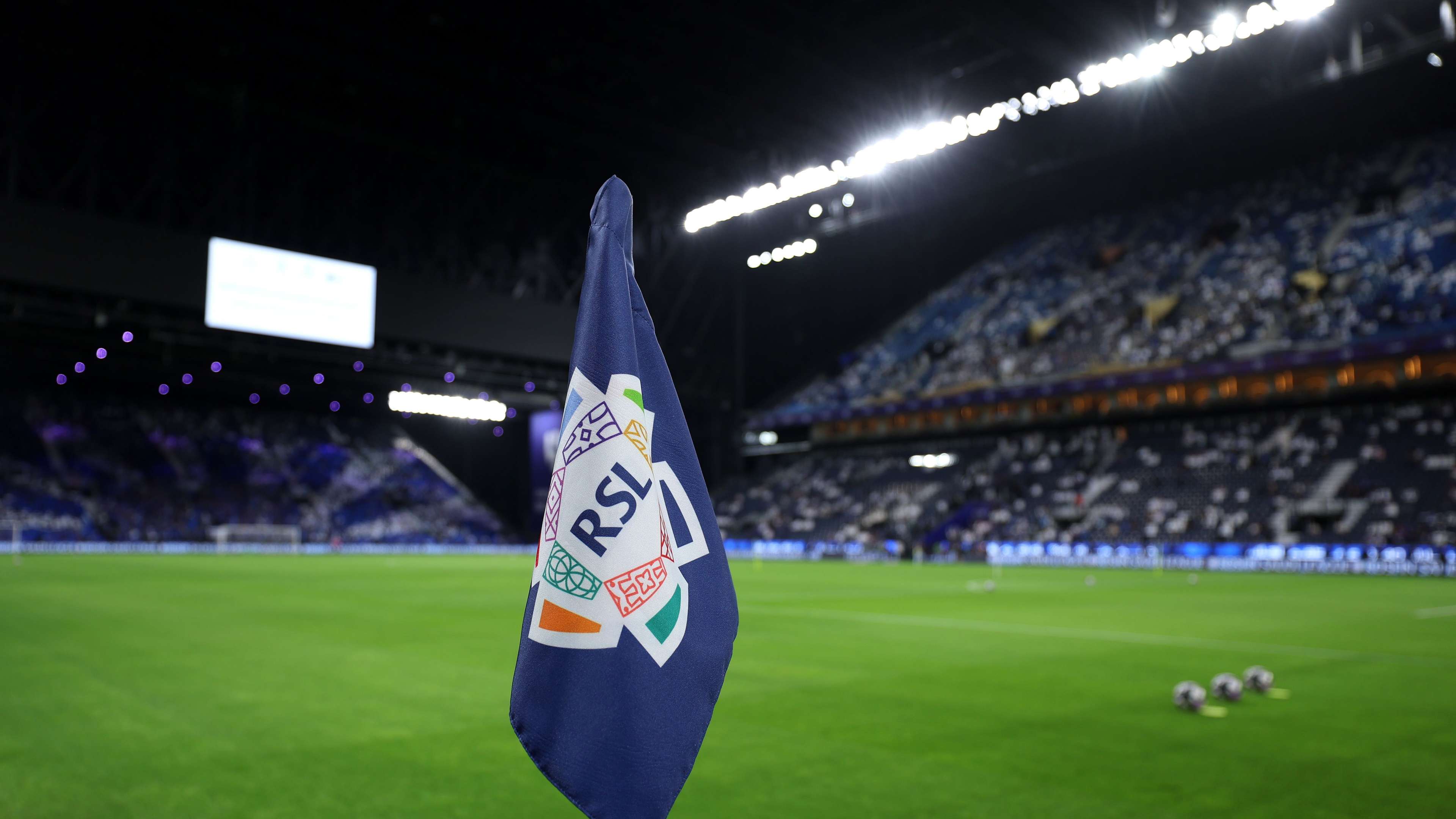
Saudi Roshn League clubs are facing a scheduling challenge as major continental football awards collide with important domestic fixtures. With the Asian and African player-of-the-year ceremonies taking place within a few weeks of each other, several high-profile players could be forced to balance international recognition against their teams’ league commitments.
The issue has emerged after the Roshn League published an updated fixture schedule through the end of the season. The revision follows the decision to move the 2027 AFC Asian Cup from January to December next year, prompting adjustments to the domestic calendar. While the new programme gives clubs a clearer view of the months ahead, it also places several significant matches close to award ceremonies attended by leading league stars.
Al-Ahli and Al-Nassr face a tight turnaround
One of the most prominent fixtures affected by the revised schedule is the delayed Clasico between Al-Ahli and Al-Nassr. Originally part of the ninth round, the match is now set for 20 November at Al-Inmaa Stadium in Jeddah. The meeting is expected to draw considerable attention, with both clubs competing for crucial points and keen to establish momentum in the league.
However, the timing creates a potential problem for players invited to the Asian Football Confederation’s annual awards ceremony. The event is scheduled for 19 November in Kuala Lumpur, Malaysia—just one day before the Clasico. Al-Hilal captain Salem Al-Dawsari and Al-Ahli forward Firas Al-Buraikan are among the candidates for the Asian player-of-the-year honour.
For Al-Buraikan, the nomination brings an especially difficult decision. Winning the award would be a career milestone, recognising his performances at club and international level. Yet travelling to Kuala Lumpur and attending the ceremony could leave little time to return to Jeddah, recover and prepare for Al-Ahli’s match against Al-Nassr. Even if he makes the trip, the short turnaround may affect his availability or readiness.
The situation illustrates a growing challenge for clubs competing in increasingly crowded calendars. Award ceremonies are valuable occasions for players and their teams, offering recognition and international visibility. But when they are scheduled immediately before high-stakes league fixtures, clubs must consider travel, rest and match preparation—not just whether a player can physically make both events.
African awards bring another scheduling conflict
A second clash is looming in early December, when the African player-of-the-year ceremony is due to take place in Lagos, Nigeria. The event has been moved forward to 2 December from its previously planned date of 7 December, bringing it closer to a busy round of Roshn League matches.
Several prominent Saudi-based footballers are expected to be involved. Senegal forward Sadio Mané, who plays for Al-Nassr, is among the notable names, alongside Moroccan goalkeeper Yassine Bounou of Al-Hilal and Senegal goalkeeper Edouard Mendy of Al-Ahli. Their possible attendance would give the ceremony a strong Roshn League presence, but it could also complicate preparations for their clubs.
Bounou appears to face the tightest schedule. Al-Hilal are due to meet Al-Diriyah in a much-anticipated derby on 3 December, the day after the ceremony. The goalkeeper would have to travel from Lagos to Saudi Arabia and quickly rejoin his team ahead of a match that could carry major significance in the title race and local rivalry.
Al-Nassr and Al-Ahli also have important fixtures shortly after the awards. Two days after the ceremony, Mané’s Al-Nassr are scheduled to face Al-Qadsiah in an appealing contest, while Mendy’s Al-Ahli are set to play Al-Faisaly in the same round. As a result, the potential impact extends beyond one club or one player: several teams may need to assess whether their nominees can attend the ceremony without compromising their league plans.
Travel, recovery and squad depth could shape decisions
The dilemma is not simply a matter of choosing between an award and a match. International travel across continents can involve long journeys, time-zone changes and limited recovery windows. Goalkeepers and outfield players may experience those demands differently, but both require adequate preparation before returning to competitive action. Clubs will also have to consider training schedules, medical guidance and the risk of fatigue or injury.
Squad depth may therefore become a deciding factor. Teams with experienced alternatives could be more comfortable allowing a nominee to attend, while sides that rely heavily on a particular star may prefer the player to remain with the squad. Coaches will need to weigh the symbolic importance of a major individual award against immediate sporting priorities, especially if the upcoming fixture is a derby or a direct contest between league rivals.
There may also be practical solutions. Clubs and organisers could coordinate travel plans, provide early confirmation of player availability or adjust media and attendance commitments where possible. However, any change to a match date would need to account for broadcasting arrangements, stadium availability and the wider league calendar. With fixtures already revised following the Asian Cup change, further movement may be difficult.
Prediction: clubs may prioritise match readiness
Any prediction about which players will attend—or how much they will feature in the following matches—remains uncertain. The final decision is likely to depend on individual travel arrangements, each club’s medical assessment and the importance of the fixture in the league standings. Players may be able to attend and return in time, but a tight schedule could still lead coaches to limit their minutes or make late selection decisions.
For supporters, the overlapping dates add an unexpected subplot to the Roshn League season. The awards could celebrate the achievements of players who have helped raise the competition’s profile, while the fixtures will test how effectively their clubs can manage a crowded calendar. Al-Ahli, Al-Nassr and Al-Hilal all have reasons to hope their nominees receive recognition—but they will also want those stars ready when the next major football contest begins.
Ultimately, the scheduling conflict highlights the demands placed on modern players, whose seasons increasingly combine domestic competition, international duty and individual honours. The coming weeks will show whether the nominees can pursue continental awards and return promptly, or whether the clubs must make difficult choices to protect their league ambitions.