
Unveiling the Talents of Bayern Munich’s Future: Hermann Gerland Praises Youngster Lennart Karl and Reveals Untold Stories of Erling Haaland’s Missed Opportunity
In the ever-evolving world of football, talent development remains at the heart of top clubs’ strategies. Bayern Munich, renowned for its rich history and success, has long been a breeding ground for future stars. Recently, the club’s former head of youth development, Hermann Gerland, 72, has spotlighted one of the most promising young talents in German football today—Lennart Karl. His glowing endorsement not only highlights Karl’s exceptional potential but also opens a window into the club’s strategic decisions, including the intriguing story of why Bayern Munich once decided against signing the now-phenomenal Erling Haaland.
Lennart Karl: A Rising Star with a Bright Future in Football
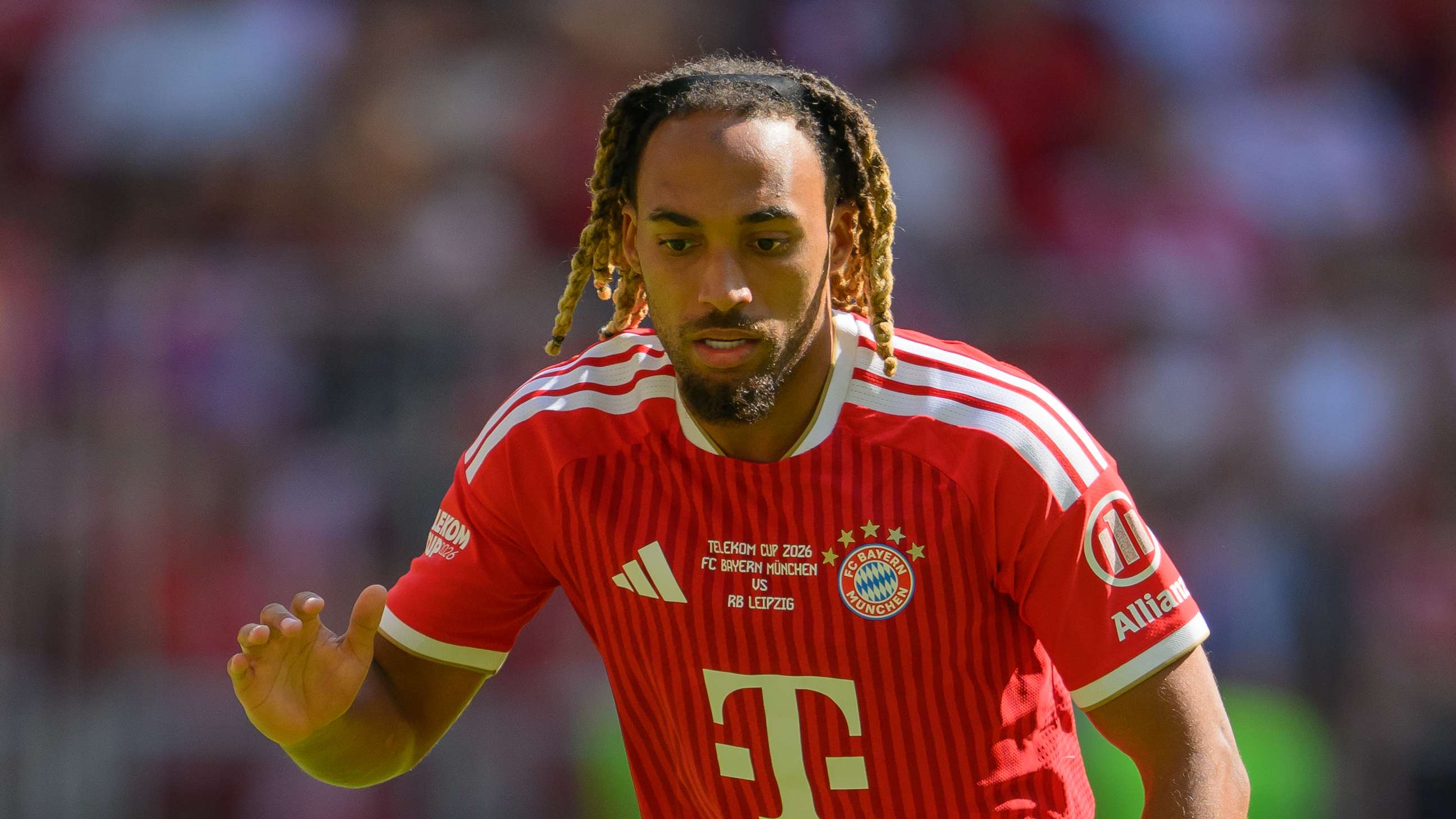
Born in 2005, Lennart Karl has rapidly ascended the ranks of football excellence. His journey began in the youth setups of prominent clubs, including Bundesliga rivals Eintracht Frankfurt, where his talent was quickly recognized. In 2022, Karl made a pivotal move from Viktoria Aschaffenburg to Bayern Munich’s prestigious academy—a step that marked his transition from promising youth player to serious contender for professional success.
His debut in Bayern’s senior squad came in the 2025/26 season under the guidance of Vincent Kompany, the club’s current manager. Demonstrating maturity beyond his years, Karl has already earned international recognition, donning the German national team jersey at just 18 years old. His rapid rise has captivated fans and pundits alike, sparking widespread debate about his future impact on football and predictions about his trajectory in the sport.
Hermann Gerland’s Endorsement: Seeing the Potential
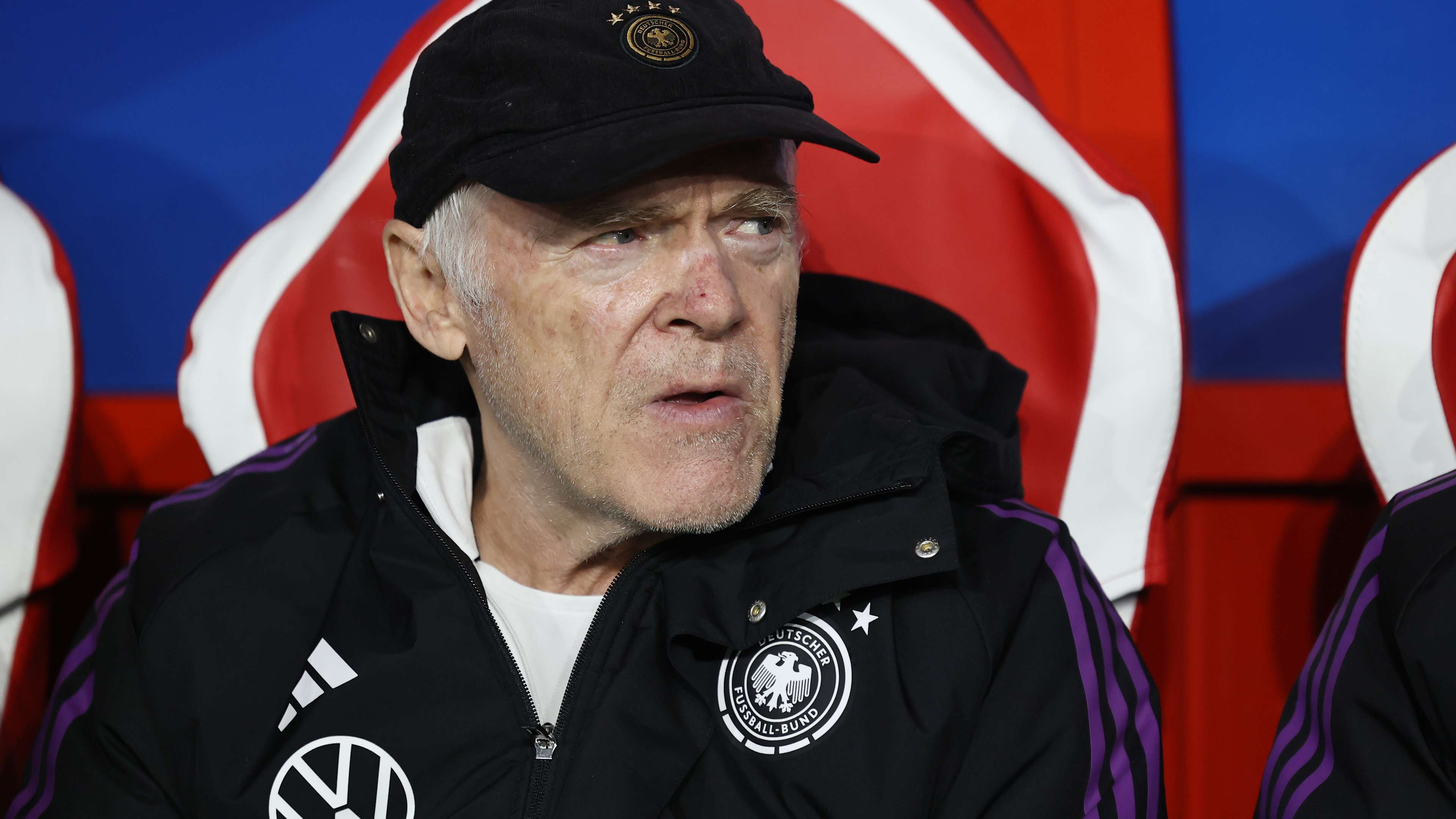
Hermann Gerland’s assessment of Lennart Karl isn’t just positive; it’s a ringing endorsement grounded in extensive observation. The veteran coach shared his insights exclusively with Abendzeitung, revealing his method of scouting and his confidence in Karl’s potential:
“I watched the boy play ten times, and ten times he was the best player on the pitch,” Gerland stated. “If I only see a player once, I need to wait and see. But watching a young player with this talent ten times confirms to me that he is going to become something special.”
This level of conviction echoes Gerland’s previous experience with other top talents, most notably Erling Haaland, the prolific Norwegian striker now turning heads at Manchester City. Gerland’s comparison underscores the immense belief he has in Karl’s future, hinting at a potential star who could dominate football in the coming years.
The Untold Story of Bayern Munich’s Missed Opportunity with Erling Haaland
While Gerland’s praise for Lennart Karl is well-deserved, it also shines a light on Bayern Munich’s strategic decisions made in the past—particularly regarding one of the most talked-about transfers in recent football history: Erling Haaland. The Norwegian sensation, now a goal-scoring machine at Manchester City, was once on Bayern’s radar, but a combination of factors prevented the club from signing him at a young age.
Gerland’s Personal Recollection of Haaland’s Early Days
Gerland fondly recalls the early days when he first saw Haaland during a youth match between Norway and Germany. His impression was immediate and profound:
“I was watching him with the Norway youth national team when they played against Germany, and I thought to myself: ‘Who is this guy?’”
The coach’s instinct was clear—Haaland possessed a rare talent that could transform into something extraordinary. Recognizing this potential, Gerland immediately contacted Bayern Munich’s management with a compelling recommendation:
“I called Bayern and said: ‘We have to sign him.’“
The Challenges and Strategic Decisions
At the time, Haaland was playing for Molde FK, a Norwegian club, and his value was still relatively modest. The transfer fee was expected to be manageable, and the young striker was willing to accept a modest salary—between €10,000 and €15,000 gross per month. However, Bayern Munich hesitated, primarily due to squad depth concerns and the club’s existing attacking options.
Gerland explained:
“Some said, ‘We have Thomas Müller and Robert Lewandowski up front. Where is he supposed to play?’”
This cautious approach was understandable, given Bayern’s star-studded lineup and the intense competition for places. As a result, Haaland was eventually signed by Red Bull Salzburg, where he continued to develop spectacularly. His subsequent transfers to Borussia Dortmund and then Manchester City for a record €60 million have only cemented his reputation as one of the most lethal goal scorers in world football.
Prediction and Future Outlook: The Impact of Young Talents on Football
In the realm of football prediction, the emergence of young players like Lennart Karl signifies a shift towards a more dynamic, unpredictable future. Talent scouts and football enthusiasts are increasingly watching not just the present but the potential of youth prospects who could redefine the sport in the next decade.
Assessing Karl’s Potential in Football Prediction Models
Based on Gerland’s observations and the current trajectory of Karl’s career, many analysts foresee a bright future. His technical skills, tactical intelligence, and mental maturity position him as a player capable of handling the pressures of top-flight football. Football prediction models, which incorporate factors such as youth development, playing style, and adaptability, suggest that Karl could become a key figure in Germany’s national team and a sought-after asset for elite clubs worldwide.
The Significance of Early Talent Identification
The stories of Haaland and Karl underscore the importance of early talent identification in football prediction. Clubs that recognize potential early and invest in youth development often reap long-term benefits, both on and off the pitch. Bayern Munich’s strategic decisions reflect a cautious but sometimes missed opportunity—one that might have changed the landscape of European football had they acted sooner.
Conclusion: A New Era of Talent and Strategic Thinking in Football
As Bayern Munich continues to nurture talents like Lennart Karl, and as football prediction tools become more sophisticated, the game’s future looks promising and unpredictable. Gerland’s insights remind us that behind every star is a story of keen observation, strategic decision-making, and sometimes, missed opportunities that shape football history.
In the end, the football prediction landscape is constantly evolving, just like the sport itself. Young talents such as Karl will likely play pivotal roles in defining the next chapter of football excellence, while the stories of players like Haaland serve as lessons and inspiration for clubs worldwide. One thing remains certain: the journey from promising youth to football legend is as thrilling as ever.