
The French Fenerbahce Midfielder Speaks Out After Controversial Gesture Sparks Brawl
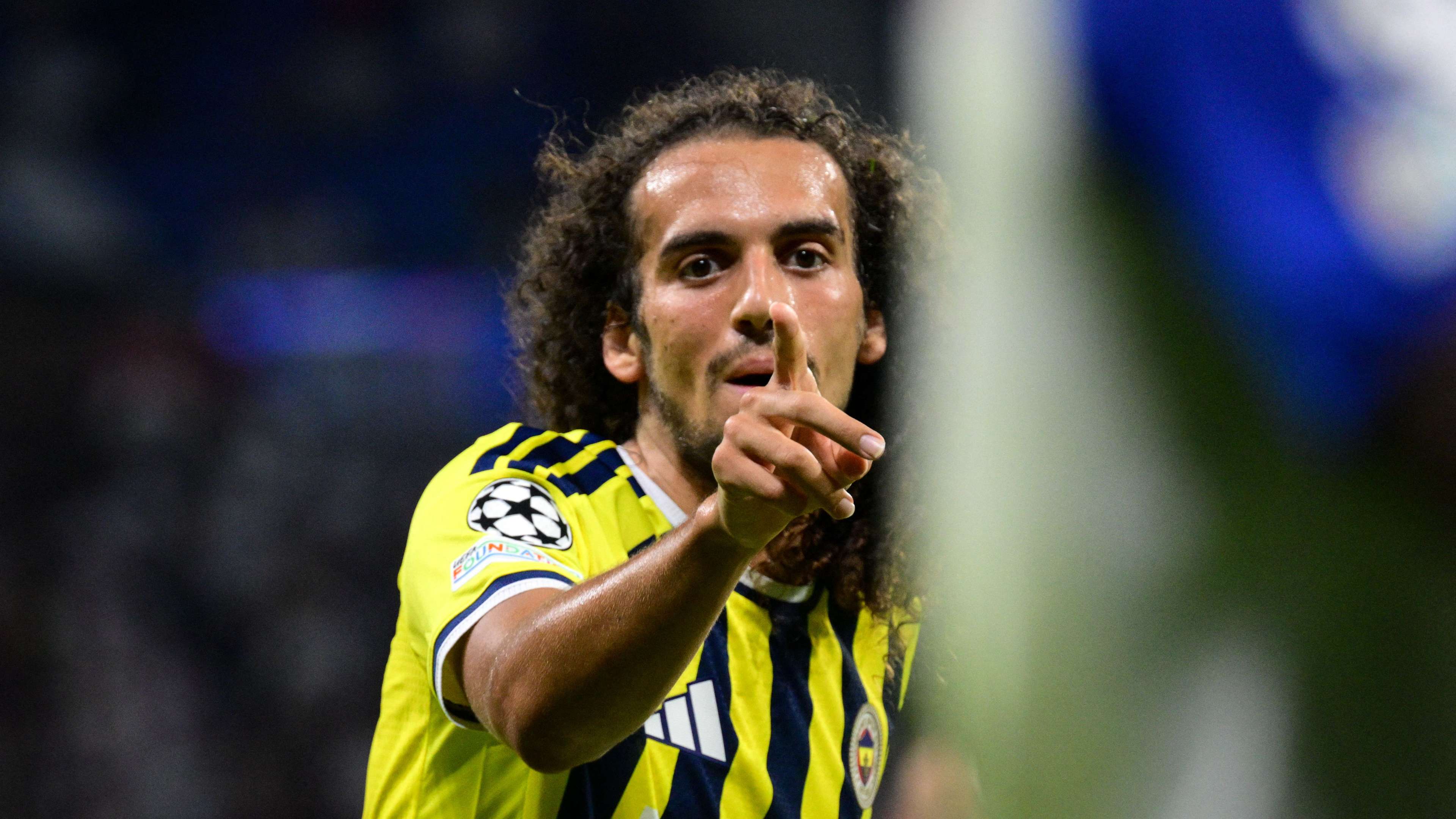
After a heated match between Lyon and Fenerbahce, French midfielder Matteo Guendouzi found himself in the spotlight for a gesture that ignited a brawl on the pitch. The incident occurred during the aftermath of the match, where tensions were running high between the two teams.
According to a report by RMC Sport, Guendouzi explained his reasons for the controversial gesture, shedding light on the intense emotions that led to the altercation. The midfielder revealed that he was provoked by the actions of Lyon fans, who reportedly hurled insults at him and his family throughout the match.
Standing Up Against Abuse
Guendouzi expressed his frustration at the lack of intervention from stadium authorities, stating, “When 60,000 people insult your family, your mother, your children even before the match and no one in the stadium tells them to be quiet. If you want to provoke, it works both ways.”
The midfielder’s actions were a response to the verbal abuse he endured from the opposing fans, highlighting the impact that such behavior can have on players both on and off the field. Guendouzi’s gesture was not only a form of retaliation but also a statement against the culture of abuse and disrespect that can plague football matches.
Celebrating Freedom of Expression
In his explanation, Guendouzi emphasized the importance of being able to express oneself freely on the field. He referenced a specific gesture, the “JUL sign,” that he was unable to make due to the circumstances of the match. Guendouzi questioned the limitations placed on players in celebrating their achievements and identity, asking, “If you cannot celebrate as you want to. If you cannot make the JUL sign, where are we going!”
The midfielder’s words highlight the complexities of being a professional footballer, where personal expression is sometimes restricted by external factors such as fan behavior and societal expectations. Guendouzi’s stance on the issue brings attention to the need for respect and tolerance in the world of football, where players should be able to perform without fear of abuse or censorship.
A Call for Change
Guendouzi’s outspoken response to the incident has sparked discussions about the treatment of players by fans and the responsibilities of stadium officials in ensuring a safe and respectful environment for all. The midfielder’s willingness to address the issue head-on demonstrates his commitment to standing up against abuse and discrimination in football.
As the football community reflects on this incident, Guendouzi’s words serve as a reminder of the importance of promoting a culture of inclusivity and respect within the sport. The French midfielder’s gesture may have sparked a brawl, but it has also ignited a conversation about the rights and freedoms of players on and off the pitch.
The Impact of Verbal Abuse on Players
Verbal abuse in football matches is not a new phenomenon, but its effects on players can be significant. The case of Matteo Guendouzi sheds light on the emotional toll that constant insults and derogatory comments from fans can have on athletes. While professional footballers are trained to withstand pressure on the field, personal attacks targeting their families can be particularly distressing. Guendouzi’s response to the abuse he faced highlights the need for greater protection of players from such harmful behavior.
Players, like Guendouzi, are not just athletes but individuals with feelings and emotions. The psychological impact of enduring abuse from spectators can affect their performance and mental well-being. Addressing this issue requires a collective effort from clubs, football associations, and fans to create a safe and supportive environment for all players, regardless of the team they represent.
The Role of Stadium Authorities in Ensuring Player Safety
Guendouzi’s criticism of the lack of intervention by stadium authorities raises questions about the responsibilities of officials in maintaining order during matches. Ensuring the safety and well-being of players should be a priority, and steps must be taken to prevent situations where athletes feel threatened or provoked by fans. Stadium security measures, crowd control strategies, and mechanisms for reporting abusive behavior are essential in fostering a positive and respectful atmosphere in football stadiums.
By holding stadium authorities accountable for their actions, players like Guendouzi are advocating for a more proactive approach to addressing misconduct and ensuring that players can focus on their performance without distractions or harassment from the crowd.
Promoting Diversity and Inclusivity in Football
Guendouzi’s call for the freedom of expression on the field extends beyond individual gestures to encompass a broader conversation about diversity and inclusivity in football. Players should be able to celebrate their culture, identity, and achievements without fear of backlash or discrimination. Embracing diversity enriches the sport and fosters a sense of belonging for players from diverse backgrounds.
As football continues to evolve, it is essential to create an environment where players are empowered to express themselves authentically and where differences are celebrated rather than criticized. Guendouzi’s advocacy for change serves as a reminder of the importance of promoting respect, tolerance, and understanding in football, both on and off the pitch.
Conclusion
Matteo Guendouzi’s stance against verbal abuse and his plea for freedom of expression in football have sparked a crucial dialogue within the sports community. His actions have highlighted the challenges that players face when confronted with hostility from fans and the need for a more inclusive and supportive environment in football stadiums. By speaking out against abuse and discrimination, Guendouzi has taken a stand for the rights and dignity of all players, setting a precedent for change and promoting a culture of respect and unity in the world of football.