
New Zealand Rotate Fast Bowlers After India Take 2-0 T20I Lead
New Zealand will reshuffle their pace attack for the remainder of the T20I series against India, with workload management and player fitness taking priority after a demanding run of international cricket. The changes follow the hosts’ narrow defeat in the second match in Christchurch, which left them trailing 2-0 and needing a strong response in the third T20I in Wellington.
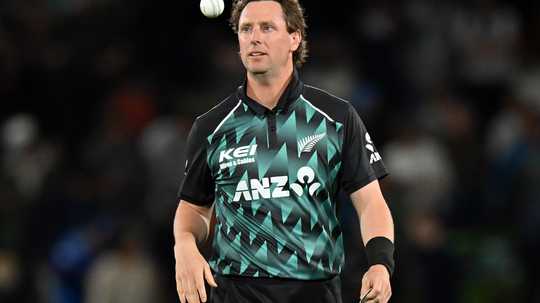
The most notable change is the loss of Matt Henry for the rest of the T20I series. Henry bowled just two overs in Saturday’s match before leaving the field with a tight calf, an issue captain Mitchell Santner described after the game. Rather than risk aggravating the problem, New Zealand will keep the fast bowler in Christchurch, where he can continue his recovery before joining the ODI squad in Auckland on November 2.
The first of five one-day internationals is scheduled for November 4, giving Henry a short window to prepare for the next leg of the tour. His availability will be important as New Zealand move from the quick pace of T20 cricket to the longer demands of 50-over matches.
Ferguson and Jamieson also set for changes
Lockie Ferguson will miss the third T20I in Wellington after leaving the field during the Christchurch match as a precaution. The fast bowler is expected to return for the final two games, which will be played in Auckland and Hamilton. New Zealand will be hoping the break helps Ferguson stay fit for a busy schedule that extends well beyond the current series.
Kyle Jamieson, who has yet to play in the T20I series, will also follow a different plan. He is set to remain in Wellington after the third match and represent Canterbury in a Ford Trophy fixture at Basin Reserve. That commitment means he will miss the final two T20Is, but he is expected to rejoin the national side for the ODI series.
The changes reflect a broader balancing act for New Zealand’s selectors and coaching staff. Fast bowlers face particularly heavy physical demands, and managing their workloads can be crucial when international fixtures are packed closely together. A planned rest or a spell in domestic cricket may help players maintain rhythm without exposing them to unnecessary injury risk.
Tickner, Clarkson and Fisher added to the group
Blair Tickner will join the squad for the final three T20Is, while Josh Clarkson is due to link up with the team for the last two matches. Both were already named as replacements in New Zealand’s original 16-player squad after Zak Foulkes and Mark Chapman were ruled out through injury.
Matt Fisher will travel with the team to Wellington as additional cover for the third T20I. His inclusion gives New Zealand another pace option as they prepare to face an India side that has taken control of the series. The team can also draw on Jacob Duffy, Nathan Smith and Adam Milne, giving the selectors several possible combinations as they decide how best to approach the remaining fixtures.
Head coach Rob Walter said the depth available to New Zealand had helped make the rotation plan possible. He noted that the squad could call on different players to manage the fast bowlers’ workloads while keeping the group prepared for the cricket still to come.
That depth will be tested in Wellington, where New Zealand must find a way to slow India’s momentum. With the series already at 2-0, the hosts have little room for error if they are to keep the T20I contest alive. A fresh bowling attack could bring renewed energy, although changes also mean the team must quickly establish clear roles and build partnerships between bowlers.
India series forms part of a demanding schedule
The T20Is are only the opening stage of a lengthy programme. After the five-match ODI series, New Zealand will face India in a two-Test series following a short turnaround. The team will then travel to Australia for a four-Test tour, creating a sustained stretch of high-intensity cricket across formats.
That calendar helps explain why New Zealand are taking a cautious approach with their pace resources. Preserving key bowlers for the full schedule may matter more than asking them to play every T20I, particularly when a player has reported tightness or has already been forced off the field. The challenge is to manage fitness without losing competitiveness in the series currently underway.
For fans following the contest, the bowling changes add another layer to the cricket prediction discussion ahead of the third T20I. India enter with a clear advantage after winning the first two games, while New Zealand will hope that fresh personnel and home conditions can help them respond. The outcome may depend on how effectively the new-look attack handles India’s batting depth and whether New Zealand’s top order can provide enough support.
While the immediate focus is on Wellington, the decisions also point to New Zealand’s longer-term priorities. Henry’s recovery, Ferguson’s return and Jamieson’s transition into the ODI group will all be watched closely as the tour moves between formats. With several players available to step in, the management team has options—but it must use them carefully to keep the squad fit, competitive and ready for the demanding months ahead.