
Cristiano Ronaldo’s Portugal Retirement: Why the Timing Caught the Coach Off Guard
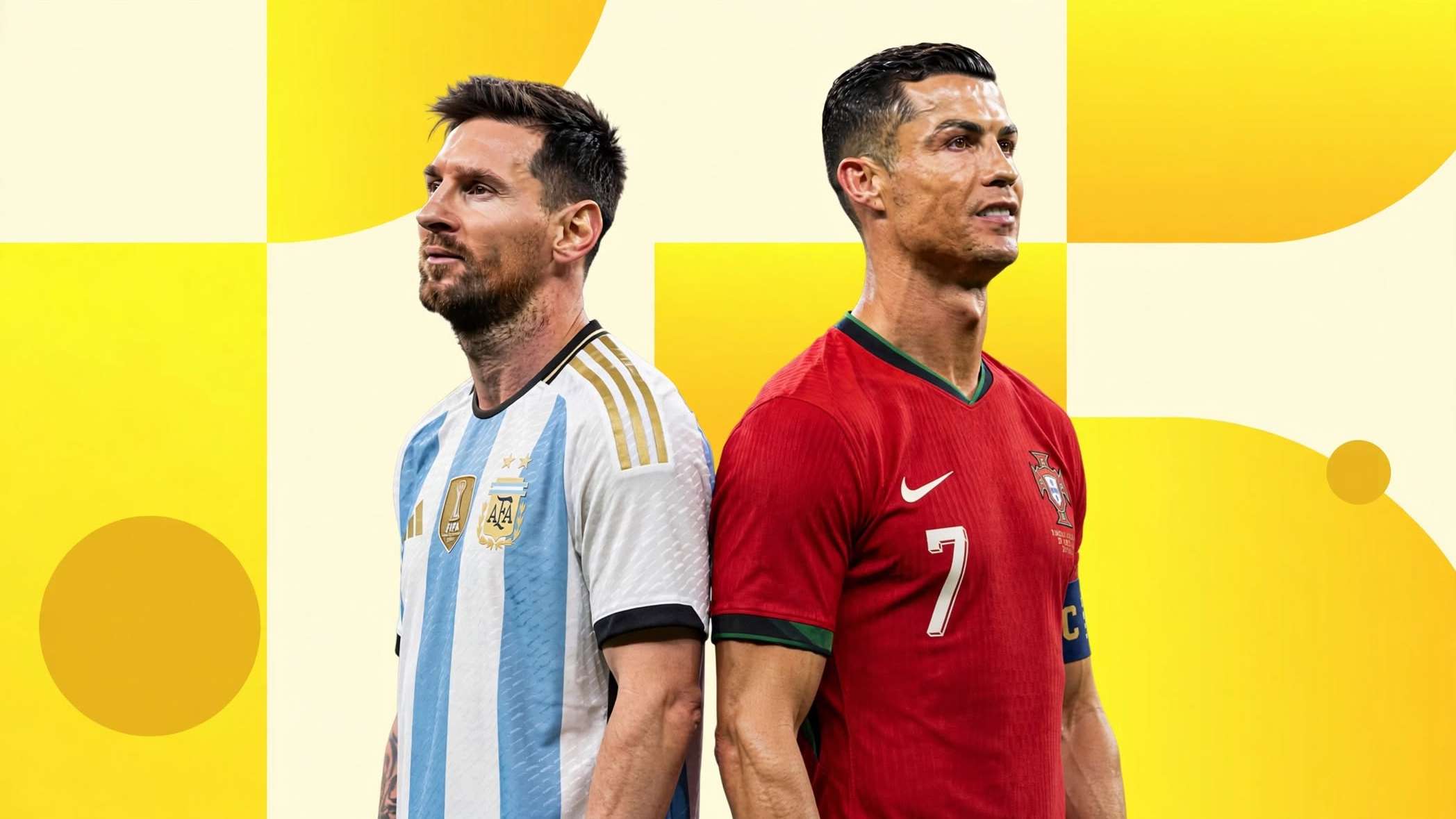
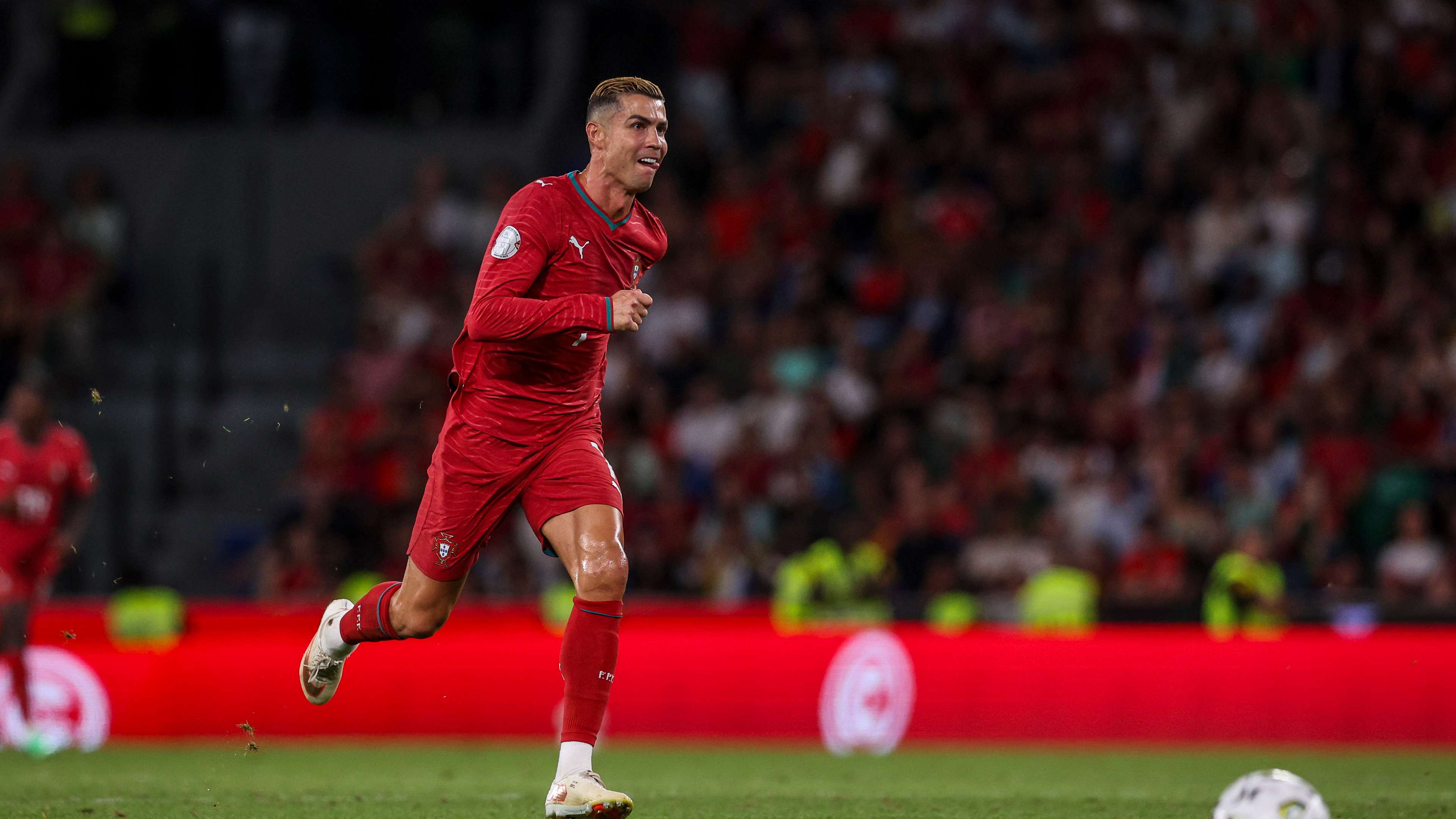
Cristiano Ronaldo’s decision to step away from international football has brought an unexpected end to one of the most celebrated careers in Portugal’s history. The Al-Nassr forward and national-team captain reportedly informed Portuguese Football Federation president Pedro Proença that he planned to announce his retirement on social media—but did not discuss the decision with head coach Jorge Jesus beforehand.
According to Portuguese newspaper A Bola, Ronaldo chose to make the announcement just before Jesus was due to reveal his squad for Portugal’s upcoming UEFA Nations League fixtures. The timing was significant: Jesus reportedly intended to include the veteran striker, despite Ronaldo having recently suggested he wanted to continue representing his country.
A Decision Made Before the Squad Announcement
Ronaldo’s retirement reportedly became public on the eve of the squad announcement, leaving little room for the coach to respond or persuade him to reconsider. Jesus had recently defended the forward’s value to Portugal and was said to be unwilling to give up on the national team’s number seven. Ronaldo, however, appears to have made up his mind before the selection was finalised.
The reported sequence of events suggests that the announcement was not simply a reaction to being left out of the squad. Instead, Ronaldo is said to have acted knowing that Jesus planned to call him up. By confirming his departure first, he prevented the coach from making a selection that would have brought him back into the group.
That distinction matters for supporters trying to understand the circumstances behind the news. A retirement announced after a player is omitted can look like a response to selection or a loss of status. In this case, the reporting points to a more deliberate choice: Ronaldo wanted to control the timing and terms of his exit, rather than wait for the coach’s decision.
Silence Between Ronaldo and Jorge Jesus
The lack of direct communication appears to have made the announcement even more surprising. A Bola reports that Ronaldo and Jesus had not spoken since the morning of Wednesday, September 30, when the forward left Portugal’s training camp. Ronaldo, Jesus and Proença reportedly met that day, but it was their last exchange before the retirement news emerged.
Neither the coach nor the federation president is said to have wanted the relationship with the national team to end in this way. Yet, without a conversation between player and coach, Jesus had no clear warning that Ronaldo was preparing to retire. The situation left him facing a major announcement just as he was preparing to name his squad.
For a national team, communication between a coach and an experienced captain can be as important as tactics. A player’s role may change over time, but an open conversation can help both sides manage expectations and plan a transition. The reported absence of contact means Portugal may now have to move directly from uncertainty to rebuilding its attacking options without the chance for a gradual handover.
What Ronaldo’s Departure Means for Portugal
Ronaldo’s international career has been closely tied to Portugal’s modern football identity. Across successive generations of players, he has served as a goalscorer, captain and global symbol of the team. His presence has shaped opponents’ preparations and influenced how Portugal approaches high-pressure matches. His departure therefore represents more than the loss of one forward: it marks a significant change in the team’s leadership and public profile.
Portugal still possesses considerable attacking talent, and the next phase will not depend on finding a single player who can reproduce everything Ronaldo contributed. Instead, Jesus must decide how to distribute responsibility across the squad. That could mean giving younger forwards more minutes, adjusting the team’s formation, or relying on a broader range of players for goals and leadership.
There is also a practical challenge. International football offers limited training time, so replacing an established figure requires more than selecting a new striker. Portugal will need to establish fresh combinations, clarify who takes responsibility in decisive moments and develop a leadership group capable of guiding the team through difficult stretches.
Upcoming Fixtures and the Road Ahead
Portugal’s next listed UEFA Nations League fixture is against Denmark on November 15, 2026. The match will provide an early opportunity to see how the side adapts to life without Ronaldo, although one game alone will not define the transition. Supporters will be watching for changes in the forward line, the balance between experienced players and emerging talent, and the way Jesus reshapes his tactical plans.
Any football prediction for Portugal’s next campaign should account for both sides of the change. Ronaldo’s absence removes a proven scorer and a familiar reference point in attack, but it may also create opportunities for other players to take on larger roles. The team’s results will depend on how quickly those players establish confidence and whether Portugal can preserve its attacking threat through collective movement rather than relying on one headline star.
The Denmark fixture may also carry symbolic weight. It is expected to be one of the first major tests of Portugal’s post-Ronaldo direction, with attention focused not only on the scoreline but on how the team responds to a new era. For Jesus, the immediate task is to turn an abrupt and reportedly unexpected departure into a clear plan for the squad.
A Legacy That Extends Beyond the Final Announcement
Whatever the circumstances surrounding his decision, Ronaldo’s contribution to Portugal will remain central to the country’s football story. His retirement closes a chapter defined by extraordinary longevity, sustained attention and a level of influence few players achieve on the international stage. It also gives Portugal a chance to define what comes next—on the pitch and within the dressing room.
The reported details raise questions about why Ronaldo chose to announce his retirement without first speaking to Jesus, and whether a direct conversation could have produced a different ending. For now, the coach and federation must look forward. Portugal’s challenge is to respect the legacy of its captain while building a team capable of competing on its own terms.