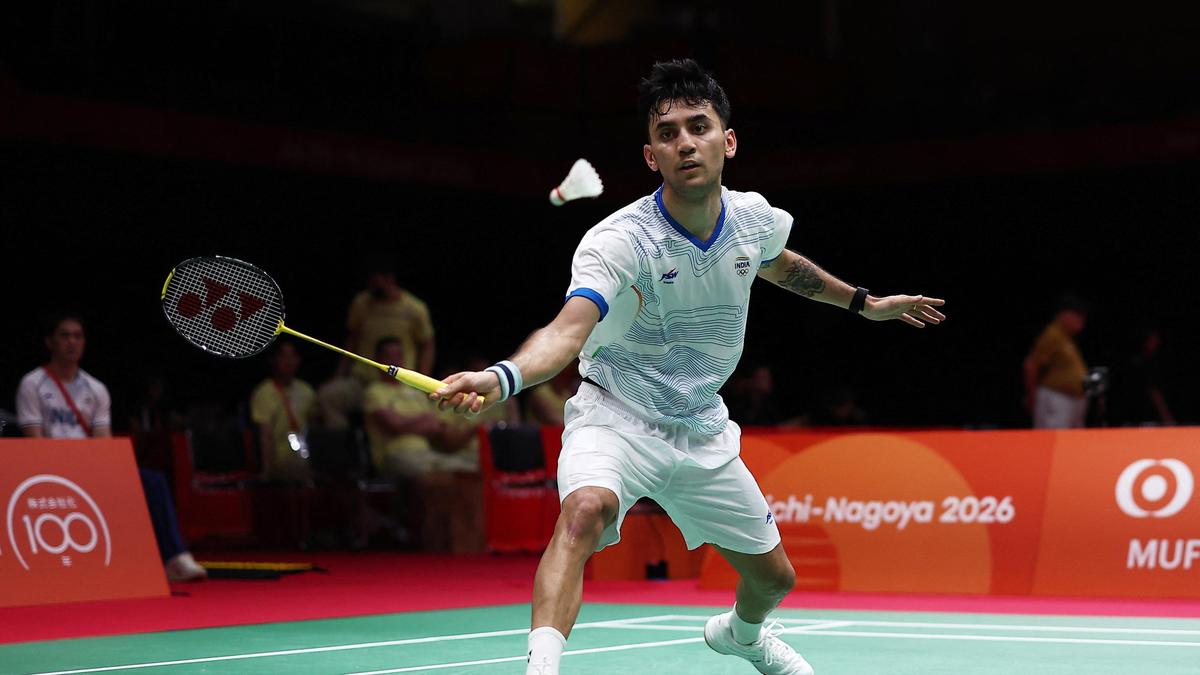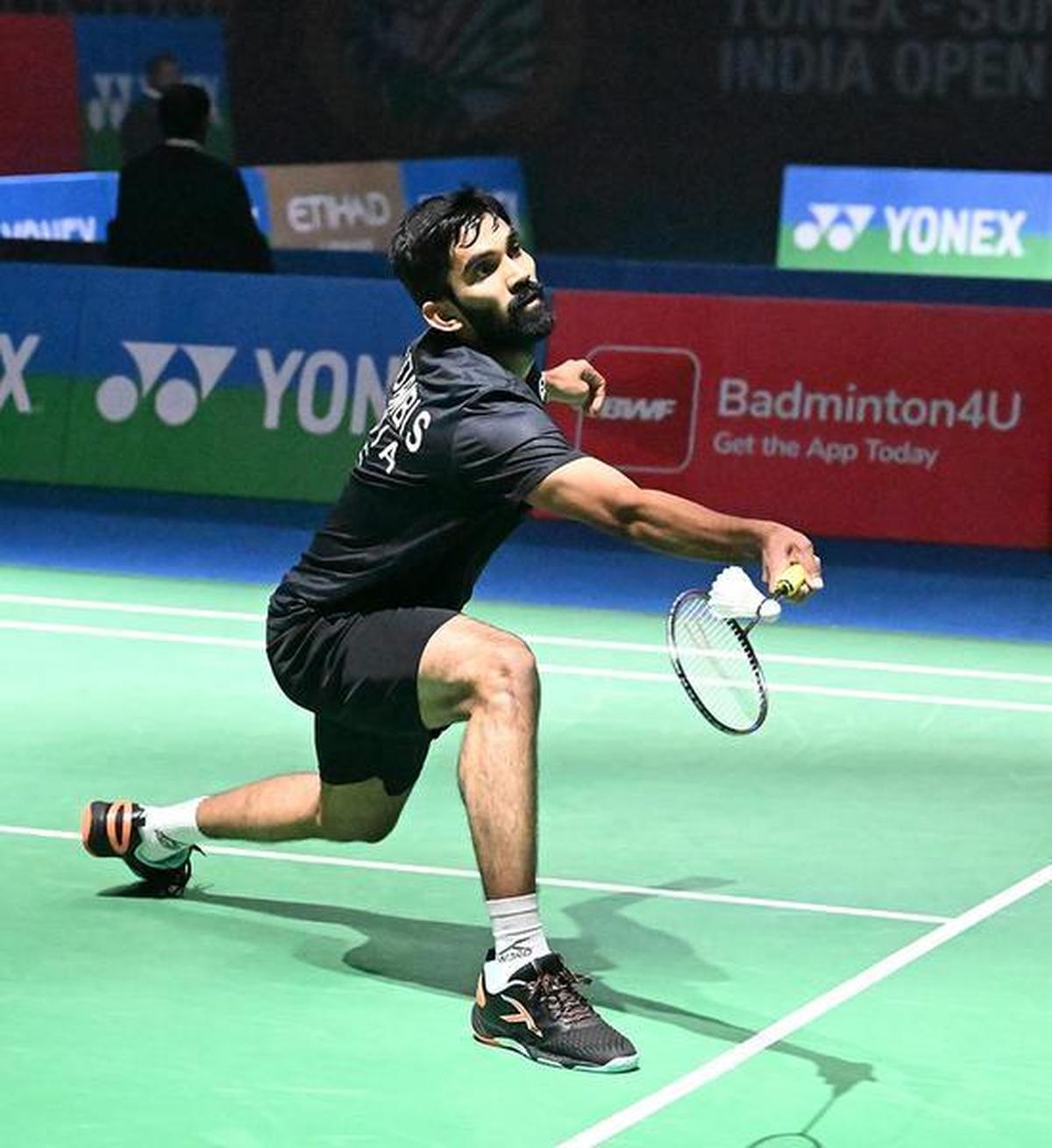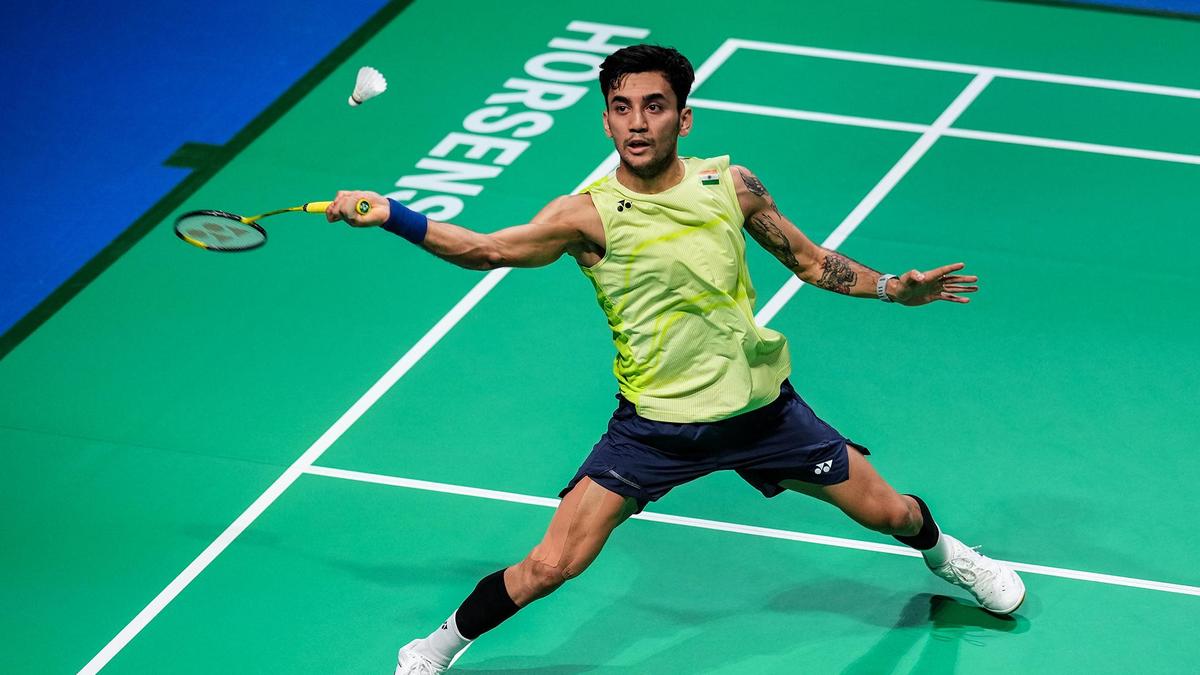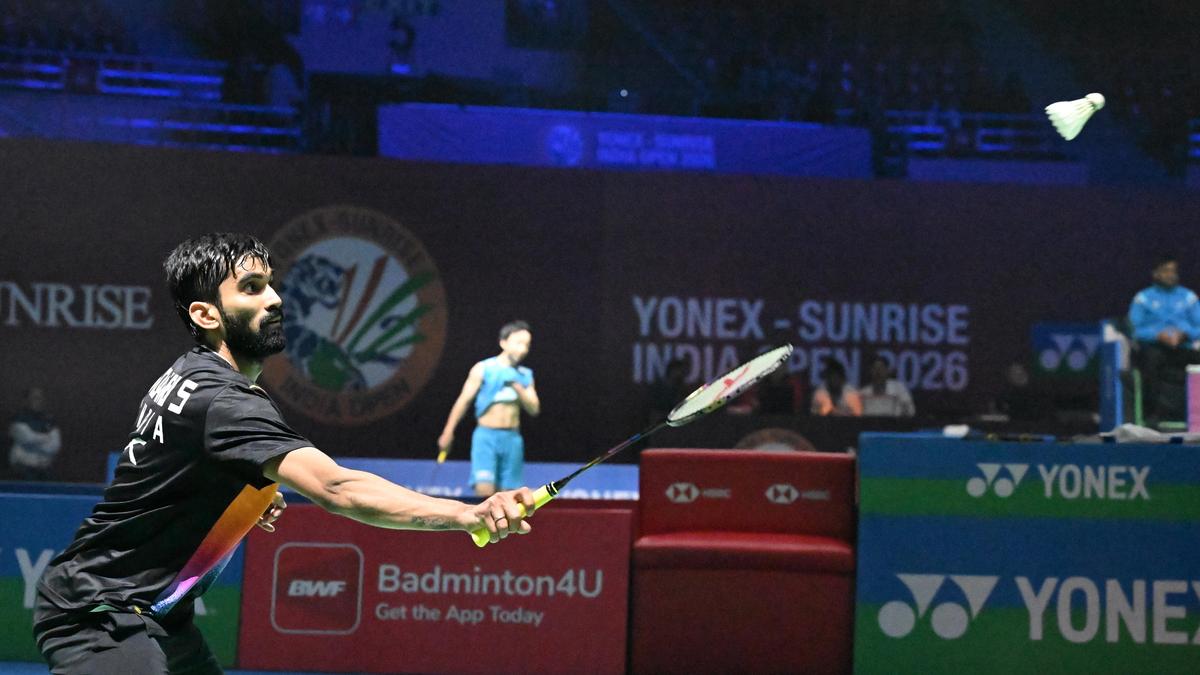

Kidambi Srikanth exits Japan Masters after Koki Watanabe’s dramatic comeback
India’s Kidambi Srikanth bowed out of the Japan Masters in the quarterfinals on Friday, falling to home player Koki Watanabe in a match that turned sharply in its closing stages. Watanabe won 24-22, 21-15 in 41 minutes, recovering from a five-point deficit in the second game to secure his place in the semifinals.
The result ended a promising week for Srikanth, who had arrived at the last eight after earning a notable victory over fifth seed Kodai Naraoka. Against Watanabe, the former world No. 1 showed his fighting spirit in a tightly contested opening game and looked well placed to extend the match. But a late surge from his Japanese opponent changed the momentum and brought Srikanth’s tournament run to a close.
A tense opening game goes Watanabe’s way
Both players began with the urgency expected in a badminton quarterfinal, trading points and refusing to let the other build a decisive advantage. Srikanth stayed composed through the rallies, while Watanabe used the support of the home crowd to keep pressing for control.
The opening game became a test of patience and precision as the score moved beyond 20-all. At that stage, each point carried the weight of a game-winning opportunity. Watanabe held his nerve in the closing exchanges, edging the contest 24-22 to take the lead after a closely fought start.
For Srikanth, the narrow loss was a setback but not a sign that the match had slipped away. He responded with a strong start in the second game, taking the initiative and putting Watanabe under pressure. The Indian built a 11-5 lead by the interval and continued to look in control after play resumed, moving ahead 14-9.
Watanabe turns the match around
At 14-9, Srikanth appeared to have a strong opportunity to level the match and force a decider. Instead, Watanabe produced the most decisive spell of the contest. He tightened his defence, found greater accuracy in his attacking shots and began to dictate the pace of the rallies.
The Japanese shuttler’s comeback was striking: from 9-14 down, he claimed 12 of the next 13 points. That run erased Srikanth’s advantage and left the Indian searching for a response as Watanabe moved rapidly toward the finish line. Watanabe closed the second game 21-15, completing a straight-games victory.
The scoreline reflected a match of two contrasting phases. Srikanth had competed strongly in the first game and controlled much of the second, but Watanabe’s ability to seize the momentum at a critical moment proved decisive. In elite badminton, a brief lapse can quickly become costly, particularly when an opponent is able to turn defence into attack and string together points under pressure.
Srikanth’s win over Naraoka a highlight of the week
Despite the quarterfinal exit, Srikanth leaves the Japan Masters with an encouraging result on his record. Earlier in the tournament, he defeated Japan’s fifth seed and home favourite Kodai Naraoka for the first time in five meetings. The victory was a significant milestone against a player who had previously proved difficult for him to overcome.
Srikanth won that encounter 21-15, 11-21, 21-18. After taking the opening game, he lost the second comfortably, but recovered his focus in the decider to finish the match. The performance demonstrated his ability to reset after a difficult stretch and compete effectively in a high-pressure finish—qualities that will offer encouragement as he continues his international campaign.
That win also gave his Japan Masters run added value beyond the final result. Beating a seeded opponent on home soil can provide a confidence boost, especially when the match requires a response after losing a game. Srikanth’s progress to the quarterfinals showed that he could challenge quality opposition, even though he was unable to sustain his advantage against Watanabe.
What the defeat means for Srikanth
For Indian badminton supporters, the quarterfinal loss is a disappointing end to a week that had delivered a meaningful breakthrough. Srikanth’s performance against Naraoka offered evidence of his competitive resilience, while the match against Watanabe highlighted how important it is to close out opportunities when holding a lead.
The second-game collapse will be the clearest lesson from the defeat. After leading 14-9, Srikanth was unable to slow Watanabe’s momentum or stop the run of points. Finding ways to interrupt an opponent’s surge—through more controlled shot selection, variation in pace or greater patience in longer rallies—can be crucial in matches where the balance shifts quickly.
At the same time, the narrow first-game loss and strong start in the second show that Srikanth was capable of troubling Watanabe. The contest was not one-sided; it was decided by a short but emphatic passage of play. That distinction matters as the Indian looks ahead to upcoming badminton tournaments, where the confidence gained from his win over Naraoka can be carried forward.
Watanabe, meanwhile, will take confidence from a comeback victory in front of his home crowd. His recovery from five points behind underlined his composure and ability to raise his level when the match was at a turning point. With the quarterfinal win, he advanced to the last four, while Srikanth’s Japan Masters campaign ended after an eventful week of progress, pressure and a hard-fought exit.