
Morocco Confident in Hosting the 2030 World Cup Final: A Strategic Prediction and Analysis
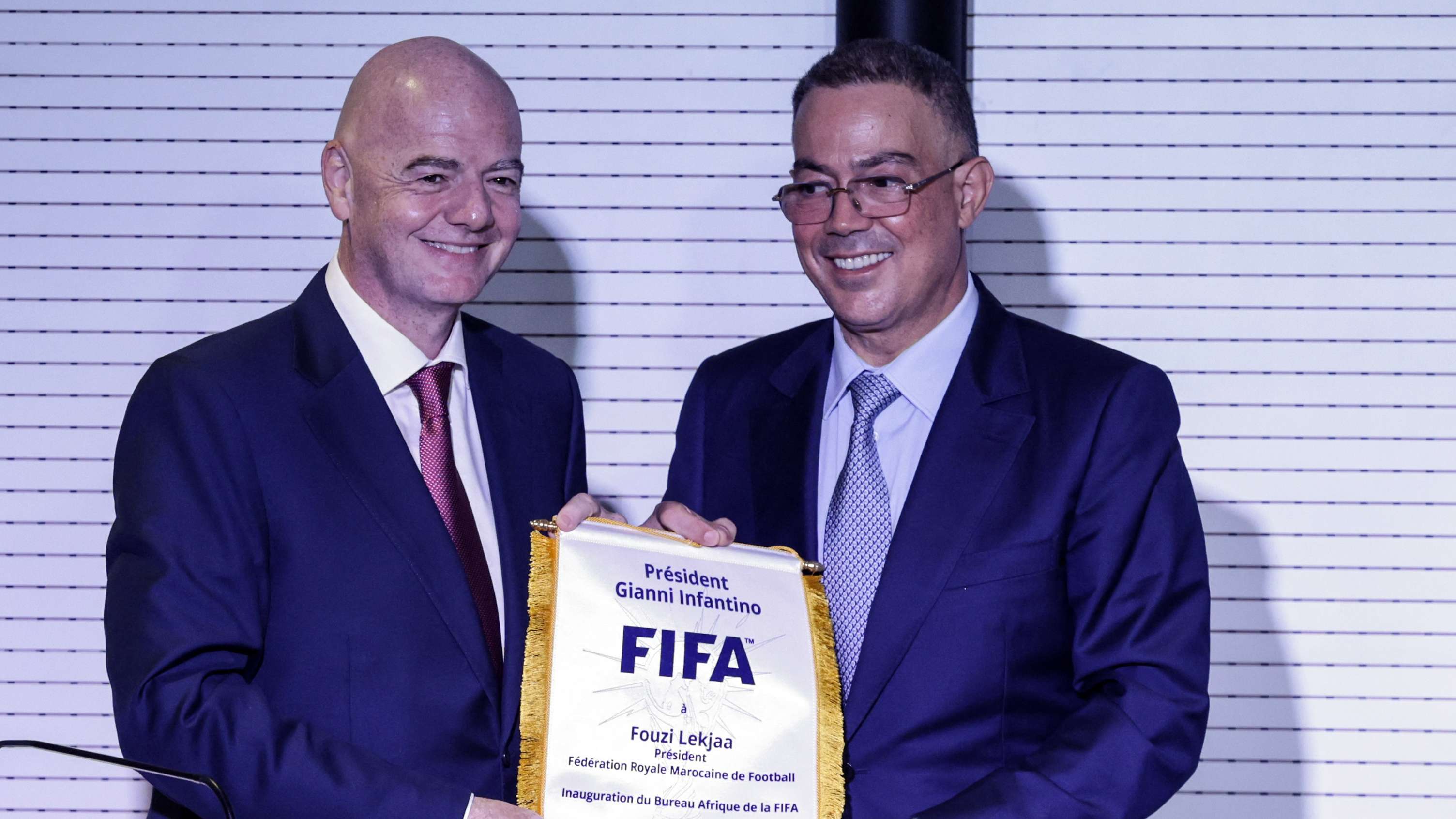
The race to host the highly anticipated 2030 FIFA World Cup final is intensifying, with Morocco asserting a strong position in this global bidding process. A country renowned for its passionate football culture and ambitious infrastructural projects is positioning itself as a frontrunner, notably through its strategic focus on the Grand Stade Hassan II in Benslimane. Although FIFA has yet to officially announce the final venue, Moroccan football officials, led by Fouzi Lekjaa, are making bold predictions about the tournament’s climax being held on Moroccan soil.
Morocco’s Bold Prediction: A Strategic Move in the World Cup Bid
At an event organized by the Authenticity and Modernity Party in Bouznika, Fouzi Lekjaa, president of the Royal Moroccan Football Federation (FRMF), publicly voiced his confidence that Morocco will host the 2030 World Cup final at the Grand Stade Hassan II. His remarks, which garnered significant attention across international football circles, are seen as a calculated display of Morocco’s ambition and readiness to secure this prestigious event.
“What you should know is that the province of Benslimane will have the honor of hosting the 2030 World Cup final,” Lekjaa declared, effectively positioning Morocco’s bid as a serious contender in the race. This statement, although not an official FIFA confirmation, underscores Morocco’s desire to leverage its modern infrastructure and passionate football culture to win the right to host the tournament’s most coveted match.
Imagining the Dream Final: Morocco vs. France
Adding a layer of optimism and national pride, Lekjaa expressed his personal wish for the final to feature Morocco against France, a historic football rivalry imbued with cultural and sporting significance. “And God willing, may there be a final bringing together Morocco and France so that we can take our revenge,” he said amid enthusiastic applause from those present. This statement not only reflects Morocco’s confidence but also highlights the strategic importance of the matchup prediction, which could serve as a powerful narrative for the Moroccan bid.
While these remarks are not official confirmation from FIFA, they serve as a rallying cry and a demonstration of Morocco’s unwavering belief in its ability to host the tournament’s climax. The Moroccan bid is competing against strong contenders, especially Spain, which boasts its own set of world-renowned stadiums and a well-established football infrastructure.
The Battle of Iconic Stadiums: Hassan II vs. Spain’s Giants
The heart of the competition lies in the selection of the final stadium, a decision that FIFA has yet to finalize. Morocco’s bid hinges heavily on the Grand Stade Hassan II, a state-of-the-art football facility currently under construction in Benslimane, located strategically between Casablanca and Rabat. With a projected capacity approaching 115,000 spectators, the stadium promises to be one of the largest and most modern venues in the world.
The design of the Hassan II stadium draws inspiration from traditional Moroccan tents, reflecting the country’s rich cultural heritage while embracing modern architectural innovations. Expected to be completed by 2027, this stadium will not only serve as a symbol of Morocco’s urban and sporting transformation but also as a key asset in its World Cup bid, demonstrating the country’s capacity to host a tournament of this magnitude.
In comparison, Spain’s leading options include the Santiago Bernabéu in Madrid and the Spotify Camp Nou in Barcelona—two iconic stadiums with extensive history and global recognition. Both venues have the capacity, infrastructure, and experience to host the World Cup final, making the race highly competitive and politically charged, especially given the significance of hosting the event’s final match.
The Significance of Infrastructure and Legacy
Morocco’s ambitious infrastructure development is not solely about the stadiums. The country aims to showcase its ability to deliver a comprehensive and sustainable sporting legacy. The Hassan II stadium project is part of a broader vision to modernize the country’s sports infrastructure, drive tourism, and promote economic growth through football.
The stadium’s capacity of nearly 115,000 seats, combined with its innovative design, will make it one of the largest venues in the world, rivalling traditional European giants. The project exemplifies Morocco’s strategic vision to establish itself as a major player in global football hosting, not just for 2030 but for future tournaments as well.
The Official Status and Ongoing Competition
Despite the optimism expressed by Moroccan officials, it’s crucial to recognize that FIFA has not yet officially announced the host stadiums for the 2030 World Cup final. The decision remains pending, with FIFA officials evaluating multiple factors including stadium capacity, infrastructure readiness, logistical considerations, and the overall bid package.
The ongoing competition involves not only Morocco but also Spain and Portugal, which have jointly submitted a bid to host the 2030 tournament. The joint bid marks a historic milestone, celebrating 100 years since the inception of the World Cup in South America. The inclusion of Morocco adds a unique dimension to this celebration, emphasizing a broader African and global representation.
Implications for Football and Global Sports Diplomacy
This bidding process reflects more than just a battle over hosting rights; it symbolizes the growing influence of African nations in global football. Morocco’s confident stance demonstrates the country’s ambition to position itself as a leading destination for international sports events, fostering economic development and international prestige.
As the race heats up, football prediction experts and analysts are closely watching the developments, assessing the strengths and weaknesses of each bid. While Morocco’s prospects are promising, the final decision will depend on a complex evaluation process that considers not only infrastructure but also diplomatic and political factors.
Looking Ahead: The Road to 2030
The coming years will be pivotal for Morocco’s bid, with construction deadlines, FIFA evaluations, and international diplomacy playing crucial roles. If successful, the country will not only host the final of the 2030 World Cup but will also showcase its rich culture, hospitality, and footballing passion on the world stage.
Football fans worldwide are eager to see how this historic bidding war unfolds, with predictions and expert analyses fueling discussions across forums like “Kooora” and social media platforms. Ultimately, the decision will shape the legacy of the 2030 World Cup and reaffirm Morocco’s rising status in the global football community.
Conclusion
Morocco’s confident prediction of hosting the 2030 World Cup final highlights the nation’s strategic ambitions and its desire to be recognized as a leading global football destination. While FIFA’s official decision remains pending, the ongoing competition underscores the importance of infrastructure, cultural symbolism, and international diplomacy in shaping the future of football.
As the countdown to 2030 begins, all eyes are on Morocco’s remarkable journey—from the groundbreaking construction of the Hassan II stadium to its bold bid for the tournament’s most prestigious match. Whether or not the prediction comes true, Morocco’s passion for football and its vision for hosting a global event continue to inspire fans and stakeholders worldwide.