
Real Madrid Demands Resignation of La Liga President Javier Tebas Amidst Controversy Over Refereeing Standards
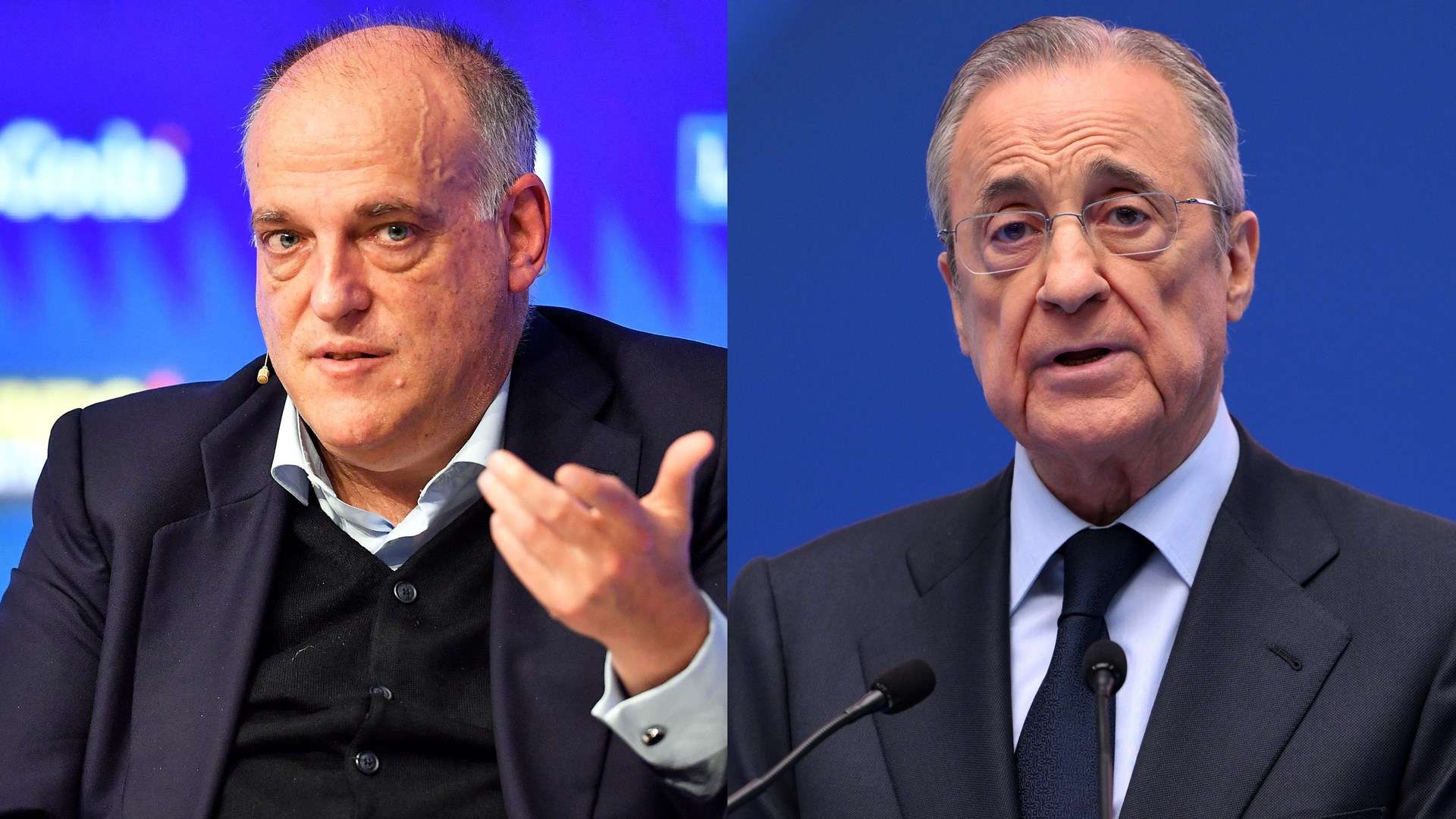
The football community in Spain has been rocked by a dramatic escalation of tensions between one of its most iconic clubs, Real Madrid, and the governing body of La Liga. The Madrid giants have issued a bold and unprecedented call for the resignation of La Liga president Javier Tebas, citing recent disputes over officiating standards that have cast a shadow over the integrity of Spanish football. This heated exchange underscores the ongoing debate surrounding refereeing, fairness, and transparency in Spain’s top-flight league, prompting fans and pundits alike to question the future direction of the sport.
Background: The Madrid Derby and Controversial Refereeing Decisions
The recent Madrid derby between Real Madrid and Atlético Madrid was marred by contentious refereeing decisions that have ignited widespread debate among fans, analysts, and club officials. The match, which was highly anticipated as a crucial fixture in the La Liga calendar, saw several penalties, offside calls, and disciplinary actions that many believe influenced the outcome of the game.
Real Madrid’s management and players expressed their dissatisfaction publicly, asserting that the officiating fell well below the standard expected in a top European league. The club’s frustration was compounded by the fact that the defeat seemed to be partially attributable to contentious refereeing decisions that appeared to favor Atlético Madrid. Such incidents invariably fuel speculation about potential biases or systemic flaws within the league’s officiating protocols.
Javier Tebas’s Response and Public Mockery
In a move that further intensified the controversy, Javier Tebas publicly mocked Real Madrid’s concerns about refereeing standards. During a recent press conference, Tebas dismissed the club’s grievances, ridiculing their claims and suggesting that they were exaggerated or motivated by other factors. This dismissive attitude did not sit well with Madrid officials, who felt that Tebas’s comments undermined the seriousness of their allegations and dismissed the importance of fair play and officiating integrity.
The exchange marked a significant escalation in the ongoing debate over refereeing quality in La Liga, with Tebas’s comments perceived by many as a lack of accountability for officiating errors that have increasingly come under scrutiny in recent years. Critics argue that consistent officiating issues threaten the credibility of La Liga, especially as the league continues to compete for global attention against the likes of the English Premier League and other top European competitions.
Real Madrid’s Bold Call for Leadership Change
In a statement that sent shockwaves through the football world, Real Madrid’s leadership publicly called for Javier Tebas’s resignation from his position as president of La Liga. The club’s official stance emphasizes the need for transparent and impartial leadership that prioritizes the integrity of the sport and ensures that refereeing standards are upheld without bias or favoritism.
“We believe that the current leadership under Javier Tebas has failed to address the fundamental issues concerning refereeing standards and transparency,” the statement read. “It is imperative for the future of Spanish football that new leadership is appointed to restore confidence in the officiating process and uphold the principles of fair play.”
This unprecedented demand highlights the growing frustration within some of Spain’s most prestigious clubs, who are calling for reforms to improve refereeing consistency, accountability, and the overall competitive fairness of La Liga.
The Broader Implications for Spanish Football and Its Global Audience
The controversy surrounding refereeing standards and the subsequent political fallout have broader implications beyond Spain’s borders. With football being the most popular sport worldwide, the integrity of La Liga is crucial for maintaining its reputation and attracting top talent, broadcasters, and sponsors. Persistent refereeing controversies can tarnish the league’s image and dampen the enthusiasm of fans both domestically and internationally.
Moreover, this dispute raises questions about the effectiveness of the current governance structure in Spanish football. Critics argue that a lack of independent oversight and transparency in officiating decisions can lead to perceptions of bias, favoritism, or even corruption. Calls for reform are gaining momentum, with many advocating for the implementation of technological aids, such as VAR (Video Assistant Referee), with greater oversight to reduce human error and increase fairness.
How This Affects Football Prediction and Betting Markets
In the realm of football prediction and betting, controversies over refereeing decisions and league integrity can have tangible impacts. Bettors and analysts closely monitor officiating patterns, disciplinary records, and referee assignments to inform their predictions. Incidents like the Madrid derby controversy can lead to fluctuations in betting odds, especially if certain referees are perceived as biased or prone to making contentious calls.
Furthermore, the ongoing debate about officiating quality influences the confidence of punters in football prediction models. The perception of inconsistent refereeing can add an element of unpredictability, making accurate forecasts more challenging. As the league grapples with these issues, betting markets may experience increased volatility, with sharp movements in odds following high-profile refereeing controversies.
Looking Ahead: Reforms and the Future of La Liga
The current crisis presents an opportunity for La Liga and its governing bodies to reevaluate and reform their approach to officiating and league management. Many experts advocate for the adoption of advanced technological solutions, such as enhanced VAR systems, real-time decision review protocols, and independent refereeing oversight committees, to restore trust and transparency.
Additionally, club stakeholders, including Real Madrid, Atlético Madrid, Barcelona, and others, are calling for greater accountability and reforms that prioritize fairness and integrity. The league’s leadership must navigate these turbulent waters carefully, balancing the interests of clubs, broadcasters, and fans while safeguarding the sport’s reputation.
In the broader context, this controversy could serve as a catalyst for much-needed change in Spanish football governance. The goal is to ensure that refereeing decisions are fair, consistent, and free from undue influence, thereby enhancing the quality of competition and the appeal of La Liga on the global stage.
Conclusion: A Defining Moment for Spanish Football
The clash between Real Madrid and La Liga’s leadership over refereeing standards marks a pivotal moment in Spanish football history. As the sport continues to evolve and compete on a global level, the integrity of refereeing remains a cornerstone of fair competition and spectator confidence. The call for Javier Tebas’s resignation underscores the urgency for reform and the need to restore trust in the league’s governance.
For football enthusiasts, pundits, and bettors, this controversy offers both a cautionary tale and an opportunity for positive change. The future of football prediction in La Liga depends on how effectively the league addresses these challenges—ensuring that the beautiful game remains fair, exciting, and credible for generations to come.