
Gavi’s Barcelona Absence Sparks Debate Over Hansi Flick’s Midfield Plans
Barcelona’s emphatic victory over Deportivo Alavés brought a welcome lift after damaging defeats to Paris Saint-Germain and Real Madrid. Yet, as the Catalan side restored confidence with a convincing performance, attention quickly shifted from the result to one notable omission: Gavi did not leave the bench.
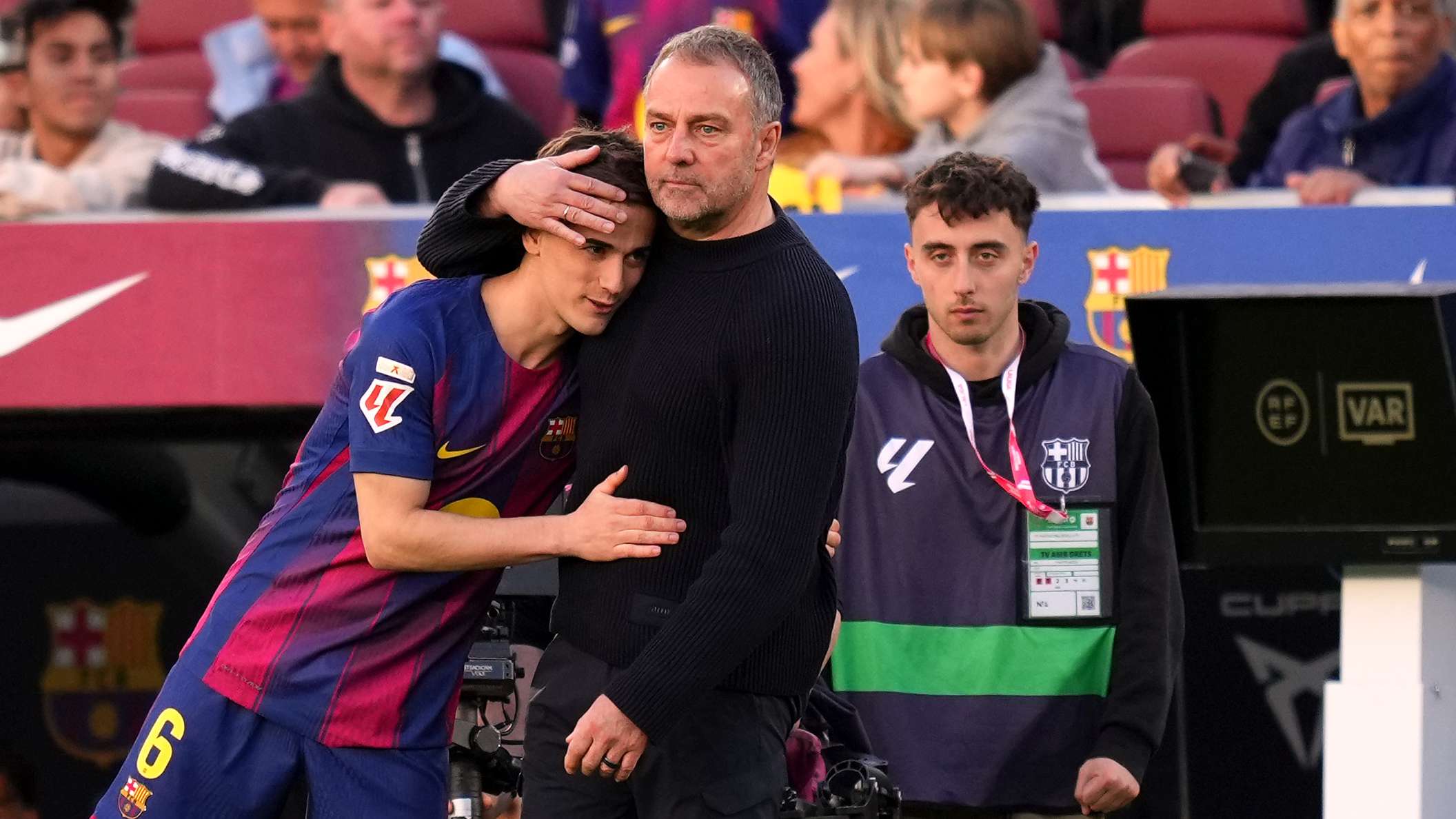
The midfielder’s lack of playing time has reignited discussion about his place in Hansi Flick’s plans. Some Spanish media coverage has questioned whether the decision was purely tactical, while more pointed commentary has suggested there could be tension between the coach and player. So far, however, there is no clear evidence of a personal dispute.
Why Gavi’s Match-Day Role Is Under Scrutiny
Gavi’s absence stood out because Barcelona’s win offered an opportunity to rotate the squad and give players minutes. That made the decision a talking point among pundits and supporters, particularly given the midfielder’s status as one of the club’s most recognisable young talents.
According to the Catalan newspaper Sport, some Madrid-based outlets quickly turned the discussion into a wider debate about Flick’s management. What began as a question about a single selection decision was presented by some commentators as a possible sign of friction inside the Barcelona dressing room.
That interpretation has added intrigue, but it should be treated cautiously. A player missing one match is not, on its own, proof of a breakdown in trust. Coaches routinely make decisions based on the score, the opponent, player fitness, tactical balance and the demands of the schedule. Without further evidence, claims of an internal problem remain speculation rather than established fact.
Commentators Question Flick’s Use of the Midfielder
The debate also featured on Cadena SER’s Carrusel Deportivo, where presenters raised questions about the role Gavi currently occupies in Flick’s team. Radio Marca commentator Miguel Martín Talavera was more direct, arguing that the season had presented opportunities to give the midfielder minutes and help him rebuild match rhythm.
Talavera suggested that Flick may not consider Gavi a suitable option for his current approach, adding that the coach might not be fully convinced by the player. It was a strong assessment, but it remains an interpretation from outside the club. Flick has not publicly said that he lacks confidence in Gavi, and his explanation after the Alavés match focused on the choices available to him.
From Golden Boy Recognition to a Crowded Midfield
Cadena SER captured the contrast in Gavi’s career trajectory with the headline: “What is happening with Gavi? From Golden Boy to the seventh midfielder.” The phrase reflects the gap between his earlier standing as a symbol of Barcelona’s next generation and the competition he now faces for regular minutes.
Gavi’s reputation was built on his intensity, pressing, aggression in duels and willingness to play forward. Those qualities made him a fan favourite and helped establish him as one of Europe’s most exciting young midfielders. But reputation alone cannot guarantee a place in a team with several established and emerging options competing for similar roles.
Barcelona’s midfield pool includes Frenkie de Jong, Pedri, Fermín López, Dani Olmo and Marc Bernal, alongside the players Flick identified as available for the Alavés match. Each offers a different profile: some provide control and ball progression, while others bring movement, creativity or energy around the penalty area. For Flick, balancing those qualities is a weekly challenge.
That competition can be especially difficult for a player returning to regular football after a disrupted period. Match rhythm is built through minutes, but coaches may be reluctant to introduce a player unless the game situation suits his strengths. The result can become a cycle: a player needs appearances to regain sharpness, while the manager waits for the right moment to provide them.
Flick’s Explanation: Changes, Options and Match Circumstances
After the victory, Cadena SER journalist Santi Ovalle asked Flick why Gavi had not been used. The German coach responded that substitutions depend on how a match develops and that circumstances can change from the plan formed before kick-off.
Flick referred to the midfield options available, including Rodri, Frenkie and Fermín, and said several changes had been required. His answer was measured and tactical. He did not criticise Gavi, question his commitment or suggest that the two had a personal disagreement.
That distinction matters. A coach’s decision not to use a player may reflect the needs of a particular match rather than a verdict on the player’s long-term value. Barcelona’s comfortable result also meant Flick could choose substitutions to protect the team’s structure or manage workloads instead of making changes simply to distribute minutes.
Barcelona’s Response After Two Painful Defeats
The timing of the controversy is notable. Barcelona’s performance against Alavés was meant to provide a response after losses to PSG and Real Madrid, and the scale of the win offered evidence that the team could regain its balance. Instead, post-match discussion quickly moved toward a possible disagreement involving a player who did not feature.
That shift reflects the intense scrutiny surrounding Barcelona. Every selection decision is examined, particularly when it involves a homegrown player with Gavi’s profile. It also shows how quickly football analysis can move from tactical questions to claims about dressing-room relationships, even when public information is limited.
What to Watch in Barcelona’s Next Matches
Gavi’s role will become clearer through a pattern of selection rather than one isolated match. Supporters will be watching for whether he appears in upcoming fixtures, how many minutes he receives and whether Flick uses him in a specific midfield role. Those clues will offer a more reliable picture of his standing than speculation following a single omission.
Barcelona’s schedule, including domestic cup and European commitments, could create opportunities for rotation. At the same time, the club’s need for consistent results means Flick may prioritise combinations he believes are best suited to each opponent. A football prediction about Gavi’s next appearance is therefore uncertain: his chances may depend as much on the match situation and squad fitness as on his place in the pecking order.
For now, the clearest conclusion is also the most measured one. Gavi’s absence has raised legitimate questions about his current role, but Flick’s public explanation was tactical, and no confirmed evidence points to a personal rift. The coming fixtures—not the noise around one selection—will show whether the midfielder is temporarily waiting for an opportunity or facing a more lasting challenge for minutes at Barcelona.