
Materazzi revisits Zidane’s 2006 World Cup headbutt as Italy prepare to face France
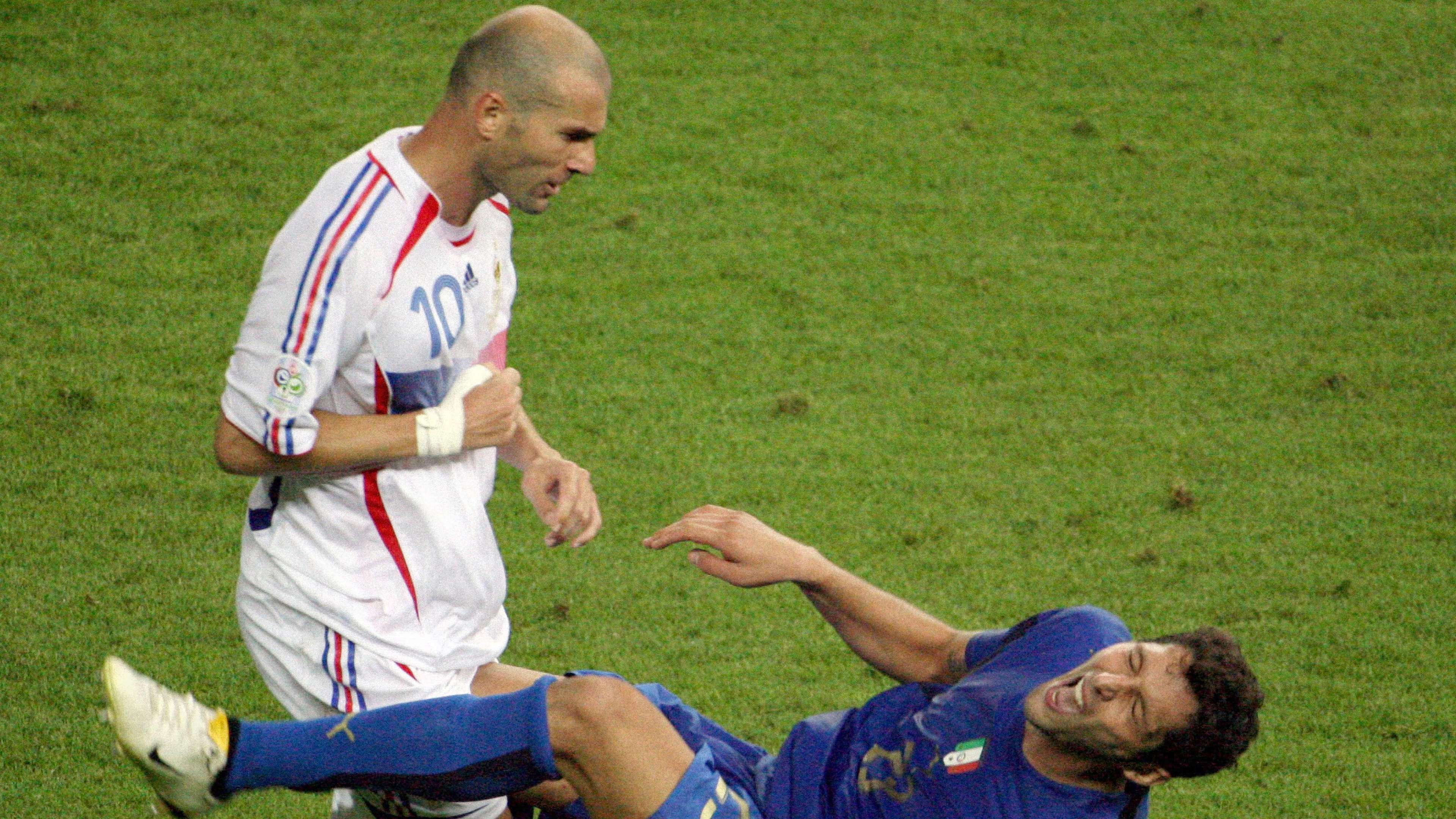
Nearly two decades after one of football’s most unforgettable moments, former Italy defender Marco Materazzi has reflected on his confrontation with Zinedine Zidane during the 2006 World Cup final. Speaking to La Gazzetta dello Sport ahead of Italy’s meeting with France, Materazzi discussed the headbutt, a private encounter in Milan and why the pair have never publicly reconciled.
The incident remains among the most replayed scenes in World Cup history. With the final between Italy and France level, Zidane struck Materazzi with a headbutt to the chest and was sent off. Italy went on to win the trophy on penalties, while Zidane’s dismissal became an enduring part of the story surrounding his final match as a professional player.
The episode has returned to the spotlight after Zidane recently said he was not proud of the headbutt but had no regrets. Materazzi was asked whether, looking back, he would respond in the same way if their roles had been reversed.
Materazzi says an apology could have ended the controversy
Materazzi said he would still describe the incident as a mistake, while also acknowledging that he felt provoked. In his view, a straightforward apology at the time might have brought the dispute to a close and allowed both men to move on.
He suggested that Zidane could have admitted he had acted wrongly while asking the public to consider the circumstances that led to the confrontation. Materazzi believes such a response might have presented Zidane as a gentleman and left him, Materazzi, looking like the player who had provoked an opponent.
Instead, the incident became a lasting football talking point, revisited whenever the two countries meet or Zidane’s career is discussed. Materazzi argued that the controversy could have faded sooner, noting that defenders regularly use physical tactics to disrupt opponents and prevent them from reaching the ball.
He described holding an opponent back as a familiar part of defending, adding that a coach might even appreciate a defender who cleverly stops a rival from jumping. His comments underline the gap between the routine physical contests of a football match and the exceptional reaction that transformed this particular exchange into a global spectacle.
Has Zidane moved on from the 2006 final?
Materazzi does not believe Zidane is still weighed down by the incident. He suggested that the renewed attention is largely connected to the latest Italy-France fixture, rather than evidence that the former France captain remains unable to put the episode behind him. Given Zidane’s successful career as a manager, Materazzi thinks he has likely moved on.
Still, the former defender said the moment affected him in ways that are not always visible in the familiar television replays. He referred to the death of goalkeeper Jesús de Miguel, whose case has been discussed in connection with an incident during play and allegations of involuntary manslaughter. Materazzi said that news made him grateful that his own confrontation with Zidane had not resulted in a serious injury.
His reflection adds a different dimension to a story often framed as a clash of personalities. The headbutt is remembered for its dramatic effect on the final, but Materazzi’s comments also point to the potential consequences of physical contact in a sport where players operate at speed and emotions run high.
A private meeting in Milan—and conflicting accounts
Although the two men have never staged a public reconciliation, Materazzi said they did meet privately in Milan in November 2010, on the eve of a match between AC Milan and Real Madrid. The encounter took place at the Meliá hotel, where Materazzi had been saying goodbye to José Mourinho as Zidane arrived by car.
According to Materazzi, Zidane appeared hesitant when he noticed him and initially seemed ready to turn away. Materazzi approached and offered his hand, telling Zidane that he was glad they had met somewhere away from public attention. He recalled Zidane responding that there was no need to worry because such things happen and the incident belonged to the past.
Materazzi said he was disappointed when Zidane later denied that the exchange had taken place, reportedly suggesting that he had mistaken Materazzi for a fan. The difference between their accounts has helped keep questions about reconciliation alive, even though both men have long since continued with their respective lives and careers.
Why has there been no official reconciliation?
Asked why Zidane has resisted the idea of a public, formal reconciliation, Materazzi said he has never objected to making peace. He speculated that the dramatic nature of Zidane’s dismissal may make it difficult for the former France star to revisit the episode publicly.
Materazzi also challenged the way the incident is sometimes described, arguing that the attention has focused overwhelmingly on Zidane’s headbutt while giving less consideration to the context and to Zidane’s history of disciplinary incidents. His comments do not erase his own role in provoking the exchange, but they reflect his belief that the story has often been told from only one perspective.
That tension is part of why the episode remains so compelling. It was not simply a moment of misconduct: it shaped the final, influenced how Zidane’s last match is remembered and created a rivalry narrative that has outlasted the players’ time on the pitch. For fans, the Italy-France match offers a fresh reason to revisit the past, even if the next result will be decided by a new generation of footballers.
Prediction: the old story may return, but the focus is on the present
With Italy and France meeting again, discussion of the 2006 final is almost inevitable. Yet the latest fixture is not a replay, and neither Materazzi nor Zidane will determine its outcome. Any prediction should be based on current form, team selection and tactical matchups—not nostalgia alone.
For supporters, the renewed attention is a reminder of how one split-second decision can become part of football history. Materazzi’s recollections offer fresh detail about the aftermath, particularly the private Milan encounter, while leaving the central question unresolved: whether a public reconciliation would bring closure or simply reopen a story that has never fully disappeared.