
The World Cup: A Non-Negotiable Icon in the Hands of FIFA
In a monumental turn of events, representatives of national football associations across Europe have taken a stand against what they perceive as a threat to the integrity of the sport. An emergency meeting held in Monaco brought together key figures from UEFA to address the ongoing crisis within FIFA, sparked by controversial attempts to commercialize the World Cup.
Failed Sale of the World Cup
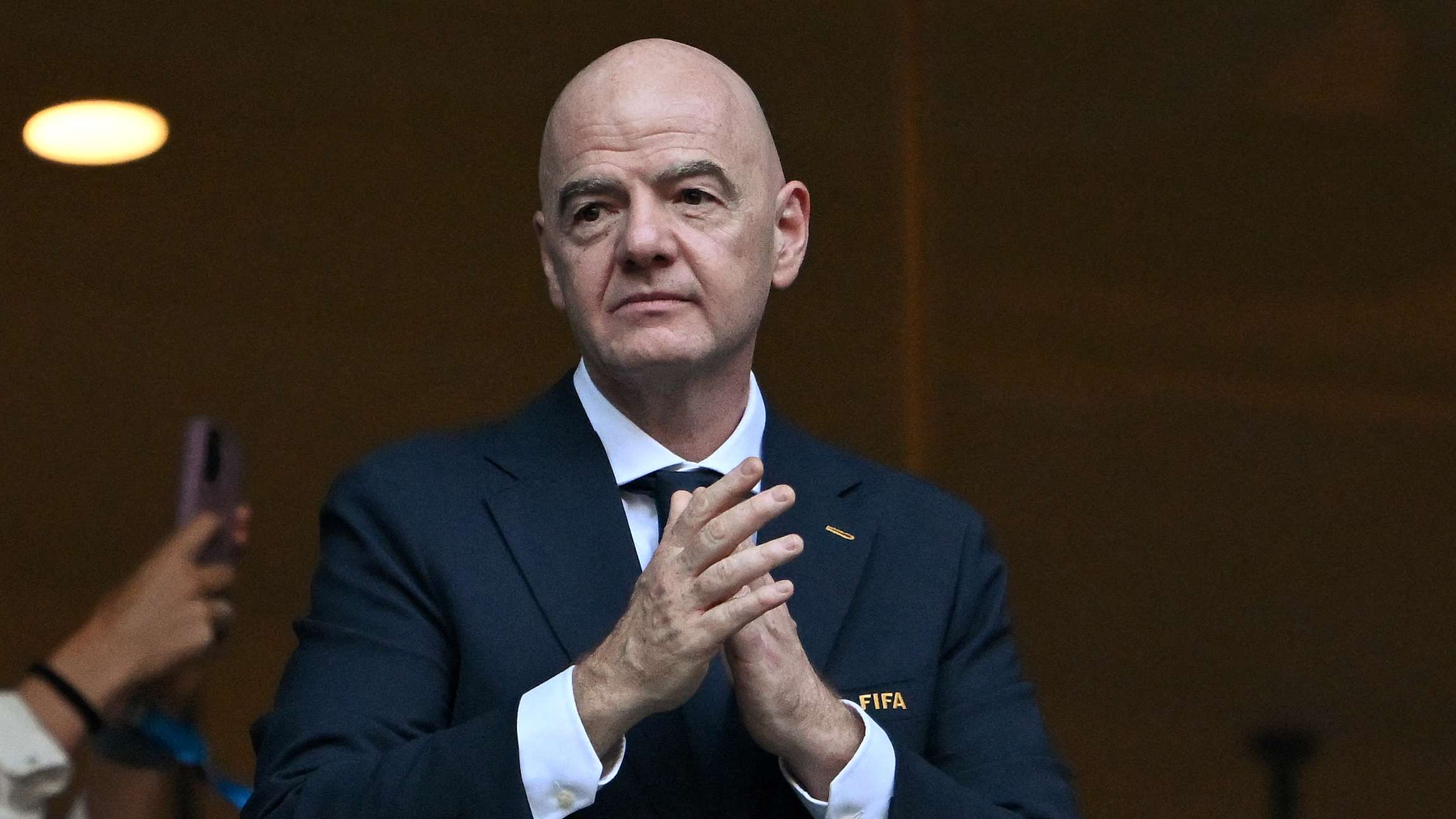
The meeting was prompted by FIFA President Gianni Infantino’s ill-fated proposal to sell a stake in the World Cup to external investors, a move that was met with severe backlash. In a scathing statement, the attendees condemned the plan as a “serious failure of judgement” and an “abuse of presidential authority”. They unanimously agreed to challenge what they saw as a dangerous concentration of power in the hands of one individual.
Call for Radical Reform
With a clear mandate in hand, UEFA President and his team were empowered to push for fundamental changes within FIFA. The first step involved demanding an independent external review of the FIFA Forward institution to ensure transparency and accountability. It was emphasized that FIFA’s billions in reserves should be utilized for the benefit of member associations, rather than seeking outside investors.
Lack of Confidence in Infantino
Beyond governance issues, the statement expressed a loss of confidence in President Infantino himself. UEFA made it clear that if he sought another term, they would actively support an alternative candidate committed to integrity, accountability, and genuine institutional change. The call for new leadership was loud and clear.
Withdrawal of Controversial Project
Amidst the turmoil, UEFA confirmed the definitive withdrawal of the “FIFA Forward Enterprise” project, signaling a step towards restoring trust within the football community. Additionally, the threat of European national teams pulling out of FIFA competitions was suspended for the upcoming season, pending a review of the situation.
Looking Towards a New Era in World Football
The events in Monaco mark a pivotal moment in the history of football governance, with European associations taking a firm stand against what they perceive as a threat to the sport’s values. As discussions continue and plans for reform take shape, the future of FIFA and the World Cup hangs in the balance. Stay tuned for further developments as the football world braces for a new era of leadership and accountability.
UEFA’s Influence in Football Governance
The power dynamics within FIFA have long been a topic of contention, with accusations of corruption and self-serving agendas. The recent upheaval led by UEFA showcases the growing influence of European football associations in shaping the future of the sport. By banding together and asserting their collective voice, UEFA has demonstrated a commitment to upholding the core principles of fairness, transparency, and accountability in football governance.
Commercialization versus Tradition
The proposed sale of a stake in the World Cup highlights the ongoing tension between commercial interests and the traditional values of the game. While there is a need for revenue generation and investment in football development, UEFA’s strong opposition to external investors reflects a deep-rooted concern for preserving the integrity and legacy of the World Cup. Balancing financial sustainability with the essence of the sport remains a delicate challenge for football’s governing bodies.
Rethinking FIFA’s Priorities
The call for a reevaluation of FIFA’s priorities and the utilization of its reserves for the benefit of member associations underscores a shift towards a more equitable distribution of resources within the organization. By emphasizing the importance of investing in grassroots football development and supporting smaller nations, UEFA is advocating for a more inclusive and sustainable approach to global football governance. This renewed focus on solidarity and fairness could pave the way for a more balanced and harmonious football ecosystem.
Leadership and Accountability in Football
The demand for new leadership within FIFA signals a broader push for accountability and ethical conduct in football administration. UEFA’s stance on supporting an alternative candidate dedicated to integrity and institutional reform reflects a desire for meaningful change at the highest levels of governance. As the football world looks towards a new era of leadership, the spotlight is on individuals who prioritize the well-being of the sport and its stakeholders above personal gain or power.
Rebuilding Trust and Unity
The withdrawal of the controversial “FIFA Forward Enterprise” project marks a crucial step towards rebuilding trust and unity within the football community. By setting aside differences and coming together to address governance issues, UEFA and its counterparts have shown a willingness to confront challenges head-on and work towards a common goal of safeguarding the future of the sport. This collective display of solidarity bodes well for the prospect of fostering a more cohesive and transparent football landscape.
Conclusion
As UEFA leads the charge for reform within FIFA, the football world stands at a crossroads where the decisions made today will shape the future of the sport for generations to come. By challenging the status quo, advocating for accountability, and prioritizing the values that underpin football’s essence, European football associations are setting a precedent for a more responsible and sustainable governance model. The ongoing dialogue and actions taken by UEFA and its allies serve as a beacon of hope for a brighter, more inclusive, and fairer future for the beautiful game.