
Mourinho backs Valverde’s versatility as Real Madrid prepare for AEK Athens
José Mourinho has made clear that Federico Valverde will continue to move between midfield and right-back whenever Real Madrid need him, despite the captain’s previous frustration at being shifted away from his preferred role. The coach praised Valverde’s importance to the team and argued that leadership means putting the squad’s needs first.
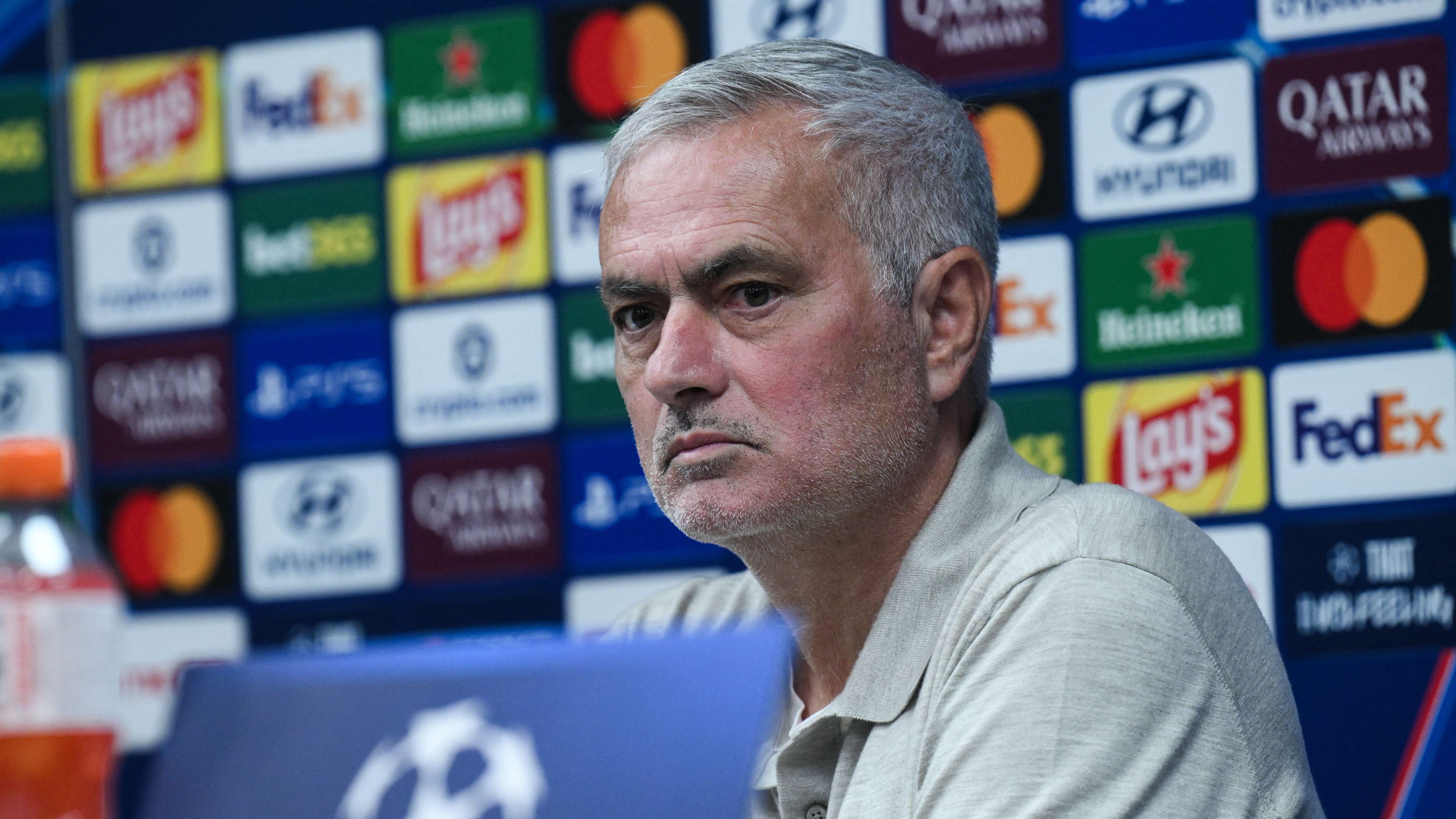
Speaking at a Tuesday press conference ahead of Real Madrid’s Champions League meeting with AEK Athens, Mourinho also discussed his attacking options, Arda Güler’s progress and the time he believes it will take to bring the team to its highest level. His comments offered a glimpse into the tactical decisions shaping Madrid’s season—and the high standards he has set for his long-term project.
Valverde’s position will depend on what Real Madrid need
Valverde has become one of Real Madrid’s most dependable players, but his versatility has also placed him at the centre of an ongoing positional debate. The Uruguay international is comfortable in midfield, where his energy and ability to carry the ball can influence the game, yet Mourinho has also been pleased with his performances at full-back.
The coach said Valverde’s status as captain gives him a particular responsibility to adapt. In Mourinho’s view, a captain must be prepared to take on whichever role best serves the group, rather than treating one position as the only acceptable option.
“I see Valverde as a hugely important player for the team,” Mourinho said, according to Spanish newspaper AS. He added that wearing the captain’s armband encourages a player to see the team’s needs from a wider perspective and makes him ready to perform wherever his teammates require him.
The remarks could revive memories of Valverde’s reported frustration last season when he was repeatedly moved around the pitch. Mourinho, however, did not present the arrangement as a permanent decision to keep the midfielder at right-back. Instead, he stressed that Madrid will need him in both areas as the campaign develops.
The squad’s midfield depth is one reason. Mourinho pointed to Aurélien Tchouaméni, Eduardo Camavinga, Dani Ceballos and Thiago Pitarch as the main alternatives, suggesting the club does not have an abundance of options in the centre of the pitch. Valverde, therefore, is likely to return to midfield when circumstances demand it.
At the same time, Mourinho said Madrid perform well with Valverde on the right side of defence. That flexibility gives the coach another way to balance the team, especially when injuries, suspensions or the demands of a busy schedule affect his selection. For supporters following team news and football prediction discussions, Valverde’s role could be a key factor in assessing Madrid’s shape before each match.
Madrid’s attacking depth gives Mourinho several combinations
Mourinho was also asked whether Vinícius Júnior, Kylian Mbappé and Yan Diomande could start together against AEK Athens, and whether he would assign them fixed positions. Rather than committing to a specific front line, he highlighted the number of players capable of covering different attacking roles.
Brahim Díaz and Endrick were among the names he felt had been overlooked in the question. Mourinho said he does not regard having a large collection of quality attackers as a problem, particularly when several can operate on either flank or move into different areas of the forward line.
Diomande, he explained, can play on the wings, while Brahim is also able to move across the attack. Endrick can feature on either side, giving the coach further options when choosing a starting XI or making changes during a match.
Vinícius, however, remains the attacker Mourinho considers most naturally suited to the left wing. That distinction matters because a player’s preferred position can affect how the team creates width, stretches the opposition and makes space for Mbappé or other forwards. Madrid’s challenge is not simply fitting their biggest names into one lineup; it is finding combinations that preserve balance and allow each player to influence the game.
Mourinho postpones judgement on Arda Güler
Questions about Arda Güler’s development and whether the young midfielder has reached the level of the game’s elite received a short response. Mourinho said Güler would miss the AEK Athens match, then joked that reporters should ask him again on Friday, ahead of Madrid’s La Liga fixture against Valencia.
The brief answer offered no firm assessment of Güler’s progress, but it underlined the importance of his availability in the immediate schedule. With matches arriving quickly, the coach will have to manage his squad carefully and decide how best to use players returning from injury or building their fitness.
AEK Athens pose a serious Champions League test
Mourinho warned against treating AEK Athens as an easy opponent. He pointed to the Greek club’s status as champions, the intensity of playing in Greece and the extra motivation teams often find when facing Real Madrid. The Spanish side’s reputation, he suggested, can make every opponent raise its level.
The coach also recalled his own experience playing in Greece and described the atmosphere as a significant challenge. AEK’s home fixture represents an important opportunity for the hosts to collect points in a demanding Champions League schedule, making a strong start and disciplined performance especially important for Madrid.
History may also provide a warning. Mourinho noted that Real Madrid have recorded only one win in eight visits to Greece, a statistic that reinforces the need for concentration rather than complacency. In a competition where away matches can turn on a mistake, Madrid will need to manage the occasion as well as the opposition’s tactics.
For fans weighing up the match, that context adds nuance to any football prediction. Madrid may enter as the more decorated side, but Mourinho’s comments suggest he expects a difficult contest in which focus, atmosphere and squad selection could all play a part.
Three seasons to reach Mourinho’s vision
Asked how long Real Madrid would need to reach what he called a state of perfection, Mourinho answered: “Three years. Three seasons.” The response sets a long-term horizon for a project that had been underway for nearly four months at the time of the press conference.
Mourinho signed a three-year contract at the start of the season, keeping him at the club until June 2029. His timeline suggests he sees the work as more than a short-term effort to secure results. Building a team capable of consistently performing at its best requires tactical development, squad planning and time for players to understand their roles.
For now, the immediate focus is AEK Athens. Valverde’s changing position, Madrid’s deep pool of attackers and the need to handle a difficult away environment will all shape the selection and approach. Mourinho’s message is clear: talent matters, but adaptability and concentration will be essential if Real Madrid are to meet their ambitions in Europe and move closer to the standard their coach expects.