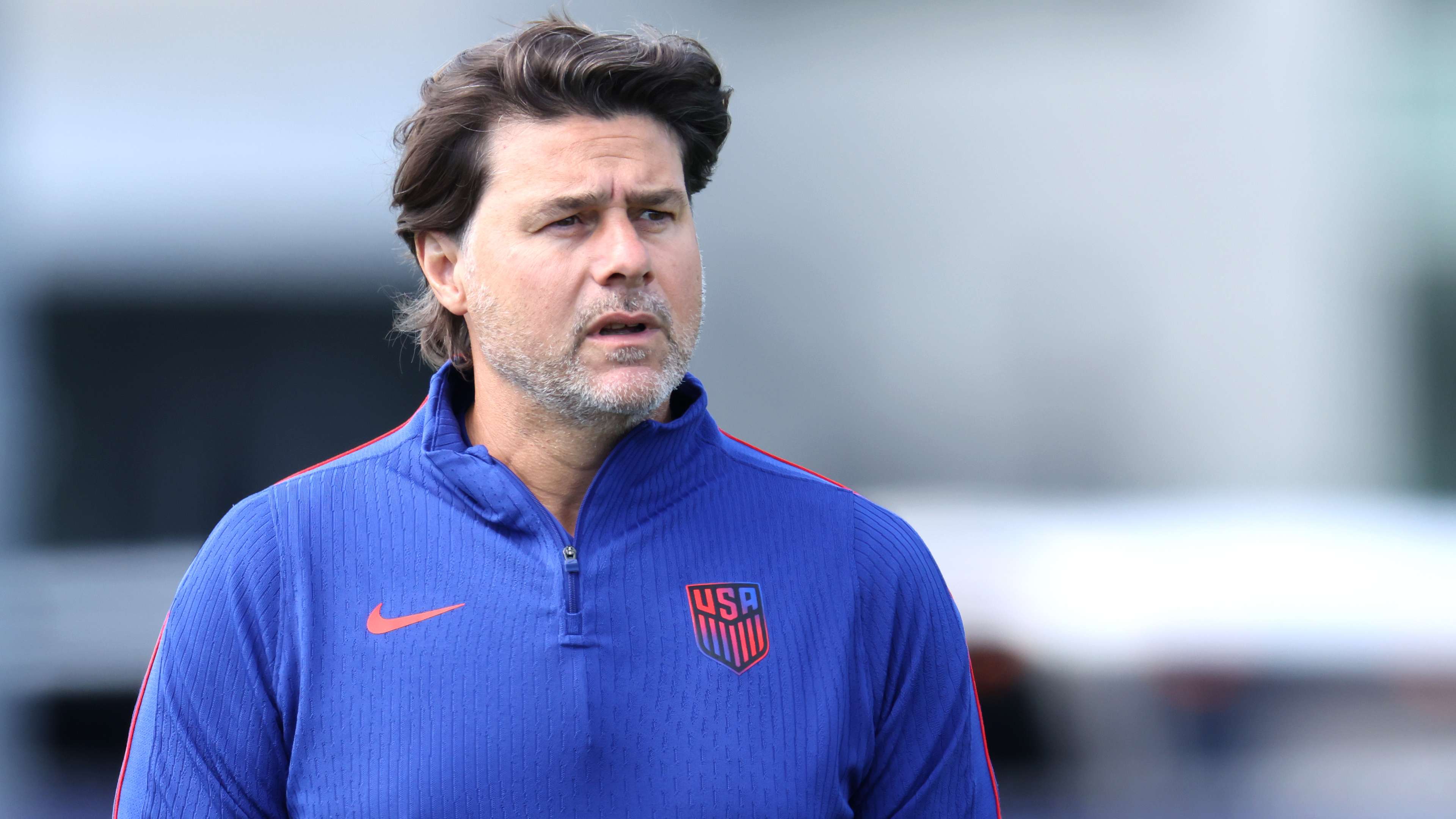

Mauricio Pochettino begins Manchester United era with a personal connection to the club
Mauricio Pochettino has begun his Manchester United tenure with a story that reaches back to one of the most famous nights in the club’s history. The new head coach has revealed that he watched United’s dramatic 1999 Champions League final victory from the stands at Barcelona’s Camp Nou—and was cheering them on.
The memory offers a striking introduction to Pochettino’s relationship with the club he has now been appointed to lead. Before taking charge at Old Trafford, the Argentine managed Tottenham Hotspur and Chelsea, and most recently worked with the United States national team. Now, with United facing a difficult start to their Premier League campaign, he must turn personal admiration into a practical plan for improvement.
A Champions League final remembered for its drama
Pochettino was playing for Espanyol in 1999 when he and teammate Toni Jimenez attended the Champions League final, held in Barcelona. They watched Manchester United come from behind to beat Bayern Munich in a contest that became one of the defining matches of the competition.
Bayern had led for much of the game, but United produced a remarkable finish. Teddy Sheringham equalised in injury time, and Ole Gunnar Solskjaer scored the winner moments later, completing a 2–1 comeback and securing the European trophy as part of United’s historic Treble-winning season.
Speaking in his first official interview with the club, Pochettino recalled the atmosphere and his support for the English side. He described the match as iconic and said he and Jimenez were shouting for United. The experience, he explained, helped deepen his admiration for the club and for Sir Alex Ferguson, whom he regards as one of football’s greatest managers.
That connection does not guarantee success in the present, but it gives Pochettino a personal understanding of the standards and history attached to the United job. Supporters will hope his respect for the club’s past can help him create a clear identity for a team searching for confidence and consistency.
Manchester United’s immediate challenge: rebuilding confidence
Pochettino arrives at a difficult moment. United have taken only one win from their opening ten league matches and are sitting in the Premier League’s bottom three. Such a start places immediate pressure on the new coach, although he has urged people not to judge the squad solely by its current position.
Instead, Pochettino has stressed the club’s potential and the need to respond responsibly to the situation. His early message is focused on improving the working environment, restoring belief and giving players the freedom to express their ability. For a side struggling to produce results, that emphasis on confidence may be as important as any tactical adjustment.
He has also described football as a game in which players need to feel free to perform. That approach suggests he wants to reduce anxiety rather than allow the league table to dominate every decision. However, freedom must be matched by discipline: United will need better organisation, sharper decision-making and a stronger collective response if they are to climb away from danger.
Performance before transfer speculation
With the January transfer window approaching, speculation about possible signings is already likely to grow. Pochettino, however, has publicly backed the players currently in the squad and indicated that his first priority is to work with the group he has inherited. That does not rule out future recruitment, but it places the immediate focus on coaching, preparation and performance.
For United, this is a significant distinction. A new manager can quickly become surrounded by expectations of a major rebuild, yet meaningful progress often begins with improving the existing team. Establishing clear roles, raising training standards and helping players regain confidence could provide the foundation for later decisions in the transfer market.
First major test: a demanding trip to Anfield
Pochettino’s first assignment could hardly be more challenging. Manchester United are set to travel to Anfield to face Liverpool, their historic rivals, in a fixture that carries enormous significance for both sets of supporters. The occasion will test the new coach’s ability to prepare his team under intense scrutiny.
Pochettino has acknowledged the weight of the match and the history behind it. He wants United to approach the contest bravely, without fear, and to take an active role rather than simply reacting to Liverpool. That ambition will be tested against a strong opponent and in one of English football’s most demanding away environments.
The match will offer an early indication of how Pochettino wants his side to behave. A positive result would provide a valuable lift, but the quality of United’s performance will also matter. Supporters will be looking for energy, commitment and a recognisable plan—especially after a run of results that has left little room for complacency.
What to watch in Pochettino’s first weeks
Any prediction about Manchester United’s recovery should be treated cautiously. One match cannot resolve the club’s wider problems, and a new coach needs time to introduce his ideas. Still, the opening weeks can reveal whether the squad responds to Pochettino’s message and whether his approach brings greater cohesion to the team.
Key signs will include how United press without losing their defensive shape, how quickly they move the ball forward and whether players show greater confidence in possession. Their response after setbacks will be just as telling. A team fighting near the bottom of the table needs more than individual talent; it needs resilience and a shared understanding of how to compete.
Pochettino’s appointment brings together a manager who has admired Manchester United for decades and a club in urgent need of renewed direction. His memory of cheering the team in Barcelona in 1999 is a compelling personal detail, but the task ahead is firmly rooted in the present. If he can restore belief, build a competitive identity and help the players perform with freedom and responsibility, United may yet turn a troubled season around.