
Sainz-Maza Questions Mbappé Penalty After Real Madrid Beat Racing Santander
Racing Santander captain Íñigo Sainz-Maza has criticised the decision to award Kylian Mbappé a penalty during his team’s 3–0 defeat to Real Madrid, arguing that the contact shown in replays was not enough to justify a spot-kick. The call became a major talking point after the match, with the midfielder also questioning why VAR did not review the incident more closely.
Real Madrid ultimately secured a comfortable result, but the penalty debate added controversy to a game in which Racing struggled early before showing greater confidence after the break. Sainz-Maza acknowledged the quality of the opposition while maintaining that the decision had gone against his side at a pivotal moment.
Racing captain disputes the penalty decision
Speaking after the final whistle, Sainz-Maza said Racing’s players did not believe the incident involving Mbappé should have resulted in a penalty. He explained that the squad had reviewed the footage several times and saw only slight contact, which, in their view, did not meet the threshold for a foul.
“For us, it cannot be considered a penalty under any circumstances,” Sainz-Maza said. He added that people familiar with football would understand why Racing felt the decision was incorrect.
Penalty calls often generate disagreement because referees must judge not only whether contact occurred, but also its nature, intensity and effect on the attacking player. A light touch does not automatically rule out a foul, just as contact alone does not necessarily mean a penalty should be awarded. The referee’s interpretation of the moment is central, which is why such decisions can remain contentious even after several replays.
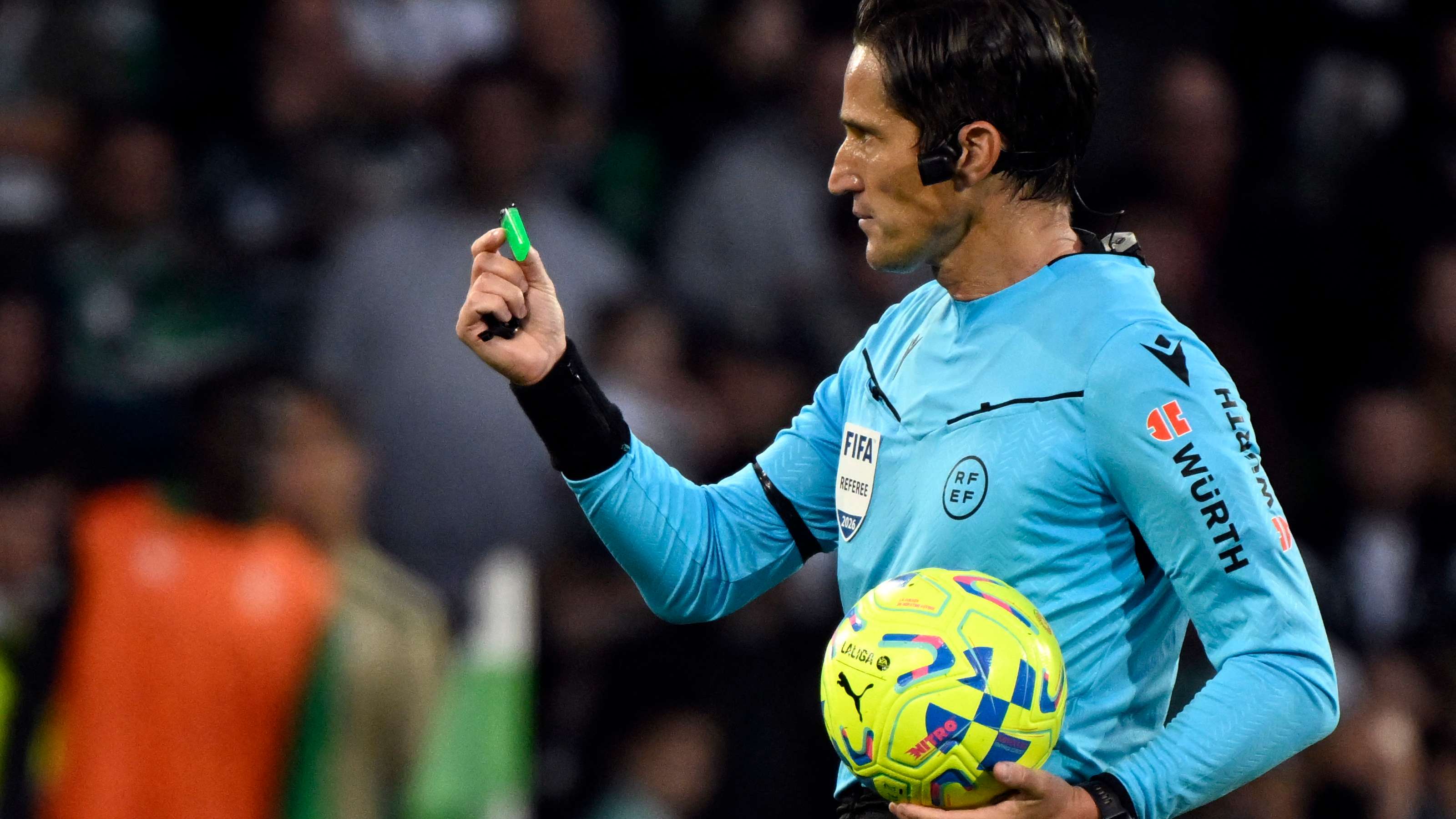
In this case, Racing’s frustration was sharpened by an earlier VAR review involving a penalty awarded to the visitors and later overturned. Sainz-Maza said his team could not understand why the technology appeared to be applied differently to the two incidents. He suggested that if VAR had been able to correct one decision, it should also have assessed the call involving Mbappé.
VAR and consistency remain in focus
The captain did not claim that technology should eliminate every controversial moment. Instead, his comments focused on consistency: when a referee awards a penalty and VAR is available, players and supporters expect the review process to be applied clearly and evenly.
VAR is designed to intervene in specific situations, including possible penalty decisions, when officials believe there may have been a clear and obvious error. However, the process can still leave room for interpretation, particularly when the footage shows contact but does not conclusively settle whether that contact was sufficient to bring down an opponent.
That uncertainty helps explain why the Mbappé penalty became such a prominent post-match issue. Real Madrid were already in control for long periods, but a disputed call can influence the mood of a contest and shape how the losing side remembers it. For Racing, the key complaint was not simply that the referee made a decision they disliked, but that the review process did not appear to offer a second look at the moment.
Racing improved after a difficult first half
Despite his anger over the penalty, Sainz-Maza was measured in his assessment of the performance. He accepted that Real Madrid had been the stronger team in the first half, when the visitors controlled much of the play and limited Racing’s ability to build attacks.
The captain, however, felt his side responded with greater determination after the interval. Racing showed more courage on the ball, asked for possession more often and began to push into Real Madrid’s half with greater purpose. That change in approach helped the hosts reach more promising areas of the pitch and create attacking moments that had been harder to find before the break.
Sainz-Maza pointed to the second-half improvement as evidence that Racing could compete more effectively when they played with confidence. The team’s increased willingness to move forward brought them into dangerous positions, including the incident they believed should have earned them a penalty, as well as several shots and other attempts on goal.
The difference between the two halves offers a useful takeaway for Racing as they continue their season. Against a side with Real Madrid’s technical quality, defending for long stretches can make it difficult to gain momentum. A more assertive approach after half-time gave Racing a better platform, even if it did not change the final scoreline.
Mantilla injury adds to Racing’s concerns
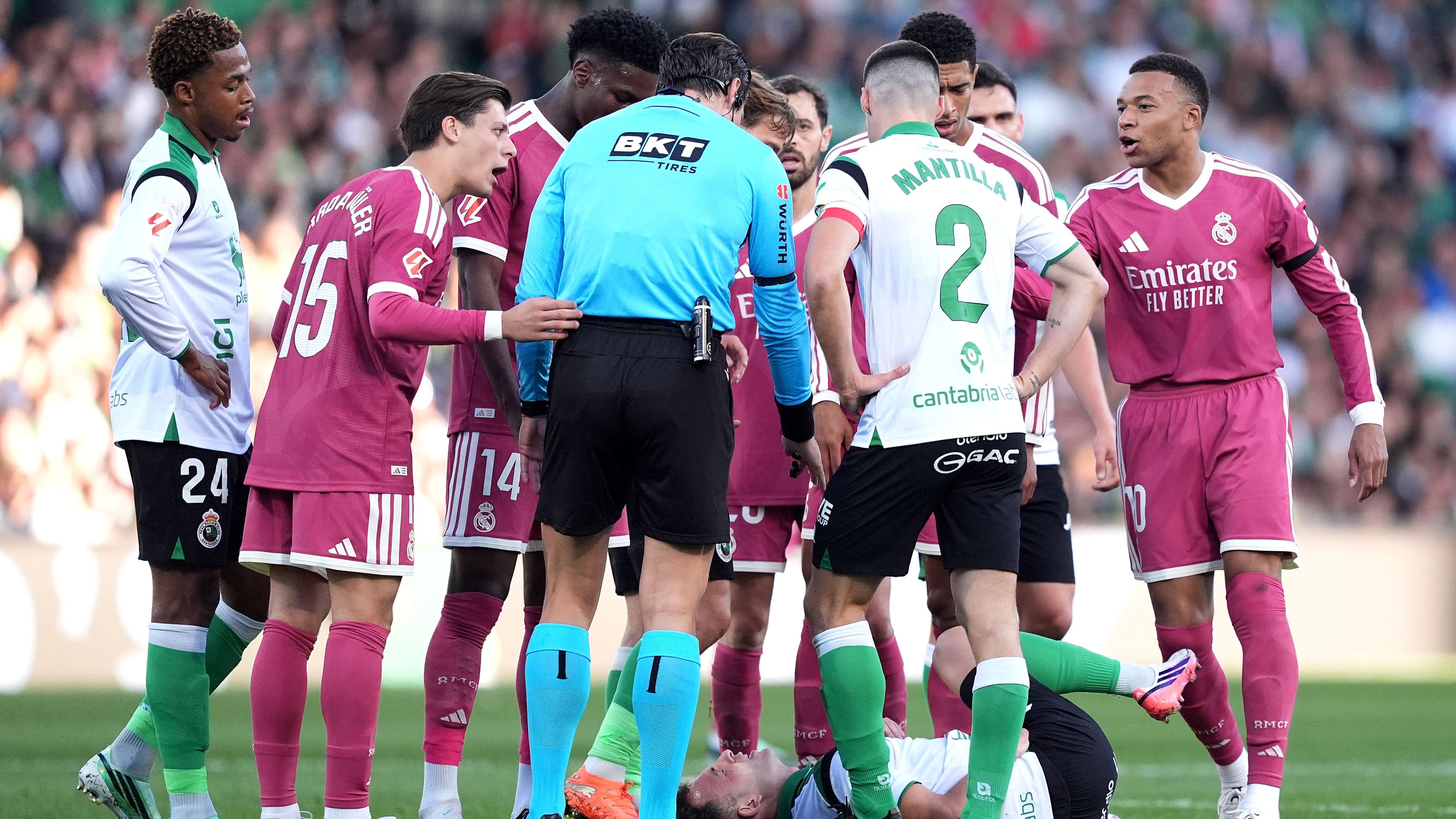
There was also concern for Racing defender Álvaro Mantilla, who was forced off in the 29th minute after appearing to pick up an injury. His early departure disrupted the team’s plans during a demanding fixture and left the captain hoping the problem would prove minor.
Sainz-Maza said he hoped Mantilla’s issue was only a temporary setback, stressing the importance of having the defender available throughout the season. Injuries can be particularly disruptive for teams balancing domestic commitments and a long campaign, making the condition of a regular squad member worth monitoring in the coming days.
Racing will now need to assess Mantilla’s fitness while turning their attention to upcoming fixtures. The team can take encouragement from its stronger second-half display, but it will also need to convert promising spells into sustained pressure and clearer scoring opportunities. That will be an important challenge as the club looks to build consistency against opponents with different styles and levels of experience.
What the result means for the next fixtures
Real Madrid leave with the three points after a 3–0 victory, while Racing are left to reflect on both the disputed penalty and the contrast between their first- and second-half performances. The result underlines the gap in resources and attacking depth between the teams, but Racing’s improved response after the break provides a more positive note for the dressing room.
For supporters searching for a football prediction ahead of the teams’ next matches, this game offers clues rather than guarantees. Real Madrid’s ability to control a contest and take advantage of key moments remains a major strength. Racing, meanwhile, may be more competitive if they can carry their second-half energy into the opening stages of their next fixture and avoid losing important players to injury.
The penalty controversy is likely to continue attracting discussion, particularly around how VAR handles borderline contact and whether similar incidents are judged consistently. But once the debate subsides, Racing’s focus will return to recovery, squad fitness and turning improved performances into results. Sainz-Maza’s comments capture both sides of the night: frustration with a decision he believes was wrong, and recognition that his team showed more character as the match progressed.