
Juventus and Rennes Share Four Goals in Europa League Thriller
Juventus and Stade Rennes played out an entertaining 2-2 draw in Thursday evening’s Europa League clash, with momentum swinging repeatedly before a late VAR decision denied the hosts a dramatic winner. Luciano Spalletti’s side recovered from a first-half deficit through Nick Woltemade’s composed penalty, then thought they had completed the comeback when Jhon Lucumí scored in the 88th minute. However, the goal was ruled out for offside, leaving both teams with a point after a lively contest in Turin.
The result reflected a match in which neither side was short of attacking intent. Juventus made a fast start, Rennes responded effectively, and the visitors showed they could threaten on the counter. For supporters assessing the teams’ European prospects, the performance offered plenty to consider: Juventus created promising chances but were vulnerable at key moments, while Rennes demonstrated resilience and punished mistakes.
Juventus strike early, but Rennes respond
Juventus needed just five minutes to take the lead. Woltemade spotted Zeki Çelik’s run and played the Turkish defender into space. Çelik kept his composure when faced with goalkeeper Brice Samba, finishing coolly to put the home side 1-0 ahead and give the Allianz Stadium an early lift.
Rennes did not allow the setback to disrupt their approach. Ten minutes later, Mousa Al Tamari met Brandon Reynolds’s cross and beat Federico Gatti to the ball, directing his finish beyond Guglielmo Vicario to level the score. The equaliser underlined the visitors’ willingness to attack quickly and use the width of the pitch, rather than retreating into a defensive shape after conceding.
Juventus immediately looked for another goal. Gatti rose to meet a delivery, but Samba reacted well to keep out his header. Weston McKennie then came close to restoring the hosts’ advantage. Samba saved the American midfielder’s first attempt, and McKennie struck the post with the rebound as Juventus were left frustrated by a sequence that could easily have changed the match.
Rennes also had opportunities. Vicario was called upon to deny a dangerous effort from Mahamadou Nagida, keeping the score level during a spell when both teams were finding space in the final third. The game’s open rhythm made it difficult to identify a clear favorite, and each attack seemed capable of producing another major moment.
Penalty gives Rennes a half-time advantage
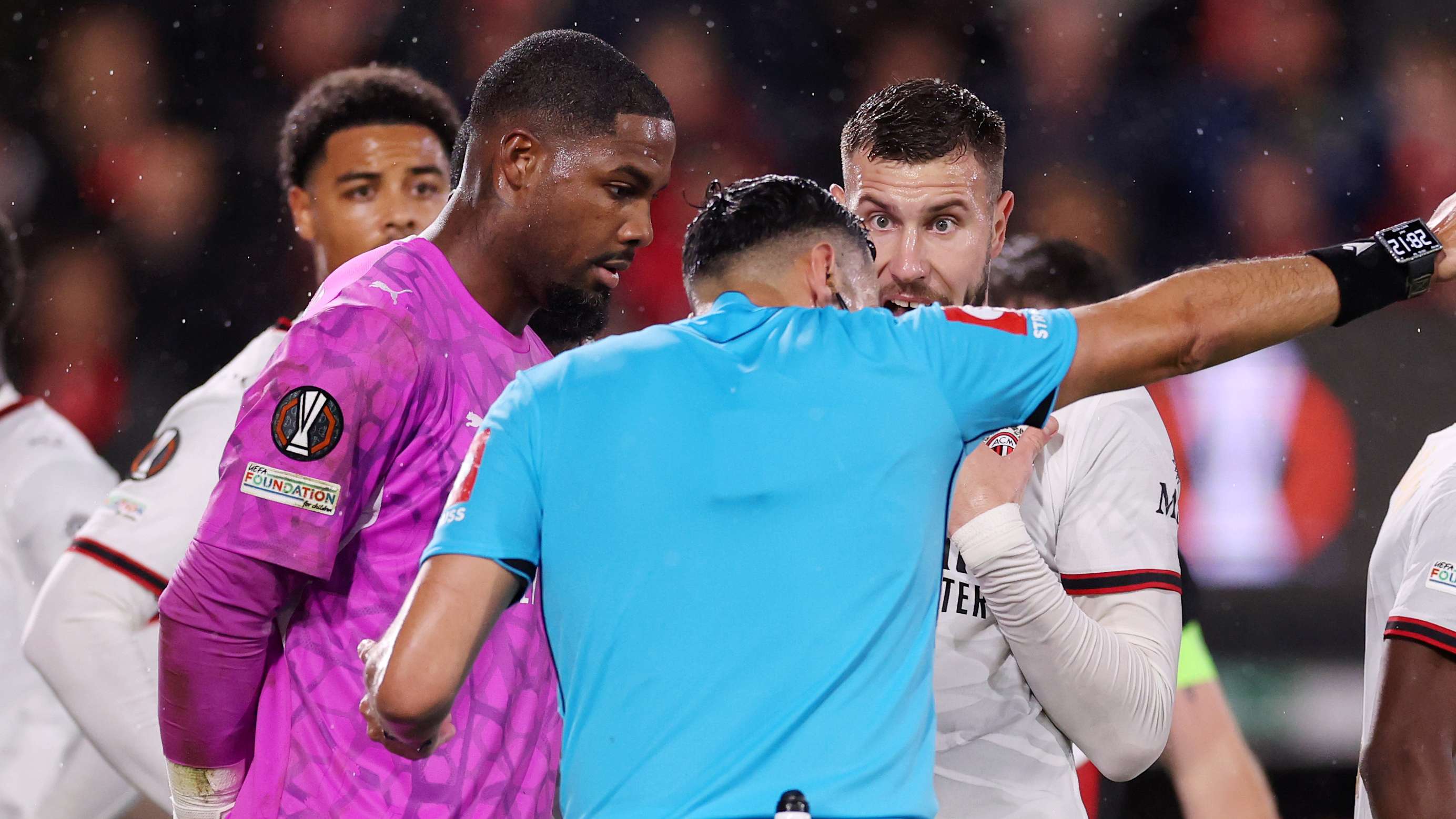
The visitors found a way to take the lead just before the interval. A handball inside the Juventus penalty area prompted referee Morten Krogh to point to the spot, and a VAR review confirmed the decision. Boulaye Dia stepped forward and sent Vicario the wrong way from 12 yards, making it 2-1 to Rennes.
The goal changed the mood inside the stadium. Juventus had started strongly and created chances to go ahead, but instead went into the break trailing. The home side faced audible frustration from the crowd, while Rennes could take confidence from both their equaliser and their ability to exploit a decisive error.
Rennes remained dangerous after half-time. Al Tamari tested Vicario again, and the goalkeeper’s intervention prevented the visitors from extending their lead. Juventus had more possession, but they needed to turn that control into clearer chances if they were to avoid a damaging home defeat.
Spalletti’s changes help Juventus recover
Spalletti responded by adjusting his team after about an hour, replacing Gatti with Nicolás González and moving Juventus into a 4-2-3-1 formation. The change gave the hosts a different attacking structure and helped them apply pressure higher up the pitch. Juventus still had to be alert to Rennes’ counterattacks, but the tactical switch gave them greater support between midfield and the forward line.
The equaliser arrived from the penalty spot in the 67th minute. Reynolds was penalised for handball, giving Juventus the chance to draw level. Randal Kolo Muani appeared ready to take the kick, but Woltemade took possession of the ball and made clear that he wanted to assume responsibility. Kolo Muani accepted the decision, and the two players exchanged a brief moment before the penalty was taken.
Woltemade showed composure under pressure, converting from the spot to make it 2-2. The goal gave Juventus a renewed sense of belief, and Kolo Muani joined his teammates in celebrating with the scorer. The episode also offered a glimpse of the confidence within the squad: Woltemade was willing to take a high-stakes kick, while his teammate’s support helped keep the focus on the team’s response.
Lucumí’s late goal ruled out by VAR
With the match level, Juventus pushed for a winner. Spalletti sent on further attacking options, including Jérémie Boga and Lucumí, as the hosts increased the pressure in the closing stages. Their persistence appeared to pay off in the 88th minute, when a poorly cleared set piece fell into Lucumí’s path.
Lucumí finished through Abdelhamid Aït Boudlal, sparking celebrations around the Allianz Stadium. For a moment, Juventus seemed to have completed a remarkable turnaround. VAR, however, identified an offside infringement in the build-up and the goal was disallowed. The decision cut short the home crowd’s celebrations and preserved the 2-2 scoreline.
The late review was the defining moment of the match, but the draw was shaped by far more than one decision. Juventus will point to McKennie’s missed opportunity, the penalty conceded before half-time and the disallowed late goal as moments that could have produced a different outcome. Rennes, meanwhile, can take encouragement from their attacking response and the discipline they showed while defending under pressure.
Europa League outlook and match prediction takeaways
For football fans looking ahead to the teams’ next fixtures, this result offers useful clues but no simple prediction. Juventus showed they can recover from adversity and create chances through different phases of play, yet their defensive concentration will need attention. Rennes demonstrated that they can trouble a major opponent with direct, coordinated attacks, though they also had to withstand sustained pressure late in the game.
Ultimately, the 2-2 draw felt like a fair reflection of an unpredictable European night. Juventus had the energy and late pressure to win, while Rennes had enough quality to make the hosts pay for their mistakes. The disallowed Lucumí goal ensured neither side left with all three points—and left supporters with plenty to debate before the teams return to action.