
beIN Sports Apologises After Journalist’s On-Air Remark About Aryna Sabalenka
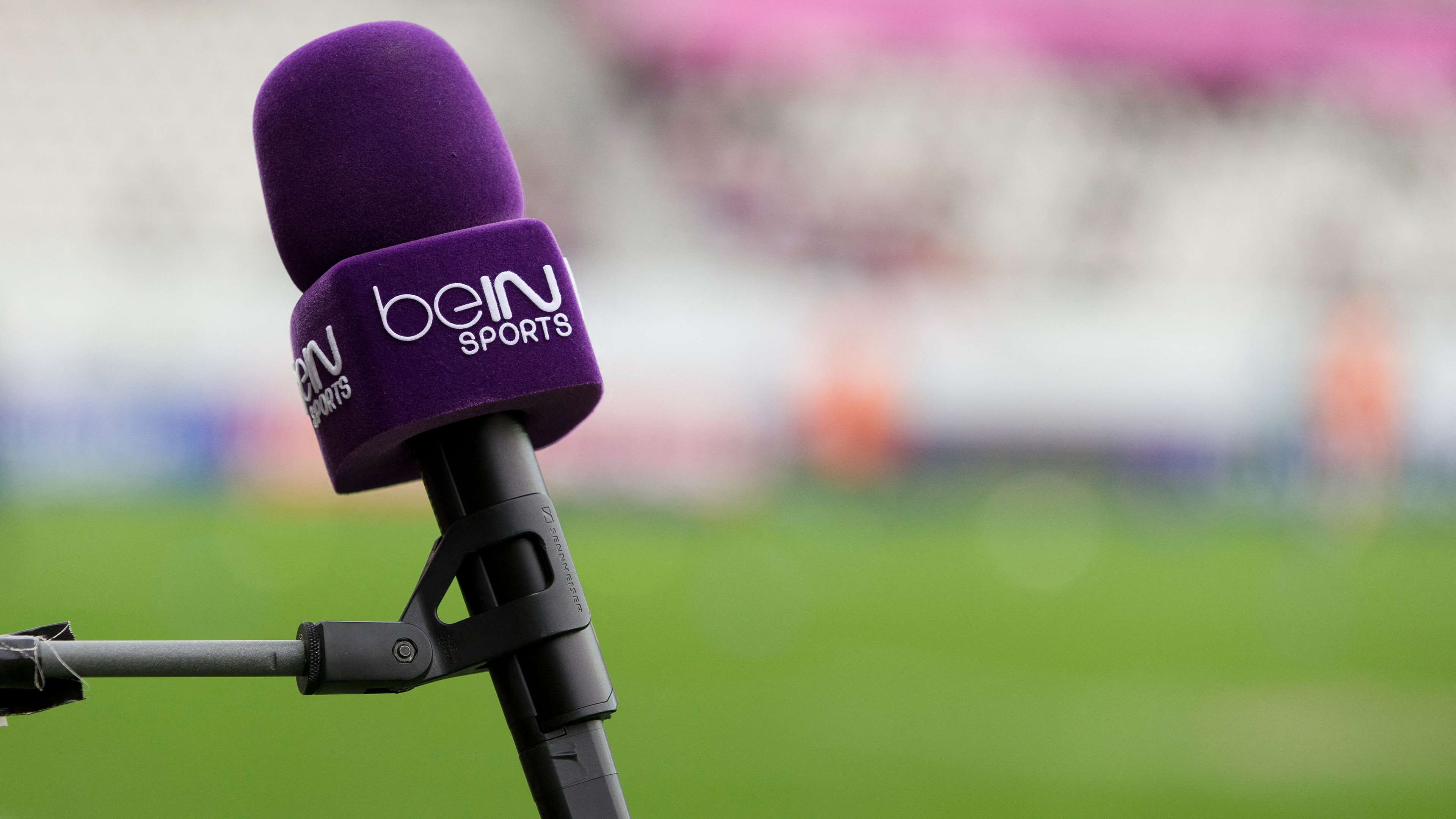
beIN Sports has apologised after a journalist was heard making an inappropriate comment about tennis star Aryna Sabalenka during a live broadcast of the WTA Finals in France. The remark, which appeared to be an off-air conversation accidentally picked up by a microphone, quickly circulated on social media and prompted criticism of the broadcaster.
The incident unfolded during a promotional segment featuring Sabalenka, the Belarusian player and world number two. As the camera focused on her blowing a kiss towards the lens, journalist Matthieu Soulier could be heard speaking in the background. He appeared unaware that his microphone was live.
“Look, look, look, she’s terrible,” Soulier said, according to a clip shared online. The brief exchange was enough to trigger an immediate response from viewers, who questioned the remark and the standards expected of sports broadcasters covering elite athletes.
Social Media Reaction and Broadcaster Response
One viewer posted the footage on social media, describing the comments as “shameful” and tagging France’s broadcasting regulator. The user also alerted Florent Houzot, beIN Sports France’s director of broadcast operations, programming and editorial.
Houzot responded on behalf of the channel, issuing an apology and condemning what had been said. “I am sorry and strongly condemn the statements made live on air this evening during the broadcast of the WTA Finals,” he wrote.
He added that the comments did not represent the broadcaster’s values and reaffirmed its commitment to treating athletes and programme contributors with respect. Soulier had not publicly commented on the controversy at the time of reporting.
Why the Incident Matters Beyond One Broadcast
Live television leaves little room to correct an unexpected microphone error before viewers hear it. While the remark was brief, its broadcast raised broader questions about production safeguards, professional conduct and the way athletes are discussed when cameras are rolling. Broadcasters typically rely on careful microphone management, communication between studio teams and editorial oversight to prevent private conversations from reaching the audience.
The incident also highlights how quickly a moment on television can become a wider public issue. Viewers can record and share live footage within seconds, while athletes, journalists and media organisations are increasingly held accountable in real time. An apology can acknowledge the harm, but it may not immediately end scrutiny—particularly when the person at the centre of the comment has yet to respond.
Sabalenka’s Profile and the WTA Finals Spotlight
Sabalenka is one of the most recognisable figures in women’s tennis, known for her powerful game and regular presence near the top of the world rankings. The WTA Finals brings together the leading players of the season, making it a major event for fans and broadcasters alike. Its high-profile setting means coverage is watched closely, from match analysis and tournament predictions to the presentation of players during promotional segments.
For audiences following the tournament, the focus should remain on the competition: the players’ form, tactical matchups and the tennis that determines the results. But incidents involving on-air conduct can quickly shift attention away from the sport. That is especially true when a comment appears to target an athlete personally rather than contribute to coverage of her performance.
Sabalenka’s appearance in the promotional clip was a routine part of the broadcast, but the background remark changed the tone of the moment. The episode is a reminder that athletes are not simply subjects of televised entertainment; they are professionals whose work deserves the same basic respect expected in any workplace.
Timing Adds Pressure for beIN Sports
The controversy arrived at an awkward moment for beIN Sports. Just one day earlier, the broadcaster announced a multi-year agreement to show the ATP Tour in France. That deal represents a significant commitment to tennis coverage and places the channel in a stronger position within the sport’s broadcast landscape.
With that expanded role comes greater visibility—and greater responsibility. Viewers expect a broadcaster to deliver compelling coverage while maintaining professional standards across live matches, interviews and studio segments. The apology from Houzot was a prompt attempt to distance the organisation from the remark, but the episode may also encourage questions about how the channel will prevent similar incidents in future.
What Happens Next?
For now, the immediate response has been an apology from beIN Sports and public condemnation from a senior executive. Whether Soulier addresses the incident remains to be seen. The broadcaster may also face further questions from viewers and, potentially, the regulator after the clip was brought to its attention.
There is no indication from the available information that the comment affected the tournament itself or Sabalenka’s participation. Still, the episode has become a talking point alongside the usual tennis discussion, including player form, match prediction and the pressure of competing against the season’s best.
Ultimately, the incident underscores a simple but important point: live sports coverage depends not only on accurate analysis and strong production, but also on the professionalism of everyone involved. beIN Sports has acknowledged that the remark fell short of its stated values. The next test will be ensuring that those values are reflected consistently in its coverage of tennis and other sports.