
Spanish Athletics Mourns Long Jumper Julieta Gallego After Fatal Train Collision
Spanish athletics is grieving the loss of one of its promising young competitors after long jumper Julieta Gallego died at the age of 24 in a deadly train collision in the province of Toledo. Her death has prompted tributes from the national athletics community, with teammates, officials and supporters remembering a dedicated athlete whose sporting future held considerable promise.
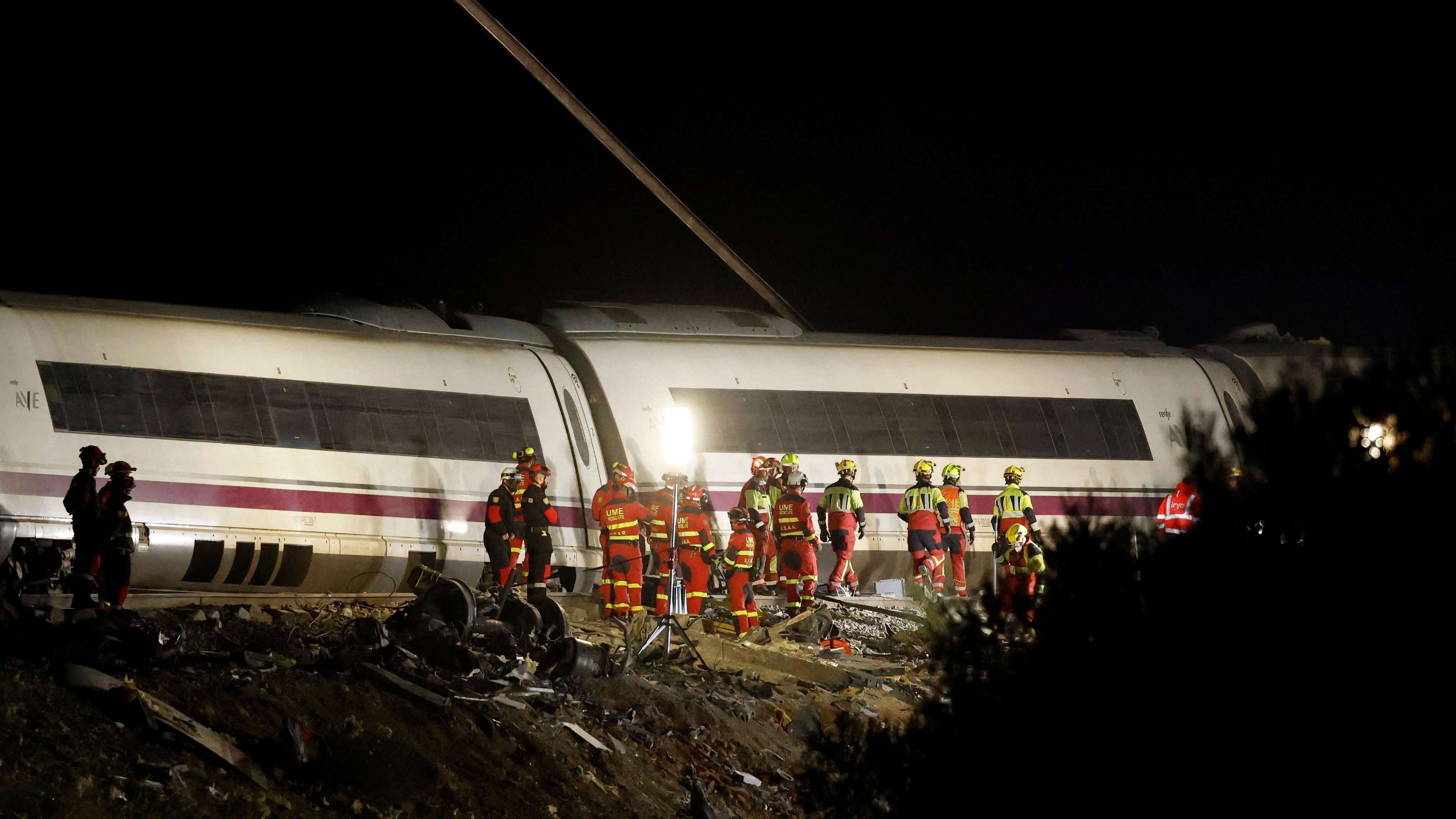
Gallego was among the victims of a crash near Urda involving two high-speed trains travelling on a route connecting Madrid with southern Spain and the Andalusia region. At least 69 people were reported dead in the disaster. The collision has brought renewed attention to rail safety, while its human toll has been felt far beyond the communities directly affected.
Spanish athletics federation pays tribute
The Royal Spanish Athletics Federation (RFEA) expressed its sorrow in a statement shared on X. The organisation said the athletics community stood alongside Gallego’s family, friends and club following the tragedy.
“The Spanish athletics family shares its deep sorrow at the passing of Julieta Gallego, an athlete of the AD Sprint club, following the tragic train accident in Urda,” the federation said. It also conveyed its “full support” to those closest to her.
The statement reflected the close-knit nature of athletics, where athletes often compete against one another while sharing training environments, championships and a common commitment to their sport. For those who knew Gallego through competition, her death is not simply the loss of a talented long jumper; it is the loss of a teammate and a young person whose life extended well beyond the track.
A rising talent in Spanish long jump
Gallego represented Madrid-based AD Sprint and regularly took part in Spanish club championships. She recorded a personal best of 5.90 metres at a meeting in Antequera in 2023, a mark that demonstrated her ability and reflected years of preparation in a technically demanding event.
Long jump combines speed, timing and precision. Competitors build momentum along the runway before taking off from a narrow board, then aim to land as far into the sand pit as possible. A personal best is more than a measurement: it captures the result of training, coaching and repeated efforts to improve. Gallego’s 5.90-metre performance remains a lasting record of her achievement in the sport.
While the available reports do not provide a detailed account of her full competitive record, her regular presence at club championships suggests she was an active part of Spain’s athletics circuit. Club competitions play an important role in developing athletes, offering opportunities to gain experience, test progress and contribute to a team. For emerging competitors, each season can be a step toward higher-level events and new goals.
“A promising life” remembered
RFEA president Raul Chapado spoke of the profound impact of Gallego’s death on the sporting community. In comments to Spanish newspaper ABC, he described the tragedy as one that “strikes the heart of the athletics family.” He added that Gallego had a promising life ahead of her, one that had been “unjustly cut short.”
Chapado’s words capture the particular sorrow surrounding the death of a young athlete. At 24, Gallego was at an age when many competitors are still developing their technique, building experience and setting new targets. Her personal best offered a snapshot of what she had achieved, but it could not show what might have followed: future competitions, personal milestones and the ordinary moments of life beyond sport.
For fans searching for a football prediction or the latest sports results, news of this kind is a reminder that sport is about more than fixtures, rankings and records. The same sporting communities that celebrate victories also come together in grief, offering support when a tragedy affects one of their own. Gallego’s story has resonated across Spanish sport because it speaks to the human connections behind every competition.
Community support after the Urda disaster
The train collision near Urda has left families and communities facing immense loss. Gallego’s death is one part of a wider tragedy involving passengers whose lives were disrupted or ended in the crash. As authorities and those affected respond to the aftermath, tributes to the victims have underscored the importance of compassion, support and accurate information.
The RFEA’s message focused on Gallego’s family, friends and AD Sprint teammates, who now face the difficult task of mourning while the wider investigation and recovery efforts continue. In moments like these, statements of solidarity cannot undo the loss, but they can remind grieving people that they are not alone.
Gallego will be remembered for her commitment to athletics, her place within the AD Sprint club and the 5.90-metre jump she achieved in Antequera. Most of all, she will be remembered as a young woman whose future held possibility. Spanish athletics has lost one of its promising talents, and the thoughts of the sporting community remain with everyone affected by the fatal collision.