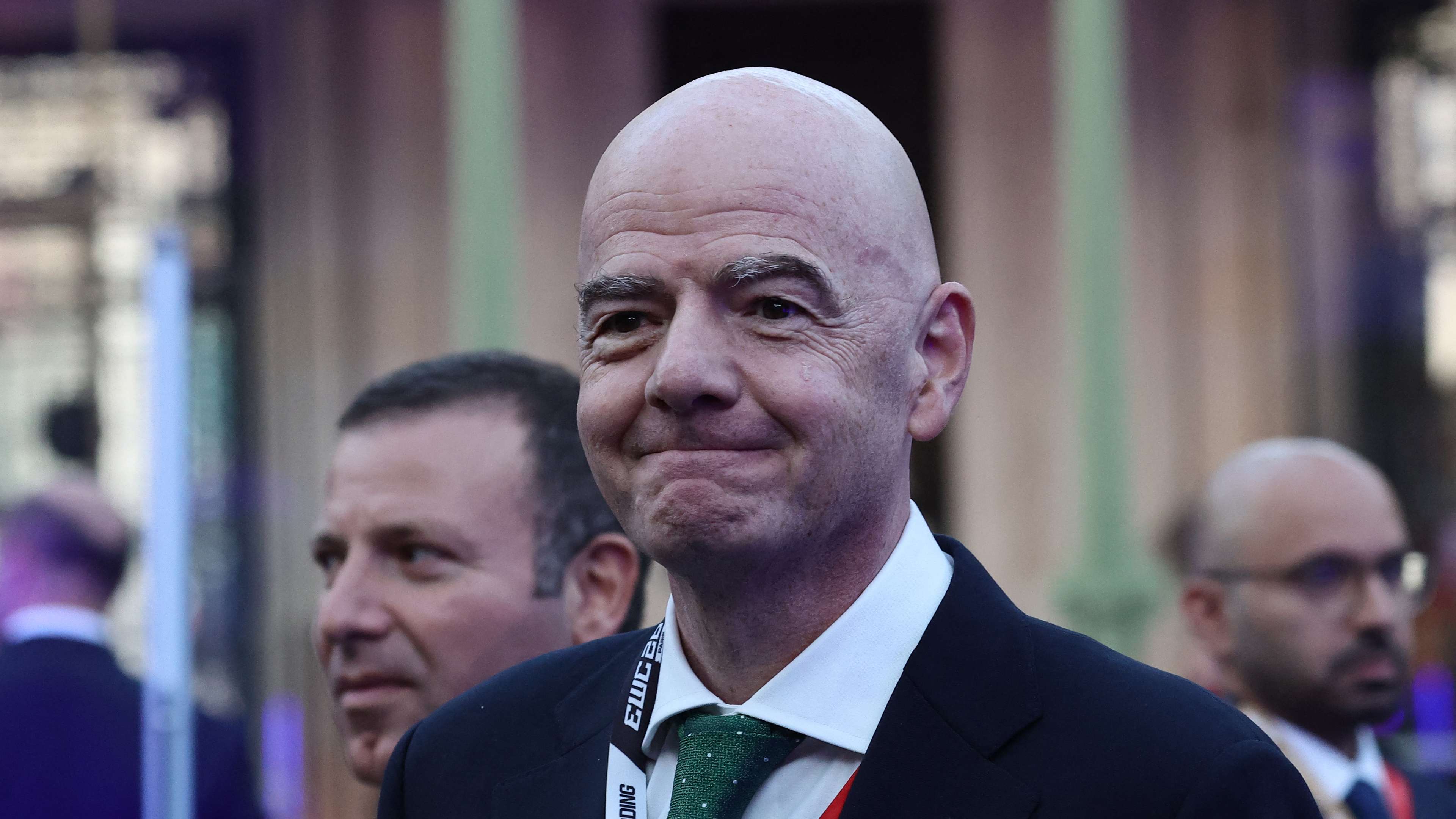

European Football Federations Intensify Pressure on FIFA President Gianni Infantino Amid Growing Governance Crisis
The world of international football is once again at a crossroads as leading European football federations publicly challenge the authority and governance practices of FIFA, the sport’s global governing body. This mounting pressure, centered around concerns over transparency, democratic processes, and commercial influence, underscores a broader crisis that threatens the integrity and future of the beautiful game.
European Federations Voice Concerns: Finland, Sweden, and Denmark Lead the Charge
In a decisive move, the federations of Finland, Sweden, and Denmark have jointly submitted an official letter to European Commissioner Glenn Micallef, highlighting their deep concerns regarding recent developments within FIFA. The correspondence, dated Wednesday, signals a unified stance from these nations—each a significant player in European football—calling for increased cooperation between European institutions and national federations to safeguard the sport’s foundational values.
The letter, signed by Ari Lahti (Finnish Football Federation President), Jesper Møller (Danish Football Association President), and Simon Åström (Swedish Football Association President), articulates a clear vision rooted in the principles of the European sporting model. This model emphasizes open governance, merit-based competition, democratic participation, and economic solidarity—values that many argue are under threat from recent FIFA initiatives.
The Core of the Controversy: Governance, Transparency, and Private Capital
At the heart of the protests lies FIFA’s controversial “FIFA Forward Enterprise,” a commercial project designed to attract private-sector investors into the organization’s competitions and business activities. Although FIFA has since withdrawn the initiative amid criticism, the federations stress that the underlying issues persist.
Critics argue that the project exemplified the increasing influence of private capital at the expense of transparent, democratic decision-making processes. Concerns include a lack of proper consultation, opaque procedures, and the potential for private interests to shape the future of world football—raising fundamental questions about control and governance at the highest levels.
“While the plan has been withdrawn, the questions it raised remain unanswered,” the federations warn. They contend that FIFA’s push toward privatization risks undermining the sport’s core values, creating a dangerous precedent for commercial interests to dominate the governance landscape.
Double Standards: Demanding Transparency from Clubs and Leagues, but Not from FIFA?
The federations highlight a paradox in FIFA’s approach: the organization insists on transparency, integrity, and democratic accountability from clubs, leagues, and national federations, yet it appears to fall short at the global governing level. This inconsistency fuels concerns that FIFA’s decision-making processes lack the necessary checks and balances to ensure fair and accountable governance.
In their statement, the federations emphasize that “decisions of major importance to world football cannot be made without the proper involvement of FIFA’s elected bodies and its member federations.” This call for inclusiveness and democratic legitimacy is viewed as essential to maintaining the sport’s integrity and public trust.
Seeking Dialogue: Proposal for a Meeting in Brussels
In a proactive move, the three federations have formally requested a meeting with Commissioner Micallef and his team in Brussels. Their goal is to discuss recent developments within FIFA, explore avenues for closer cooperation, and reinforce the importance of safeguarding the European football model.
This initiative echoes past efforts, notably the collaborative response to the European Super League crisis in 2021, when European federations and policymakers united to prevent the breakaway league from destabilizing the sport’s traditional structure. The federations believe that ongoing dialogue remains crucial, especially in light of recent controversies.
The Broader Implications: What This Means for the Future of Football
This confrontation signals a pivotal moment for international football governance. As European federations push for greater oversight and transparency, questions about the balance of power, commercial influence, and democratic legitimacy within FIFA are coming to the forefront.
Many experts and fans alike are now debating prediction scenarios: Will FIFA respond with reforms to address these concerns? Could this lead to a reconfiguration of power dynamics at the top of world football? Or might it spark further divisions within the sport’s global community?
Expert Insights and Predictions
Football analysts suggest that the current crisis might catalyze significant changes in how FIFA operates. A possible outcome is a push toward more inclusive governance, with increased involvement from national federations and regional bodies. Alternatively, persistent resistance from FIFA’s leadership could deepen the divide, leading to increased calls for reform or even alternative governance models.
Furthermore, the pressure from European federations could influence future FIFA policies, especially concerning commercial ventures and private investments. The overarching prediction is that transparency and democratic participation will become non-negotiable standards moving forward, shaping the future of football governance globally.
The Role of Fans and the Global Football Community
While the ongoing dispute centers around institutional governance, fans remain at the heart of the sport’s identity. Many supporters advocate for a football world where integrity, fairness, and sporting merit are paramount. The current crisis serves as a reminder that the sport’s soul is rooted in its community and values, not just commercial interests.
In the digital age, where information spreads rapidly and predictions are shared widely, the global football community has a unique opportunity to influence the direction of the sport. Engaged fans and stakeholders can support reforms that prioritize transparency, democratic decision-making, and the preservation of football’s cultural and sporting essence.
Conclusion: A Critical Juncture for International Football
The recent actions by Finland, Sweden, and Denmark mark a significant moment in the ongoing struggle for good governance within international football. Their call for dialogue, transparency, and adherence to democratic principles highlights the need for a balanced approach—one that respects the sport’s traditions while embracing necessary reforms to ensure its integrity for generations to come.
As the world watches closely, the decisions made in the coming months could redefine the landscape of football governance, influence prediction models for the sport’s future, and determine whether the game’s core values will endure in an ever-changing commercial environment.
Stay tuned to our coverage for the latest developments and expert analysis on how this evolving story will shape the future of football worldwide.