
Controversial Moments and Intense Predictions: Norway’s Defeat to Portugal Sparks Debate in the UEFA Nations League
The UEFA Nations League continued to deliver thrilling football action over the weekend, with Portugal edging out Norway in a hard-fought 2-1 victory that kept fans on the edge of their seats. However, amid the excitement and strategic predictions surrounding the match, a heated incident in the final moments has ignited controversy and raised questions about player conduct and sportsmanship on the international stage.
Portugal Claims a Valuable Win in a Tense Encounter
On Sunday, football fans witnessed an intense clash between two European heavyweights—Portugal and Norway—where the hosts managed to secure a crucial victory that could influence their prospects in the UEFA Nations League standings. Portugal, renowned for their tactical discipline and attacking flair, took an early lead, but Norway responded with resilience, leveling the score before ultimately conceding the decisive goal in the final minutes.
While the match was largely a showcase of skill, tactical discipline, and competitive spirit, the narrative was overshadowed by an incident that is now the subject of widespread debate among pundits, fans, and football authorities alike. The incident involved a late tackle that many are calling reckless and dangerous, sparking a broader conversation about sportsmanship, player safety, and the importance of maintaining professionalism during high-stakes international fixtures.
The Incident That Stoked the Flames of Controversy
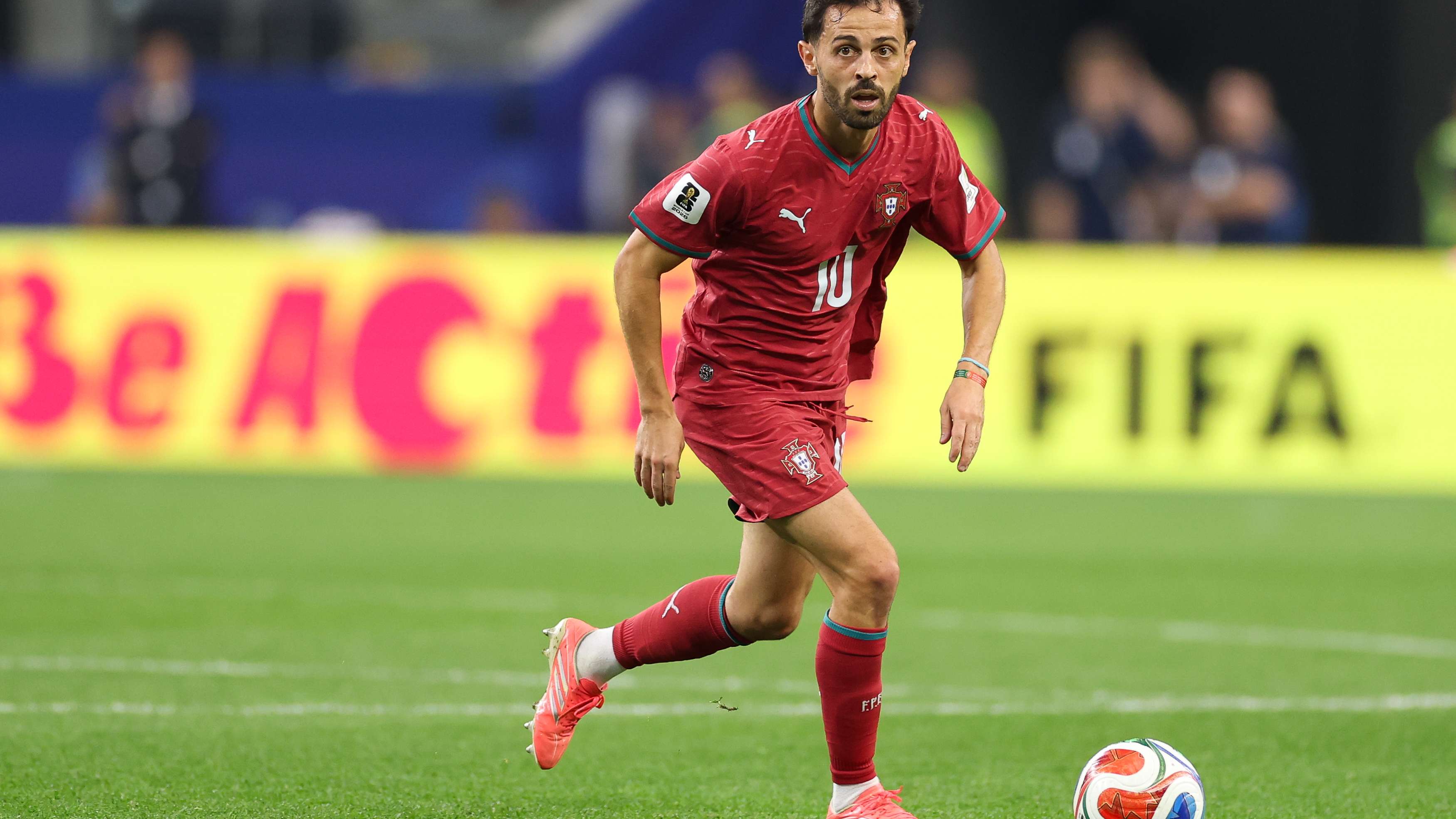
According to detailed reports from the Spanish sports newspaper “AS”, the final moments of the game saw a violent and unnecessary challenge by Portugal’s Bernardo Silva on Norway’s captain, Martin Ødegaard. Silva, a talented attacking midfielder known for his agility and vision, had come on as a substitute in the 87th minute, replacing Nuno Mendes. As the game entered its final stages, Silva’s actions drew sharp criticism after a late, aggressive tackle that appeared to be aimed not at regaining possession but at intentionally inflicting harm.
With the ball played away from the incident, Silva pressed forward and struck Ødegaard from behind, knocking him to the ground. The Norwegian captain, renowned for his composure and leadership, immediately expressed his displeasure, confronting Silva on the pitch before heading to the sidelines visibly limping and visibly angry. The incident not only disrupted the flow of the game but also raised serious concerns about disciplinary standards in international football.
Reactions from Norway’s Captain and the Football Community
Post-match, Martin Ødegaard did not hold back in expressing his frustration. Speaking to the media, he revealed that he had sustained an ankle injury during the incident, raising fears about his availability for upcoming fixtures. “I took a blow to my ankle. Maybe I won’t be okay tonight,” he said, visibly upset. “It was crazy, he lost his temper over a pointless piece of play. He knocked me to the ground long after I had passed the ball. I don’t understand what he was trying to do.”
Ødegaard’s comments resonated across the football community, prompting criticism of Silva’s conduct. Norway’s other key players, including Patrick Berg, echoed the captain’s sentiments, describing Silva’s tackle as “a horrible act” and “completely unnecessary.” Berg emphasized, “It was a deliberate tackle, a kick that had no place on a football pitch.”
Similarly, Jens Sjølederup, a Benfica forward and teammate of Silva, acknowledged that while football often involves tough tackles, the late and harsh nature of the challenge was unacceptable. “It’s part of the game, yes, but this was a late and rough tackle. Sometimes referees can’t see everything, but players need to show respect,” he remarked from the mixed zone.
Bernardo Silva’s Response and Broader Implications
In the aftermath of the incident, Bernardo Silva, the Portuguese midfielder involved in the challenge, offered a brief and somewhat ambiguous response. When questioned about the tackle, Silva simply replied, “It’s football, my friend.” His comment, coupled with a reportedly tense exchange with former Manchester City teammate Erling Haaland—a Norway striker—has added fuel to the controversy. The handshake or greeting at the end of the match was reportedly cold, hinting at lingering tensions between players.
This incident has sparked widespread debate about the nature of competitive football and the fine line between aggressive play and unsportsmanlike conduct. Experts and pundits are now predicting that this moment could have repercussions for Silva’s disciplinary record and may influence refereeing standards in upcoming matches. It also raises questions about how UEFA and other football governing bodies will handle such incidents, especially considering the increasing focus on player safety and fair play.
Why Such Incidents Matter in the Context of Football Predictions and Strategy
In the realm of football predictions, analyzing player behavior and match dynamics is crucial. Incidents like Silva’s late tackle can significantly influence team morale, player confidence, and even future tactical approaches. For bookmakers and analysts, understanding the psychological impact of such moments adds an extra layer of depth to prediction models, especially in high-stakes tournaments like the UEFA Nations League.
Furthermore, these moments often serve as pivotal turning points in matches—either galvanizing a team to rally or causing disarray. For fans and betting enthusiasts, staying updated on player conduct and disciplinary actions is vital for making accurate predictions about match outcomes, especially when emotional and physical intensity reaches its peak.
Looking Ahead: What This Means for International Football
The controversy surrounding the Silva-Ødegaard clash underscores the ongoing challenges faced by football authorities in balancing competitive spirit with sportsmanship. As the sport continues to evolve, so too does the emphasis on fair play and player conduct, with referees under increasing pressure to enforce disciplinary measures consistently.
For fans of football prediction and analysis, this incident serves as a reminder that the sport is not just about tactics and skills but also about the integrity and conduct of the players. The focus now shifts to how UEFA will address such situations—whether through fines, suspensions, or other disciplinary actions—to uphold the standards of the beautiful game.
Final Thoughts: The Impact on Fans and Future Fixtures
While the immediate reaction to the incident was one of disappointment and concern, it also highlights the passion and intensity that make football the world’s most beloved sport. As both Portugal and Norway prepare for upcoming fixtures, the focus will be on how these events influence team dynamics and match predictions.
For fans and analysts, staying informed about such incidents is essential for accurate football predictions and understanding the broader context of international competitions. Ultimately, the incident serves as a stark reminder that while football is a game of skill and strategy, it is also a battleground of emotions—where sportsmanship must always prevail.
As the UEFA Nations League continues to unfold, all eyes will be on how players, teams, and governing bodies respond to this controversy, shaping the future of football and its global appeal.