
Jens Wissing Explains Richard Rios’ Surprise Centre-Back Role in Al-Ittihad Win
Al-Ittihad head coach Jens Wissing has defended his decision to use Colombian midfielder Richard Rios at centre-back during the Tigers’ 2-0 victory over Al-Diriyah, saying the change was a response to the match situation rather than a sign of distrust in his younger defenders.
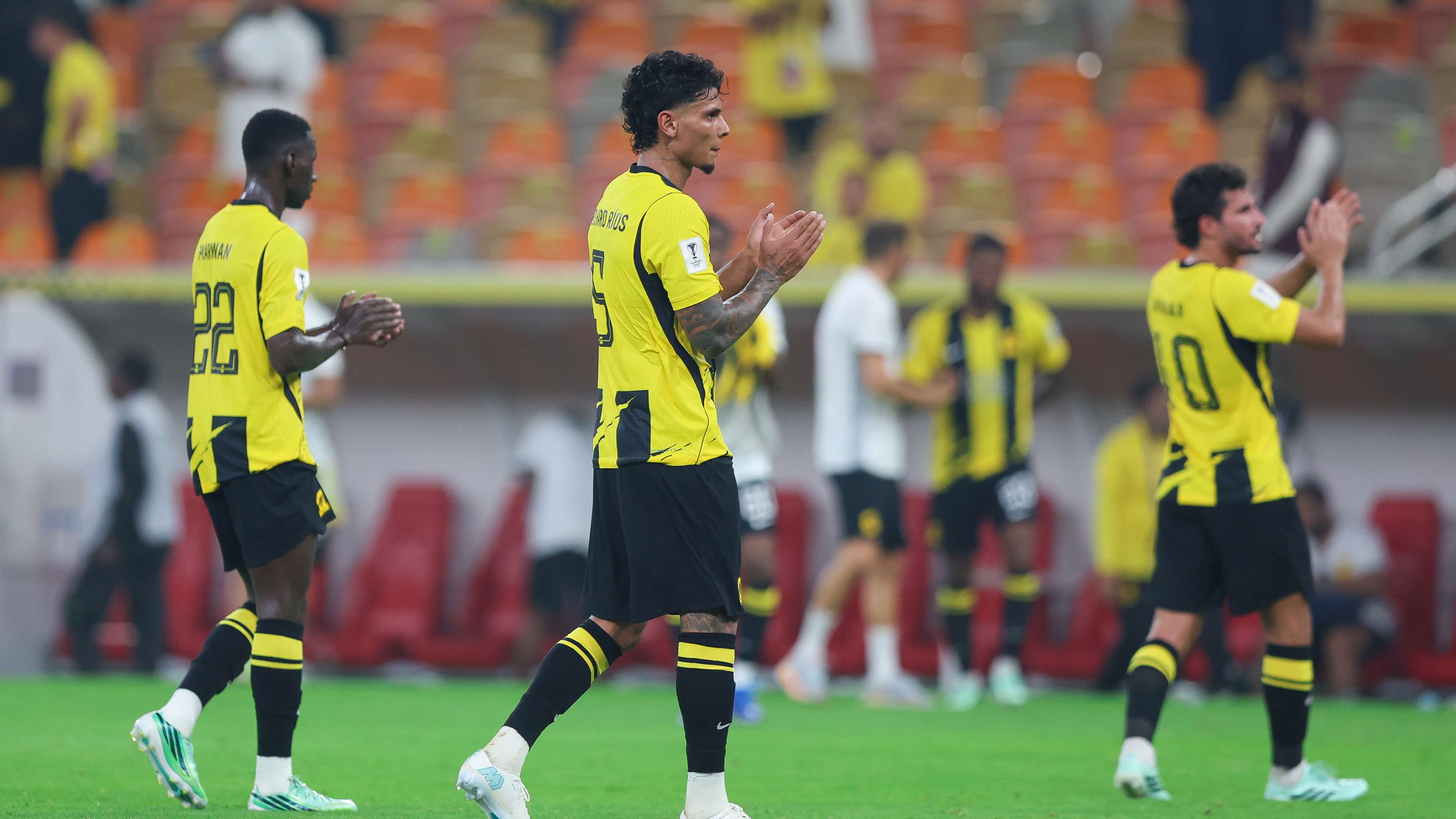
The unusual switch came at half-time in Friday’s Roshn Saudi League fixture at Al-Inma Stadium in Jeddah. Wissing replaced Saad Al-Mousa, who had only recently returned from a lengthy injury layoff, with Senegalese midfielder Dion Lopy. Rios then moved back into the defensive line as Al-Ittihad sought to protect their advantage and manage the second half.
The tactical decision attracted attention because Rios is most familiar with a midfield role. It also raised questions about Al-Ittihad’s defensive depth, particularly with Hassan Kadesh sidelined through injury. But Wissing said the substitution was prompted primarily by the risk of leaving Al-Mousa on the pitch after he had received a yellow card.
Why Wissing moved Rios into defence
Speaking at his post-match press conference, Wissing praised Al-Mousa’s contribution while explaining why he chose to take him off. As reported by the Saudi newspaper Asharq Al-Awsat, the German coach said the defender had performed well after his long absence but that the booking made a change necessary.
“Saad Al-Mousa has just returned from a very long injury, and he took part and played brilliantly, but I was forced to change him because of the yellow card, and I did not want to risk him,” Wissing said.
The coach also rejected the idea that Rios’ deployment reflected a lack of confidence in Al-Ittihad’s younger players. Instead, he described it as a practical solution for a sensitive stage of the match. Wissing stressed that the Colombian would not necessarily be used as a centre-back on a regular basis, but said coaches must be ready to adapt when circumstances demand it.
That explanation points to the value of tactical flexibility over a demanding league schedule. A midfielder who can cover in defence gives a coach another option when injuries, bookings or fatigue disrupt the preferred lineup. However, Wissing’s comments made clear that the move should be viewed as a match-specific adjustment, not a permanent change to Rios’ position.
Coach dismisses concerns over Al-Ittihad’s defence
With Kadesh unavailable, Wissing was asked whether Al-Ittihad had struggled defensively without the injured defender. The coach pushed back on the suggestion, arguing that Al-Diriyah had failed to create a serious threat during the contest.
“Al-Diriyah did not threaten us at any moment in today’s match,” he said.
The clean sheet offered support for Wissing’s assessment. Al-Ittihad managed to hold their opponents scoreless despite making a significant adjustment at the back after the break. Still, the defensive reshuffle may remain a talking point as the club looks ahead to a busy run of fixtures, when squad depth and player availability could become increasingly important.
For supporters following the team’s form, the key question is not simply whether Rios can play in defence, but how often Wissing may need to call on that versatility. His future selection will likely depend on the fitness of Al-Ittihad’s established defenders, the demands of each opponent and the balance required in midfield.
Competition for places in midfield
Wissing was also asked about selecting Mukhtar Ali alongside Rios in midfield, with Lopy starting on the bench before coming on at half-time. The coach said his choices depend on the specific demands of each game rather than a fixed preference for one combination.
He identified several players who can operate in the number-six position, including Ali, Lopy, Rios and Mohammed Fallatah. Wissing also mentioned Ahmed Al-Ghamdi, describing him as an intelligent player capable of filling the role.
“We have several options in the number 6 position,” he said, adding that he could not claim one pairing was automatically better than another. The team’s range of options, he suggested, allows him to select a midfield combination suited to the opponent and the circumstances of the fixture.
That depth could prove significant over the season. Defensive midfielders are often asked to protect the back line, control the pace of play and help launch attacks, so different player combinations can offer different strengths. A more defensive setup may help Al-Ittihad close out a lead, while a more mobile pairing could be useful when the team needs to press or move the ball quickly through midfield.
Wissing pleased with result and performance
Despite acknowledging that Al-Ittihad could have made the match more comfortable, Wissing said he was satisfied with the performance and the result. He described the win as deserved and highlighted the challenge of preparing for a fixture during a tight schedule with limited recovery time.
The coach said scoring first allowed his players to conserve some energy, while the clean sheet provided another positive. Al-Ittihad also created several opportunities, although Wissing noted that taking more of them would have eased the closing stages.
“I am happy with the performance, the result and the win,” he said. “We had several chances, and had we scored them, things would have been easier.”
Al-Ittihad’s 2-0 success lifted the club to 23 points and fourth place in the Saudi Pro League standings, keeping the team within reach of the leading sides. The result strengthens their position in the early title conversation, though consistency across the upcoming fixtures will be crucial if they are to remain firmly in contention.
What the result means for the next fixtures
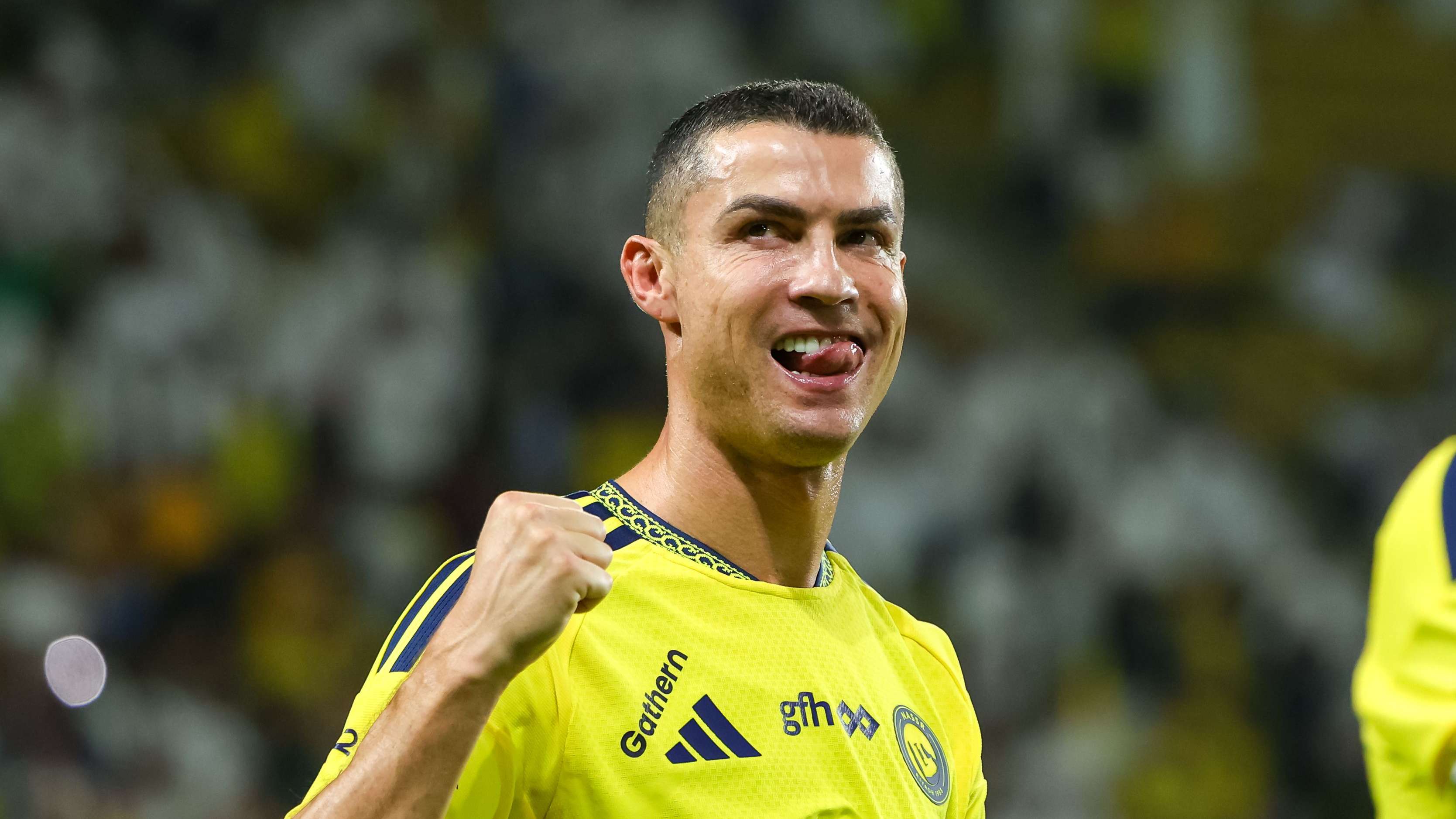
The Tigers now face a demanding period that includes an AFC Champions League Elite meeting with NEFA on October 26, followed by a league clash against Al-Nassr on October 30. Those matches will test both Wissing’s tactical options and the squad’s ability to recover quickly between competitions.
Any prediction about Al-Ittihad’s next performances must account for the uncertainty around injuries, rotation and the coach’s willingness to make situational changes. The victory over Al-Diriyah showed that Wissing is prepared to think creatively when required, but the team will need to maintain its defensive organization and improve its finishing to make the most of its opportunities.
For now, the result delivers three valuable points, a clean sheet and evidence that Al-Ittihad can adapt under pressure. Rios’ temporary move to centre-back may have been unexpected, but Wissing’s explanation was straightforward: it was a calculated response to a yellow-card risk, a returning defender’s fitness and the need to manage a sensitive moment in the game.