
Confusion and Frustration in English Football: UEFA’s Clash Forces Rescheduling of League Cup Fixtures
In a recent development that has stirred controversy within the world of English football, the English Football League (EFL) has publicly voiced its discontent towards UEFA over a scheduling conflict that has forced the rescheduling of crucial third-round fixtures in the EFL Cup. The clash underscores ongoing tensions between domestic leagues and European governing bodies, highlighting the complexities of coordinating fixtures amid the expanding calendar of European competitions.
The Root of the Problem: Clash of Champions League and League Cup Fixtures
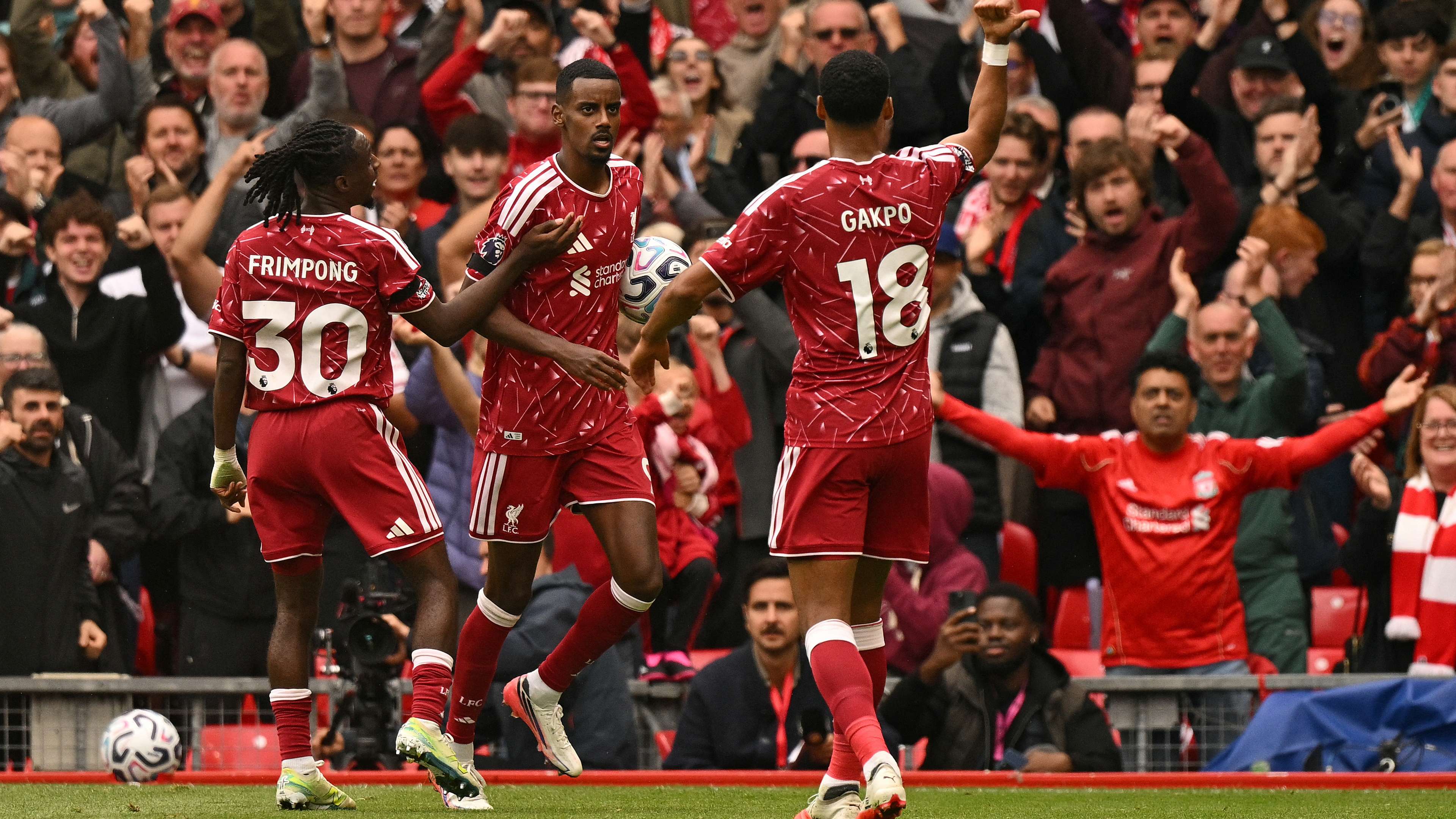
The core issue revolves around a clash of dates involving key matches for some of England’s most prominent clubs. On 9 September, Everton is scheduled to face Wolverhampton Wanderers in a highly anticipated EFL Cup third-round match. However, the same date also marks Liverpool’s crucial Champions League group stage encounter against Atletico Madrid. UEFA’s decision to hold Liverpool’s match on this date has created a ripple effect that disrupts domestic fixture planning.
The problem is exacerbated by logistical and security considerations. Both Liverpool and Everton are large clubs with extensive supporter bases, and hosting matches at their respective grounds on the same day presents significant challenges for security, policing, and crowd management. Ensuring the safety of fans and maintaining order at multiple venues simultaneously is a complex task, especially during high-profile matches that attract large attendances and international attention.
Rescheduling and Its Consequences
To address this clash, the EFL announced that Everton’s fixture against Wolverhampton would be moved from 9 September to 16 September. This change was intended to prevent overlap and ensure both matches could be played smoothly, with adequate security arrangements in place. However, this rescheduling caused a domino effect, prompting the EFL to shift Liverpool’s League Cup match against Tottenham Hotspur forward by 24 hours from its original date.
While the adjustments aim to maintain the integrity and safety of fixtures, they also disrupt the traditional rhythm of the competition and complicate planning for clubs, broadcasters, and supporters alike. Fans who travel from abroad or domestically face logistical challenges, and broadcasters must adapt to the new timeline to ensure coverage remains seamless.
UEFA’s Stance and Lack of Cooperation
The EFL’s frustration is compounded by UEFA’s stance. Despite multiple discussions, UEFA refused to reschedule Liverpool’s Champions League fixture, citing logistical and travel considerations for international supporters. The European governing body emphasized that changing the date would significantly impact travel plans for fans coming from abroad, making flexibility difficult.
In an official statement released on Monday, the EFL expressed its disappointment, stating: “Over recent seasons, the league has made a number of changes to accommodate the expansion of UEFA club competitions, a decision that was taken without sufficient consultation with domestic leagues.” This remark highlights a broader concern about the lack of communication and cooperation between UEFA and national leagues, which often results in congested schedules and fixture chaos.
The league further added: “This makes UEFA’s unwillingness to cooperate extremely frustrating, particularly for the supporters of the five affected clubs, and we sincerely apologise for the inconvenience we have caused.” The reference to “five affected clubs” underscores the broad impact of this scheduling conflict on multiple teams and their fans, emphasizing the importance of collaborative planning in football’s increasingly crowded calendar.
The Broader Context: The Growing Complexity of Football Scheduling
This incident is emblematic of a larger issue facing football organizations worldwide: the challenge of balancing domestic competitions with the demands of European tournaments. As UEFA continues to expand its club competitions, including the Champions League and Europa League, domestic leagues often find themselves squeezed between conflicting schedules.
For football prediction enthusiasts and analysts, such fixture reschedulings can also influence betting markets and forecast models. Changes in match dates, especially involving high-profile clubs, can impact team form, player availability, and even the outcome predictions. Accurate football prediction models must consider fixture congestion, travel fatigue, and other logistical factors that stem from these scheduling conflicts.
Implications for Fans and Stakeholders
Beyond the logistical challenges, the rescheduling raises concerns about fan engagement and experience. Supporters who plan their trips well in advance now face uncertainties, while broadcasters and commercial partners must adapt to dynamic schedules. Moreover, the frustration voiced by the EFL underscores a growing desire within domestic leagues for greater cooperation and communication with UEFA to prevent such conflicts in the future.
For clubs like Everton, Wolverhampton, Liverpool, and Tottenham, these adjustments can also influence team performance. Travel fatigue, disrupted routines, and the psychological stress of last-minute changes can all impact on-field results, making accurate football prediction more complex but also more intriguing for analysts and fans alike.
Looking Ahead: Calls for Greater Collaboration
This scheduling dispute serves as a wake-up call for greater collaboration between UEFA and domestic leagues. As football continues to grow globally, finding a sustainable and mutually agreeable approach to fixture scheduling is essential. Greater dialogue and early planning can help prevent conflicts that undermine the integrity of competitions and the experience of fans.
Moreover, innovative solutions such as midweek fixtures, flexible scheduling windows, and enhanced communication channels could be explored to streamline the calendar and accommodate the burgeoning demands of European and domestic competitions alike.
Conclusion: A Call for Balance and Cooperation in Football
The recent rescheduling saga in English football highlights the complex interplay between domestic leagues and European governing bodies. While logistical and security considerations are paramount, the lack of cooperation and consultation has led to unnecessary turmoil and frustration among clubs, fans, and stakeholders.
As football continues to evolve, the need for strategic planning, open dialogue, and mutual respect becomes ever more critical. For fans and prediction enthusiasts, these developments present both challenges and opportunities to analyze the game in new contexts, understanding how fixture congestion and scheduling decisions can influence outcomes on the pitch.
Ultimately, fostering greater cooperation will ensure that the beautiful game remains fair, exciting, and accessible for all involved — a goal shared by clubs, leagues, and governing bodies worldwide.