
Inter Milan Makes Bold Statement with Unique Shirt Design in Champions League Clash Against Real Madrid
The much-anticipated Champions League fixture between Inter Milan and Real Madrid at the iconic Santiago Bernabéu stadium is not only attracting football fans worldwide for its high stakes and stellar lineups but also for a noteworthy change in the Nerazzurri’s traditional matchday attire. For the first time in recent history, Inter will don a different shirt from their usual kit, a move driven by regulatory compliance and sponsorship regulations that have significantly impacted football’s commercial landscape.
Breaking Down the Shirt Change: A Response to Spanish Advertising Laws
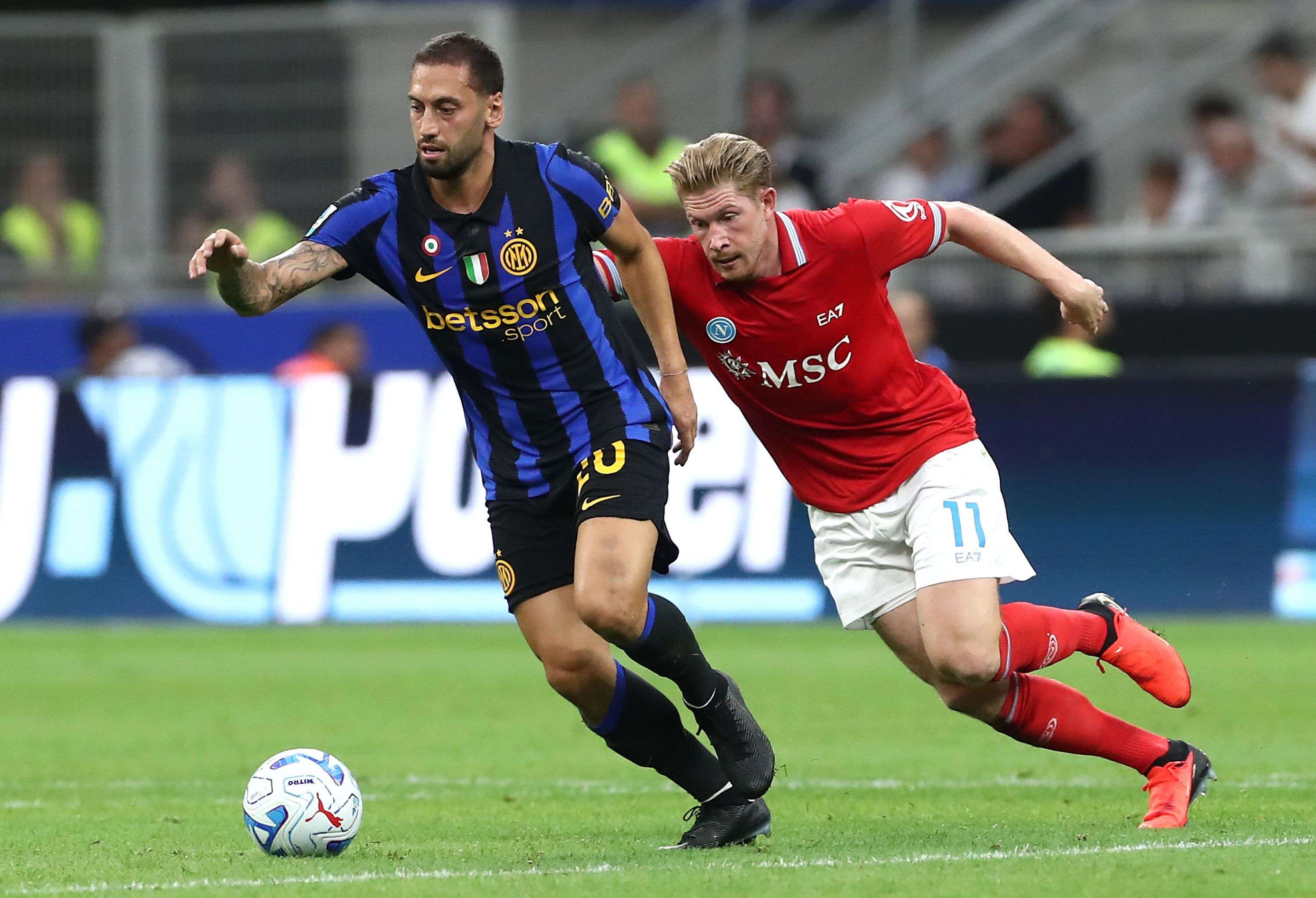
As confirmed by Calcio e Finanza, a reputable source for football finance insights, Inter Milan’s players will wear a different jersey tonight during the Champions League clash at the Santiago Bernabéu. Notably, the shirt will **not feature the Betsson.Sport logo** prominently on the front, despite Betsson being the club’s main sponsor for the upcoming 2024/25 season. This deviation from the norm is a direct consequence of Spain’s stringent advertising regulations concerning gambling and betting operators.
This regulatory move reflects a broader trend within European football where governments and football governing bodies are increasingly scrutinizing and restricting sponsorship deals linked to gambling companies. The primary goal is to protect consumers and promote responsible gambling, especially among minors and vulnerable groups. As a result, clubs participating in Spanish competitions or matches held within Spain are compelled to adapt their sponsorship displays accordingly.
Understanding Spain’s Gambling Advertising Regulations
The key legislation influencing this decision is Royal Decree 958/2020, enacted on November 3, 2020. This comprehensive regulation governs the commercial communication of gambling activities in Spain, significantly tightening restrictions on how gambling companies can advertise and sponsor sports teams. The decree aims to limit the exposure of gambling advertisements during sporting events, especially those accessible to minors, and to curb the potential social harm caused by irresponsible gambling behavior.
Under these rules, any sponsorship logos related to betting companies on team jerseys must adhere to strict size constraints and placement policies. For instance, the law limits the display area of such logos to a maximum of 200 square centimeters, ensuring they do not dominate the front of the shirt or overshadow the sporting action itself. Additionally, the legislation stipulates that gambling advertisements cannot be featured during certain hours or in specific contexts to further restrict exposure.
UEFA Regulations and Their Role in Sponsorship Display
While national laws are pivotal, UEFA’s own regulations also influence how clubs can display sponsors during European competitions. UEFA’s equipment regulations specify that clubs involved in UEFA tournaments are permitted to showcase a main sponsor on their shirts, but with limitations. The maximum area allowed for such sponsorship logos is generally capped at 200 square centimeters, aligning with Spanish legislation to ensure consistency and compliance across different jurisdictions.
This means that clubs like Inter Milan, when participating in the Champions League, must carefully consider how they display their sponsors. The restrictions are designed not only to respect local laws but also to maintain the integrity and fairness of commercial rights across competing teams. In practice, this often results in clubs either modifying existing sponsor logos or temporarily removing them during specific matches, as seen in this notable case.
The Impact of Sponsorship Regulations on Football Clubs and Fans
The move by Inter Milan to wear a shirt without their main sponsor’s logo is emblematic of the ongoing tension between commercial interests and regulatory measures in football. On one hand, sponsorship deals provide vital revenue streams that fund club operations, player acquisitions, and youth development. On the other hand, increasing legal restrictions aim to promote social responsibility and protect vulnerable groups from the potential harms of gambling advertising.
For football fans, this change might seem subtle but carries deeper implications. It highlights how modern football is navigating a complex landscape where commercial partnerships must adapt to legal and ethical standards. Fans are increasingly aware of the social responsibilities associated with sports sponsorships, and such visual changes serve as a reminder of the evolving regulatory environment.
Predictions and Future Trends in Football Sponsorships
Looking ahead, it is expected that the landscape of football sponsorships will continue to evolve, especially with growing emphasis on responsible advertising practices. Clubs will likely explore alternative sponsorship arrangements that comply with local laws while maintaining their revenue streams. This might include shifting sponsorship focus to non-gambling brands or embracing innovative partnerships that do not conflict with regulatory frameworks.
From a prediction standpoint, football clubs may also increase their engagement with digital and non-traditional marketing channels, reducing reliance on classic jersey sponsorships. The increasing scrutiny over gambling advertising could accelerate the development of new commercial models, such as digital branding, stadium naming rights, or content partnerships that meet both legal standards and fan expectations.
What Does This Mean for Football Fans and Sports Enthusiasts?
For passionate supporters and sports enthusiasts, these regulatory changes and the consequent modifications in team kits underscore the broader societal shift towards more ethical and responsible marketing practices in football. It also emphasizes the importance of transparency, social responsibility, and the role of legislation in shaping the future of sports sponsorships.
While the jersey change might be temporary and specific to certain matches, it symbolizes a broader movement towards cleaner, more socially conscious football. Fans can expect to see more such adjustments in the coming years as leagues and clubs adapt to new legal standards and societal expectations.
Conclusion
The upcoming Champions League match between Inter Milan and Real Madrid at the Santiago Bernabéu is more than just a football showdown; it’s a reflection of the evolving landscape of sports sponsorships and advertising regulations. Inter’s decision to wear a shirt without their main sponsor’s logo highlights how legal frameworks, such as Spain’s Royal Decree 958/2020, are reshaping the commercial aspects of football.
As football continues to grow globally, balancing commercial interests with social responsibility remains a key challenge. The adaptation seen in Inter Milan’s kit serves as a case study of how clubs are navigating this new terrain—ensuring they stay compliant while maintaining their brand identities and fan engagement. For football prediction enthusiasts and fans alike, these developments add a new layer of complexity and intrigue to the beautiful game, demonstrating that football is not just about the game on the pitch but also about the wider societal context in which it is played.