
Harry Kane Wins the 2026 Ballon d’Or, but Lamine Yamal Captures the Public’s Imagination
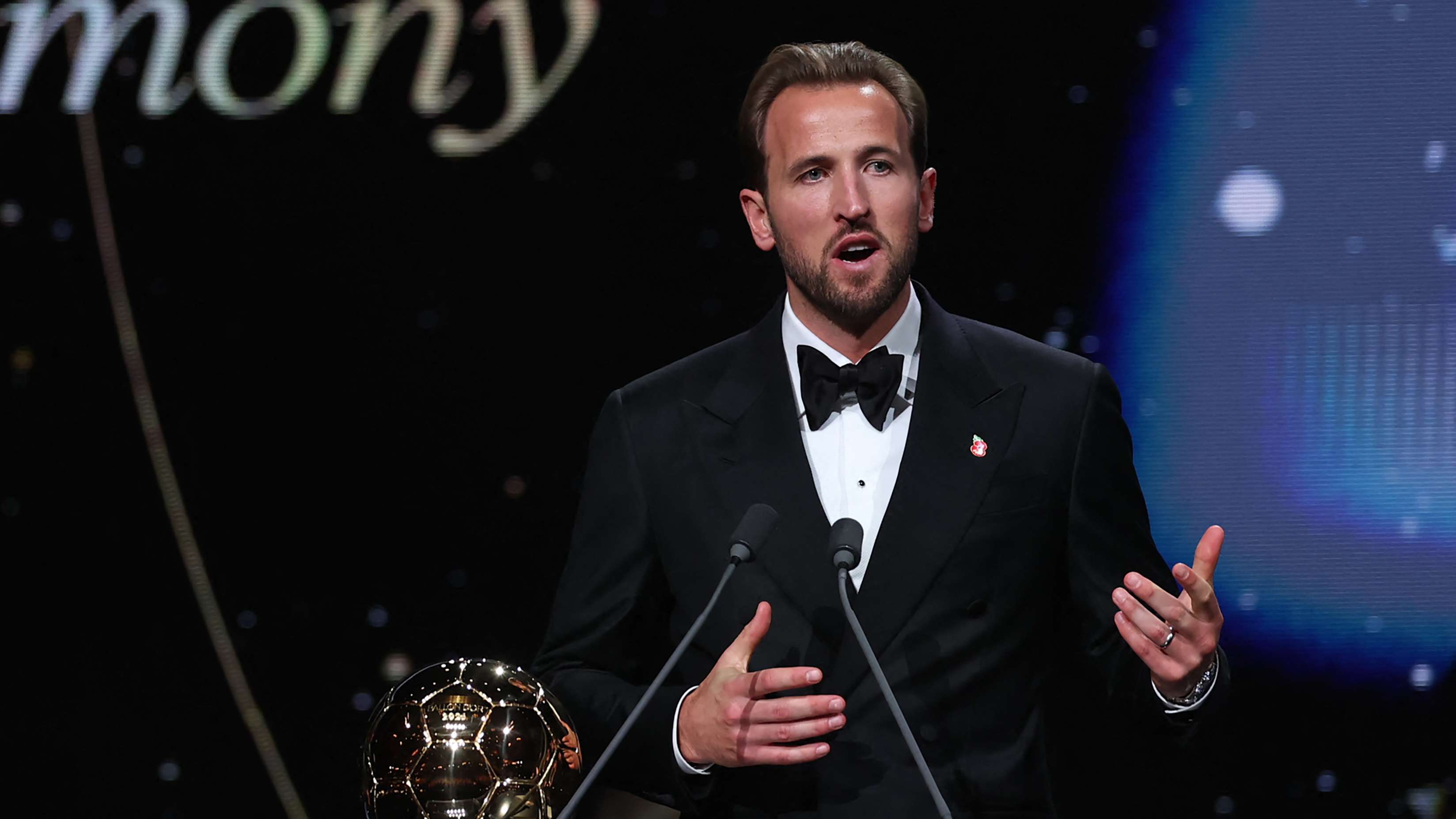
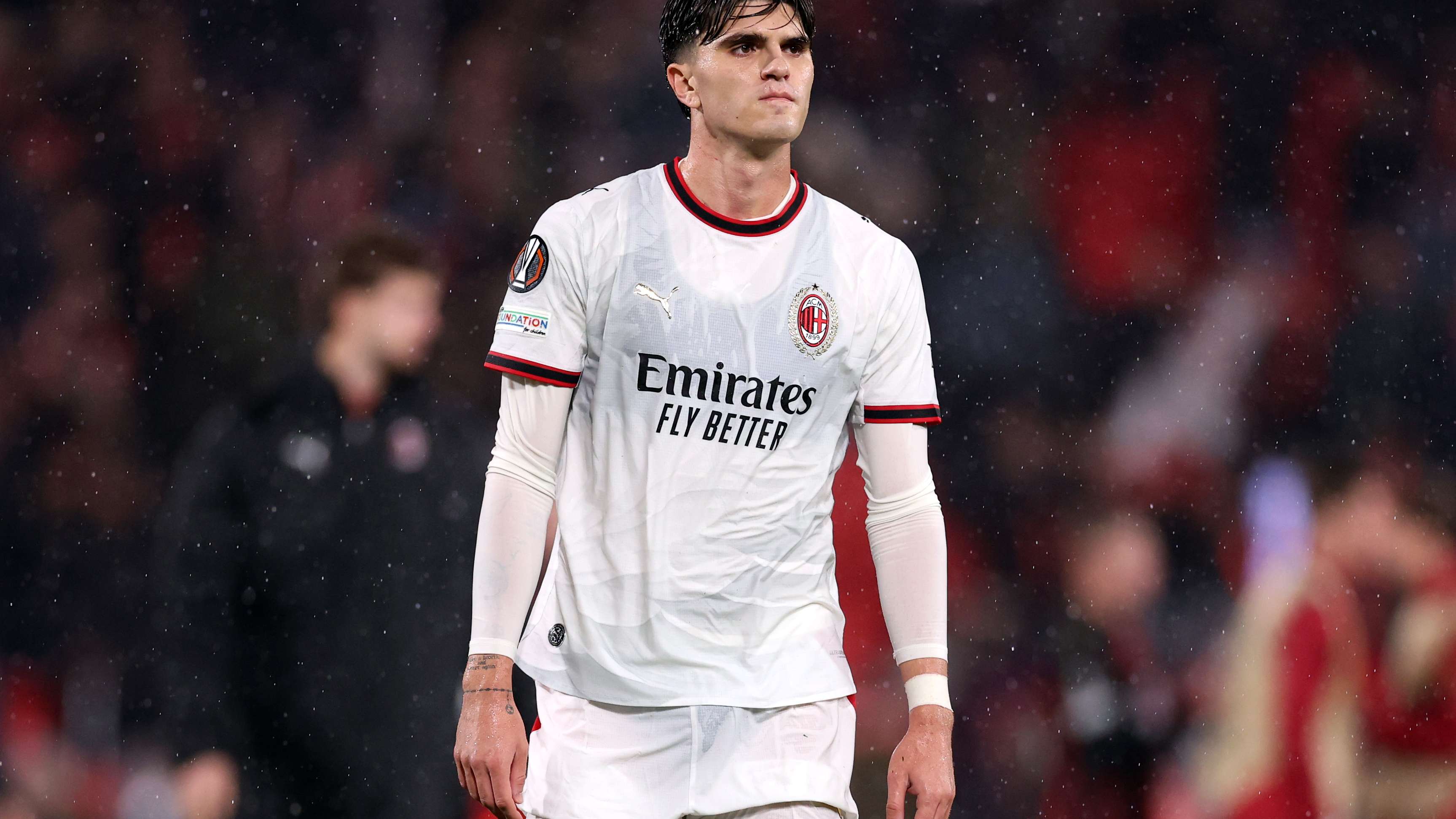
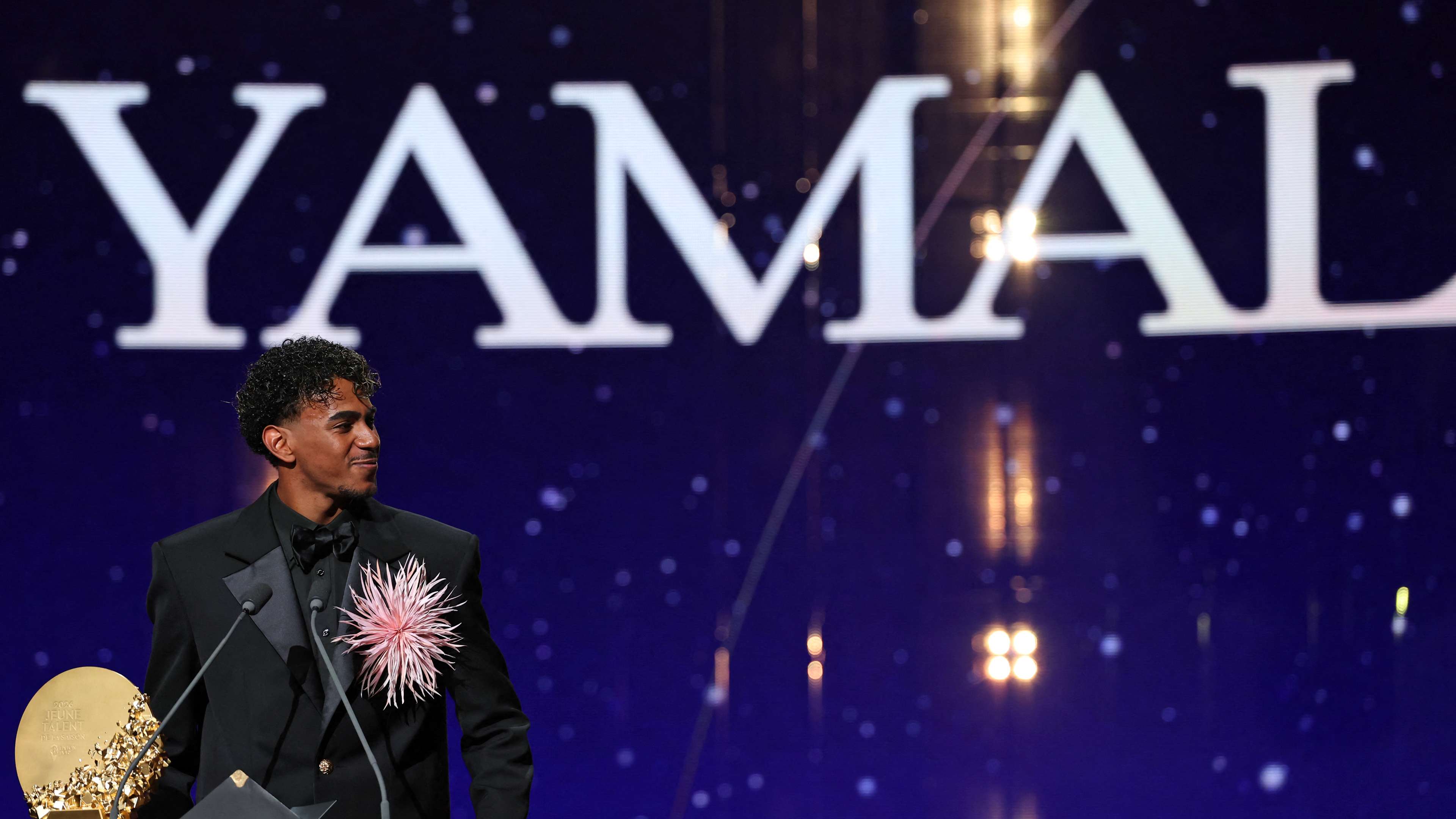
The official Ballon d’Or result and the public’s preferred winner told two strikingly different stories in 2026. Harry Kane claimed football’s most prestigious individual award, with Kylian Mbappé finishing second and Barcelona winger Lamine Yamal third. Yet figures attributed to Betfair’s international audience suggest that, among fans and platform users, Yamal was the overwhelming favorite.
According to data reported by Spanish newspaper Sport, Yamal received 64% of the public support tracked by the global betting and analytics platform. Kane attracted 17%, while Mbappé collected 6%. The gap highlights a compelling divide between the verdict of the France Football voting panel and the player who captured the public’s attention.
A Remarkable Public-Vote Gap
Yamal’s reported 64% share was more than three times Kane’s 17% and far ahead of every other contender. Taken together, Kane and Mbappé received 23%—still well short of Yamal’s total. The remaining candidates shared the other 13%, according to the figures cited in the report.
That result should be understood as a measure of support among Betfair users, rather than a formal worldwide ballot of every football fan. Even with that distinction, the scale of the difference is notable. It suggests that Yamal’s appeal extended beyond Barcelona supporters, resonating with a broad international audience that viewed him as a compelling choice for the game’s top individual honor.
The figures also reinforce how modern awards debates are shaped by more than trophies and statistics. Fans weigh performances, playing style, memorable moments, personal connection and expectations about what a great season should look like. Yamal’s combination of youthful confidence, creativity and high-profile performances appears to have made a particularly strong impression.
Betting Data Offers a Different Kind of Prediction
Betfair’s numbers provide a useful lens on the Ballon d’Or conversation, but they are not the same as a conventional opinion poll. Betting-market activity reflects users’ predictions and financial decisions, which can be influenced by confidence in an outcome, perceived value and changing information throughout the season.
That makes the data interesting, but it also calls for care. A large share of betting support does not prove that a player was objectively the best, nor does it establish that every participant was motivated by admiration alone. Instead, it offers a snapshot of how users assessed the race and where they believed the award might—or should—go.
According to the report, the top seven candidates accounted for 96% of the trading volume. Other prominent names, including Michael Olise, Jude Bellingham and Khvicha Kvaratskhelia, each received less than 1%. The concentration shows how attention gathered around a small group of leading contenders, while Yamal emerged as the clear public favorite within that field.
Kane Led the Season-Long Probability Tracking
The more surprising detail is that Yamal’s commanding public support did not match his position in Betfair’s season-long win-probability tracking. Kane led the tracker in 12 of the 15 observations taken between March and the awards ceremony. Yamal topped it twice—once in March and again on 6 October, when his reported probability reached 34.71%. Mbappé led on one occasion, in early July during the World Cup.
Across the year, Kane’s average win probability was reported at 25.7%, compared with 15.13% for Yamal and 9.38% for Mbappé. These figures capture how the market’s outlook shifted over time, rather than simply measuring final public preference. They also show why a prediction market and a fan-preference measure can produce very different rankings.
In Kane’s case, sustained expectations may have reflected the strength of his season, his established reputation and the weight of measurable achievements. Yamal’s story appears to have worked differently: his average probability was lower, but his final share of public support was dramatically higher. That contrast is the central surprise in the data.
Statistics Versus Spectacle
Ballon d’Or debates often balance two competing ideas of excellence. One places emphasis on consistency, goals, team success and a player’s influence across a full campaign. The other gives greater weight to moments of brilliance, originality and the excitement a player brings to the pitch. Kane’s position in the probability tracker and Yamal’s popularity among Betfair users illustrate that tension.
Kane’s case was built around dependable, high-level production and the kind of season that can persuade voters assessing performance over time. Yamal, meanwhile, has become associated with the unpredictability and flair that make football feel immediate. As a young winger for Barcelona and Spain, he has drawn attention for his direct approach, close control and willingness to take on defenders—qualities that can turn an ordinary passage of play into a defining moment.
That does not mean fans ignored results or statistics. Rather, it suggests that the public’s idea of a Ballon d’Or winner may include qualities that are difficult to capture in a probability chart: entertainment, personality, anticipation and the sense that a player represents the future of the sport.
What the Result Means for Yamal’s Ballon d’Or Future
Although the official panel placed Yamal third, the public response could strengthen his standing in future award discussions. A strong season, sustained development and continued performances on major stages may turn today’s enthusiasm into a more persuasive case with voters. At the same time, the 2026 result is a reminder that popularity alone does not decide the Ballon d’Or; the award ultimately reflects the criteria and judgments of its designated panel.
For football fans, the split verdict offers a lively debate rather than a simple contradiction. Kane was the official winner and the leading name in most of the season’s probability snapshots. Yamal, however, was the clear favorite among the Betfair users represented in the reported public-support figures. The award recognized one player’s campaign, while the audience’s response celebrated another’s appeal.
In the end, the 2026 Ballon d’Or story was about more than who lifted the trophy. It revealed how statistics, prediction markets and popular feeling can point in different directions. Kane secured the formal honor, but Yamal’s 64% share made him the unmistakable people’s choice—and ensured that the debate over who truly deserved football’s biggest individual prize would continue long after the ceremony.