
Australia Seize the Initiative as South Africa End Day Three 40 Runs Ahead
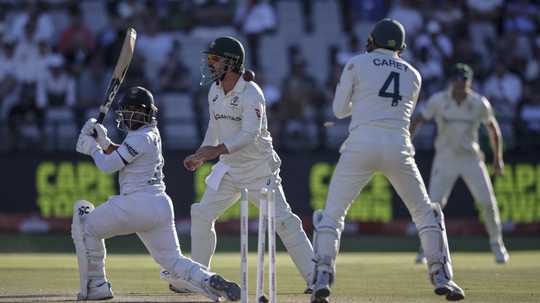
Australia’s decision to bowl first in ideal Cape Town conditions looked like a costly mistake early in the Test. By the close of the third day, however, the balance had shifted. South Africa held a 40-run lead in their second innings, but four wickets were already down, leaving the hosts with plenty of work to do against a probing Australian attack.
The day’s play featured a valuable Josh Inglis century, a sharp turnaround from South Africa’s bowlers and a testing final session for the home side. Australia’s first-innings total of 429 gave them a 100-run advantage, while Mitchell Starc and Nathan Lyon made important late breakthroughs. The contest remains finely poised, but the visitors have reason to believe they can press for a series-defining result.
Inglis Reaches Three Figures Before Harmer Turns the Tide
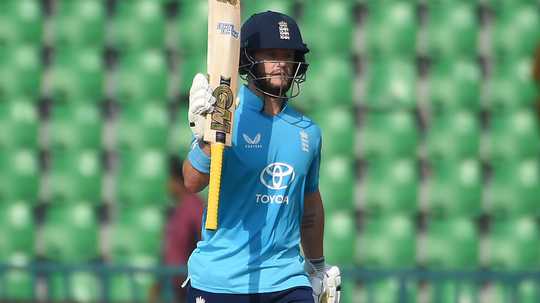
Australia resumed at 330 for four, just one run ahead of South Africa’s first-innings score. Inglis and Alex Carey had the opportunity to build a substantial lead, and Inglis moved steadily towards a landmark century. He added 15 to his overnight total to finish with 102, registering only his second hundred in Test cricket.
Simon Harmer ended the partnership with a clever change of pace and flight. Bowling outside off stump, he tempted Inglis into a shot that produced an edge through to the wicketkeeper. Harmer then struck again in his next over, drawing Carey forward with another floated delivery. Carey, who had made 80, edged towards slip, where Aiden Markram took a clean catch.
The quick succession of wickets gave South Africa a route back into the innings. Kagiso Rabada trapped Pat Cummins lbw, and Gerald Coetzee claimed Mitchell Starc’s wicket with a catch behind the stumps. Australia reached lunch at 411 for eight, holding an 82-run lead but suddenly under pressure to make every remaining run count.
Australia Build a 100-Run Lead
Nathan Lyon attempted to extend the innings alongside Cooper Connolly after lunch, but his brief resistance ended when Wiaan Mulder dismissed him for one. Four deliveries later, Marco Jansen finished the innings by taking a caught-and-bowled chance from Connolly. Australia were all out for 429, exactly 100 runs ahead.
That total gave the visitors a useful platform, especially after South Africa had made 329 in their first innings. It also carried a notable historical talking point: teams visiting South Africa have had a strong record when passing 420 in their first innings. A statistic is no substitute for runs on the board, though, and Australia still needed to take wickets to turn their advantage into control.
Inglis’s century was central to Australia’s recovery. Carey’s 80 and Cameron Green’s 65 provided further substance, helping the visitors move beyond South Africa’s total after a difficult start to the match. Harmer’s four wickets and Jansen’s three prevented Australia from pushing the lead even higher.
Starc and Hazlewood Put South Africa Under Early Pressure
Australia’s pace attack responded quickly when South Africa began their second innings. Markram was the first to fall, driving at a full delivery from Starc and sending the ball to Travis Head at cover. The dismissal gave Australia an early opening, and Josh Hazlewood soon made it two down by bouncing out David Bedingham.
South Africa needed a partnership, and Temba Bavuma found one with opener Marques Ackerman. The pair negotiated more than 20 overs, showing patience against Australia’s seamers and easing some of the pressure created by the early wickets. Their stand was especially important because another collapse would have left the hosts defending a slim lead with several sessions still to play.
Starc eventually broke through with a sharp bouncer clocked at 139 kilometres per hour. Ackerman was hurried by the rising ball, which struck the splice of his bat, deflected off his helmet and carried to Cameron Green at slip. Ackerman had run out of time to request a review, although the dismissal appeared unlikely to change even if he had challenged the decision.
His 62 was a valuable contribution in a difficult situation. It gave South Africa’s middle order a platform, but his departure left the responsibility with Bavuma and the incoming Matthew Breetzke.
Lyon Removes Bavuma Late in the Day
Bavuma and Breetzke looked to close out the day without further damage. They batted for more than 100 deliveries, resisting Australia’s attempts to force another breakthrough and keeping South Africa in front. Their growing stand appeared to be carrying the hosts towards stumps until Lyon found a way through.
In the penultimate over, Lyon’s delivery dipped as Bavuma tried to work it towards the leg side. The South African captain missed, and the ball struck the stumps. It was a significant late wicket: rather than heading back with an established partnership intact, South Africa finished the day with four wickets lost and a lead of only 40.
Australia will take confidence from the timing of that dismissal. A wicket just before stumps can change the mood in the dressing room and leave the incoming batter facing a demanding start the following morning. For South Africa, the challenge is to avoid allowing the visitors to run through the remaining batting order before the lead becomes substantial.
What to Watch on Day Four: Match Prediction and Key Factors
The match prediction remains uncertain. Australia have the momentum after taking four wickets and dismissing South Africa for 329 in the first innings, but the hosts still lead and have shown resilience during the series. The first session on day four could be decisive: South Africa need Breetzke and the lower order to extend the advantage, while Australia will aim to strike early and keep the target manageable.
Pitch conditions, the new ball and the effectiveness of Lyon’s spin are likely to shape the next phase. If South Africa can build a lead of around 150 or more, they may give their bowlers a meaningful target to defend. If Australia remove the remaining batters quickly, the visitors could enter their chase with the psychological edge and a realistic opportunity to move closer to a series victory.
South Africa have demonstrated batting resilience before, so the contest is far from settled. After three days of shifting fortunes, the Cape Town Test has become a test of patience as much as skill. Australia have created an opening; whether they can turn it into a decisive advantage will depend on how quickly they finish the innings and how effectively they manage the chase.
Brief Scores
South Africa: 329 and 140 for four (Marques Ackerman 62; Mitchell Starc 2-29), leading Australia by 40 runs.
Australia: 429 (Josh Inglis 102, Alex Carey 80, Cameron Green 65; Simon Harmer 4-104, Marco Jansen 3-60).