
India’s Resilient Kabaddi Performance Secures Key Victory Over Iran at 2026 Asian Games
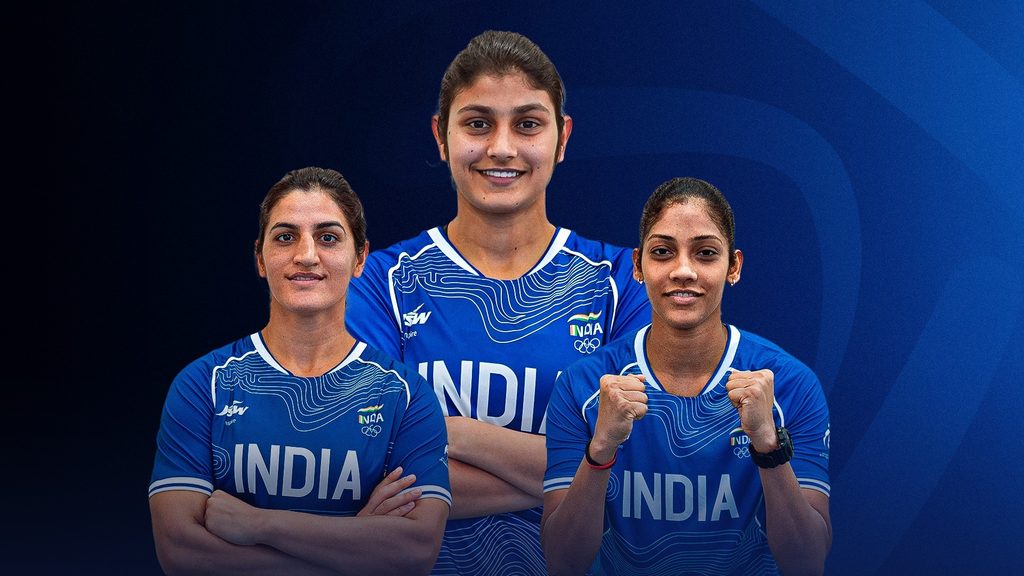
The ongoing excitement of the 2026 Asian Games continues to showcase the incredible talent and strategic prowess of kabaddi players from across Asia. In a compelling Group A clash at the Tokai Citizens Gymnasium, the Indian women’s kabaddi team demonstrated resilience and tactical brilliance to overcome an early surge by Iran, ultimately securing a vital 37-23 victory that keeps their medal hopes very much alive.
Early Iranian Dominance Sparks Intense Competition
From the outset, Iran set a fierce tone, launching an aggressive attack that saw them take an early 8-4 lead. Their quick and coordinated raiding strategy, combined with disciplined defensive plays, posed significant challenges to the Indian side. Iran’s energetic start put India on the back foot, forcing the defending champions to adapt rapidly to maintain their composure and game plan.
Iran’s aggressive approach was characterized by swift raids that exploited small gaps in India’s defense, asking probing questions that tested the resilience of the Indian team. This initial dominance underscored Iran’s determination to cause an upset and keep their hopes of advancing in the tournament alive. However, India’s seasoned players refused to panic, focusing instead on regrouping and executing their counter-strategies.
Pooja’s Heroic Interventions Turn the Tide
The turning point in the match came through the exceptional efforts of Pooja, one of India’s key raiders. Recognized for her agility, tactical awareness, and fearless approach, Pooja ignited a comeback with a series of spectacular raids. Her first super raid was a masterclass in timing and agility, dismantling Iran’s defensive setup and cutting into their early lead.
Just when Iran appeared to be pulling away, Pooja’s brilliant raid not only reduced Iran’s advantage but also boosted the confidence of her teammates. Her relentless attacking spirit and strategic execution helped level the score, shifting the momentum decisively in India’s favor. This pivotal moment exemplified her role as a game-changer, inspiring the Indian squad to elevate their performance under pressure.
Seizing Control: India’s Dominance in the First Half
Following Pooja’s heroics, India gained a newfound sense of confidence and began to assert control over the match. The Indian team’s balanced approach, combining precise raiding with tight defensive formations, proved effective in gradually extending their lead.
By halftime, India led 19-15, thanks to a well-rounded effort that showcased their tactical versatility. The team’s defence was resilient, with key players executing critical tackles, including a super tackle in the second half that disrupted Iran’s raiding rhythm. Offensively, India’s raiders capitalized on Iran’s lapses, earning bonus points and forcing turnovers that translated into valuable points on the scoreboard.
Second Half: Consolidating the Lead and Securing Victory
As the second half commenced, India maintained their aggressive stance, steadily extending their lead. Their disciplined approach prevented Iran from mounting a comeback, even as the Iranian team fought valiantly to reduce the margin.
The Indian defence continued to disrupt Iran’s raids, earning crucial points through strategic tackles and a super tackle that further demoralized the Iranian players. Meanwhile, the Indian raiders exploited gaps with quick, precise moves, accumulating bonus points and earning All-Out points that sealed their dominance in the match.
The final whistle confirmed India’s convincing 37-23 victory, a result that underscores their resilience, tactical discipline, and ability to perform under pressure in high-stakes tournaments like the Asian Games.
Key Highlights and Strategic Insights
India’s impressive total of 37 points included 7 bonus points and 4 All-Out points, reflecting their effective attacking and defensive strategies. The bonus points showcased their ability to capitalize on Iran’s defensive lapses, while the All-Out points demonstrated their relentless pursuit of turnovers.
Notably, India also secured a Super Tackle point in the second half, highlighting the defensive unit’s strategic discipline and timing. These tactical elements are critical in modern kabaddi, where the balance between offence and defence often determines the outcome of closely contested matches.
Looking Ahead: Critical Group Match and Semi-Final Aspirations
With this pivotal victory, the Indian women’s kabaddi team now sets their sights on their final Group A encounter against Japan on September 24 at 4:15 PM. A win in this match will not only guarantee their place in the semi-finals but will also bolster their confidence heading into the knockout stages of the tournament.
Japan, known for their strategic discipline and agility, will undoubtedly pose a tough challenge, making this upcoming fixture a must-watch for kabaddi enthusiasts and Asian Games followers alike. India’s performance against Iran demonstrates their readiness to face top-tier opponents and adapt their game plan dynamically.
The Significance of Kabaddi at the Asian Games
Kabaddi, a sport with ancient roots in South Asia, has grown exponentially in popularity across the continent, especially with its inclusion in major multi-sport events like the Asian Games. The 2026 edition continues to showcase the sport’s strategic depth, physical prowess, and the competitive spirit of Asian nations.
India, often regarded as the powerhouse of kabaddi, strives to defend its title and set new standards of excellence. The sport’s inclusion in the Asian Games not only promotes athletic talent but also fosters cultural exchange and regional camaraderie among participating nations.
Final Thoughts: A Promising Outlook for Indian Women’s Kabaddi
India’s victory over Iran is a testament to their resilience, strategic ingenuity, and team cohesion—qualities that have long defined their dominance in women’s kabaddi. As they prepare for their upcoming match against Japan, the team’s focus will likely be on refining their strategies, maintaining their physical fitness, and building on the momentum gained from this hard-fought win.
Fans and followers of kabaddi can look forward to more thrilling encounters as the tournament progresses, with India aiming to secure their place in the semifinals and ultimately aim for a third consecutive gold medal in women’s kabaddi at the Asian Games.
In conclusion, the match between India and Iran exemplified the spirit of kabaddi—combining agility, strategy, and relentless determination—and reaffirmed India’s status as a dominant force in Asian women’s kabaddi. The journey toward the medal rounds promises more excitement, fierce competition, and inspiring performances from teams across Asia.