
Saudi Arabia Coach Giorgos Donis Faces Uncertain Future Ahead of 2027 Asian Cup
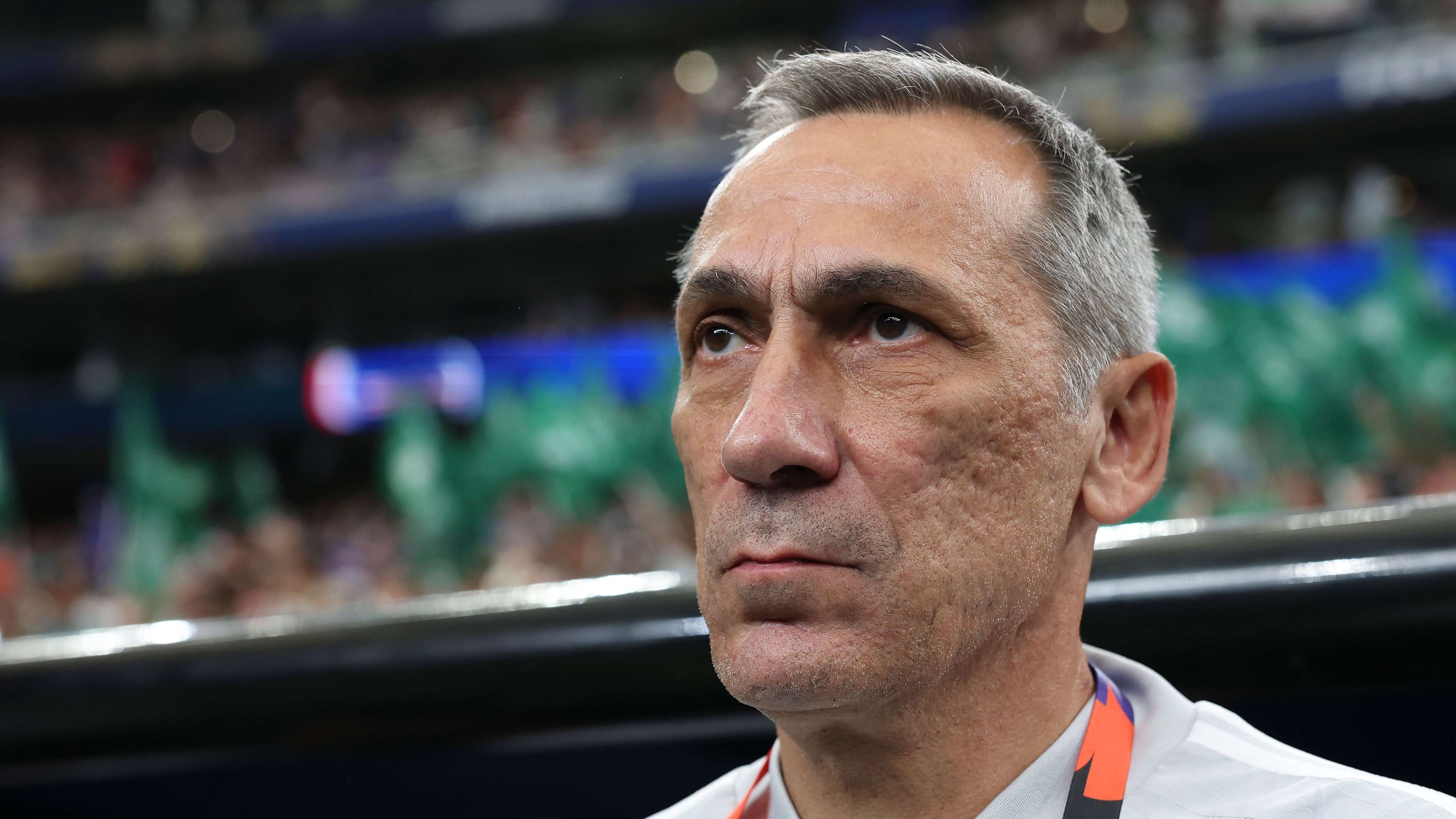
The future of Saudi Arabia national team coach Giorgos Donis has become the focus of fresh speculation, with competing claims emerging over whether the Greek manager will remain in charge through the 2027 Asian Cup. One Saudi media figure has suggested Donis is almost certain to leave, while another says he has been assured by the Saudi Arabian Football Federation that the coach will stay.
The conflicting reports have added another layer of uncertainty to a football story already shaped by a proposed coaching change, public criticism and a shift in the Asian Cup schedule. For supporters, the central question is not only who will lead the team, but whether Saudi Arabia has enough time to build stability before one of the continent’s biggest tournaments.
Conflicting reports over Donis’s position
Saudi journalist Badr Al-Saqri addressed the issue on the programme Nadeena, broadcast on MBC 1. He said he had been in contact with the Saudi Arabian Football Federation and understood that Donis would remain in charge of the national team for the Asian Cup.
His fellow media figure Abdulrahman Al-Humaidi offered a sharply different assessment. Responding to Al-Saqri, Al-Humaidi said there was a “99% probability” that Donis would leave his role. The striking prediction quickly renewed discussion about the coach’s position, although it has not been presented as an official federation announcement.
That distinction matters. Until the federation confirms a departure or names a successor, the claims remain competing media reports rather than a settled decision. Even so, the strength of Al-Humaidi’s prediction has ensured that Donis’s future is once again under close scrutiny.
Roberto Martinez previously linked with the job
Earlier reports suggested that the Saudi Arabian Football Federation was considering dismissing Donis and appointing Spanish coach Roberto Martinez as his replacement. Those reports prompted anger among some Saudi supporters, particularly because the national team appeared to have limited time to prepare for the Asian Cup.
The reaction reflected a wider concern about continuity. Changing coaches can bring new ideas and a fresh tactical approach, but it can also disrupt a squad’s preparation, especially when players have only a short period to adapt to a new system. After the criticism, the federation issued a statement indicating that Donis would remain in the position.
However, the situation changed when the 2027 Asian Cup was postponed from January to December. The additional time before the tournament may have given federation officials more room to review their options. It has also revived speculation that a coaching change could be considered without leaving the national team with the same compressed preparation schedule that previously worried supporters.
Donis inherited a challenging assignment
Donis took charge of Saudi Arabia last April, succeeding French coach Hervé Renard. His appointment came only two months before the start of the 2026 World Cup, placing him in a difficult position: he had little time to establish his methods before leading the team into a major international competition.
Saudi Arabia exited the World Cup in the first round, a result that inevitably brought attention to the team’s performance and the circumstances surrounding its preparation. But judging a coach solely on a short tournament run may overlook the limited time Donis had to work with the squad. A national team manager has fewer training sessions and selection opportunities than a club coach, making quick tactical changes particularly challenging.
Donis has also delivered a significant achievement during his tenure. Last October, he guided Saudi Arabia to victory in the 27th edition of the Arabian Gulf Cup, known as Gulf 27. The triumph marked the country’s first title in 23 years, giving the Greek coach a notable success to set against the disappointment of the World Cup exit.
What a coaching decision could mean for Saudi Arabia
The debate now centres on how the federation weighs immediate results against longer-term planning. Keeping Donis could offer the team continuity and allow the coach to build on the Gulf Cup victory. It would also give players more time to become familiar with his approach before the Asian Cup.
Appointing a new manager, by contrast, could signal a fresh start. A coach such as Martinez would bring a different profile and potentially a new tactical direction, but any transition would require careful planning. The federation would need to consider how quickly a new manager could assess the squad, establish a preferred formation and prepare the team for the demands of a continental tournament.
The schedule adds practical importance to the decision. Saudi Arabia’s upcoming friendly fixtures include matches against South Korea on November 13, 2026, and Uzbekistan on November 17. These games could offer valuable opportunities to test combinations and assess players, but they may also attract added attention if uncertainty over the coaching position remains unresolved.
Prediction: uncertainty is likely to continue until an official announcement
For now, the safest prediction is that speculation will persist until the Saudi Arabian Football Federation makes its position clear. Al-Saqri’s account points toward Donis staying, while Al-Humaidi’s 99% claim suggests a departure could be close. Neither statement, on its own, settles the matter.
Donis’s record gives both sides of the debate something to consider: Saudi Arabia’s early World Cup exit raises questions, while the Gulf 27 title represents a major achievement. With the Asian Cup moved to December 2027, the federation has more time to assess the team’s progress and determine whether continuity or change offers the strongest path forward.
Until an official decision arrives, Saudi fans will be watching the team’s preparations, results and public statements closely. The outcome could shape not only the national team’s build-up to the Asian Cup, but also the broader direction of Saudi football over the coming year.