
Lakshya Sen Reaches Japan Masters Final After Three-Game Win
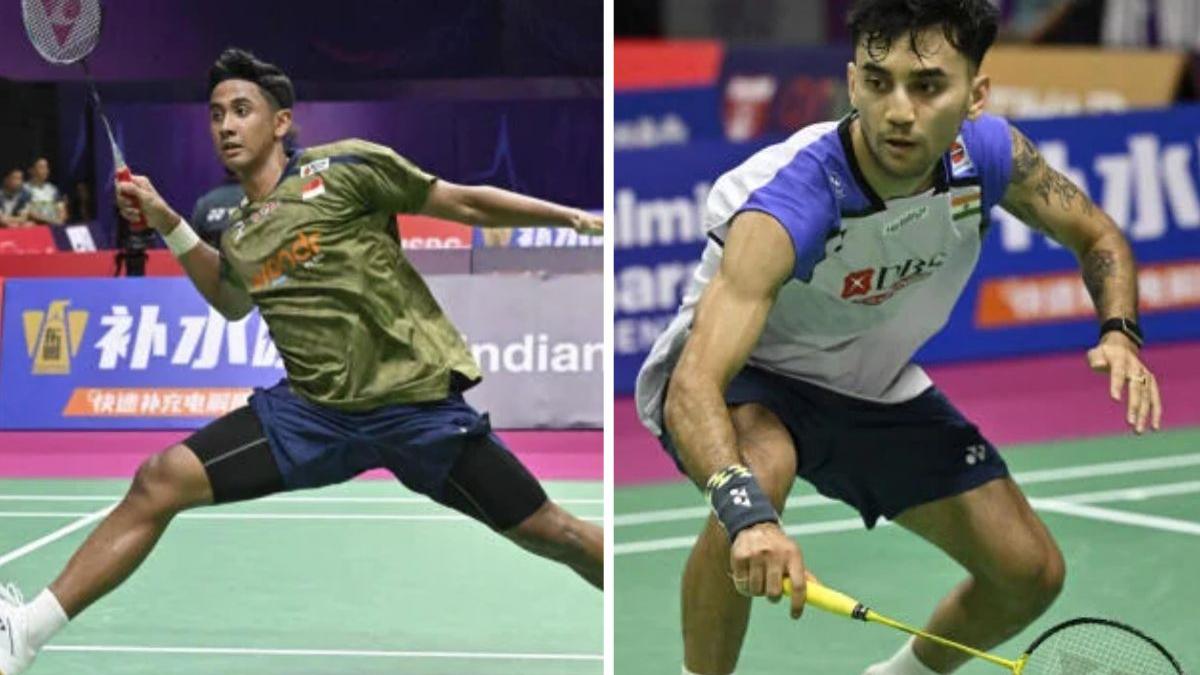
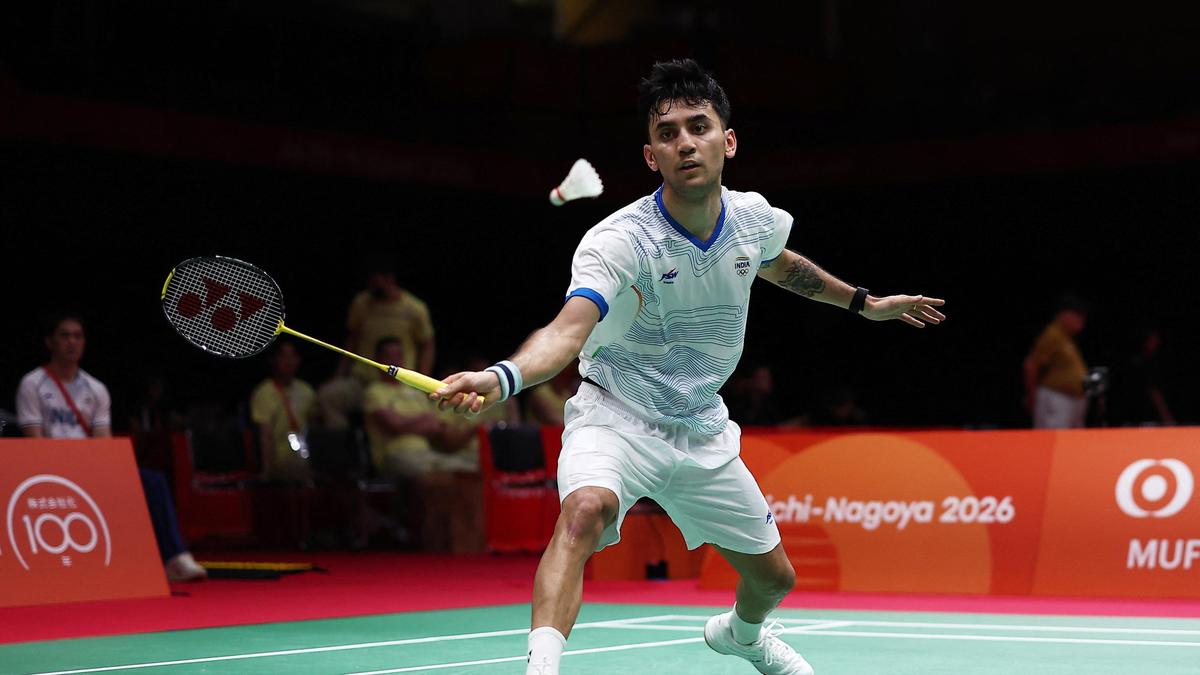
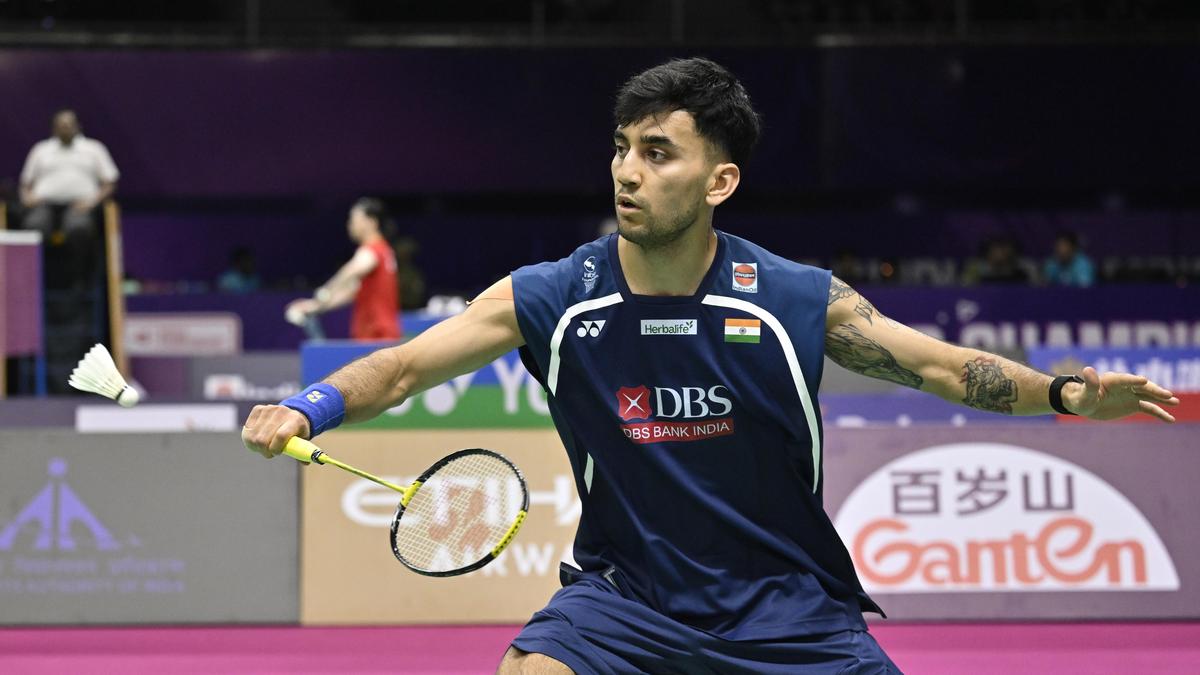
Indian badminton star Lakshya Sen continued his impressive late-season run by defeating Indonesia’s Alwi Farhan in a hard-fought semifinal at the Japan Masters. Sen prevailed 21-12, 15-21, 21-11 at Kumamoto Prefectural Gymnasium on Saturday, taking one hour and nine minutes to secure his place in the final.
The victory keeps Sen’s momentum rolling after a difficult period on the international circuit. He will now meet either Japan’s Koki Watanabe or Thailand’s former world No. 1 Kunlavut Vitidsarn in the title match, with the opportunity to claim a second tournament crown of the season.
Sen Finds His Rhythm in a Demanding Semifinal
Sen began confidently, controlling the opening game with sharp movement and well-judged attacking shots. His 21-12 scoreline reflected a strong start, as he kept Farhan under pressure and limited the Indonesian’s chances to dictate the rallies.
Farhan responded in the second game. The Indonesian raised his intensity, found more success in the exchanges and took advantage of a dip in Sen’s control to level the match at one game apiece, winning 21-15. With the semifinal stretched into a deciding game, Sen needed to reset quickly against a younger opponent who had shown he could challenge him from the baseline.
The Indian delivered the response he needed. He regained command in the third game, applied pressure early and built a decisive lead on the way to a 21-11 finish. The result was not simply a test of shot-making: the three-game contest also demanded patience, concentration and the ability to adjust after losing the middle game.
A Strong Japan Masters Campaign
Sen’s progress through the Japan Masters draw has been built on a series of composed performances. He opened his campaign with a 21-19, 21-18 win over Chinese Taipei’s Chi Yu Jen, navigating a close first-round encounter without allowing the match to slip away.
In the second round, Sen produced a more emphatic display against China’s Dong Tian Yao, winning 21-8, 21-14 in just 35 minutes. He followed that with a 21-16, 21-15 victory over Japan’s Yushi Tanaka, completing the quarterfinal in under 39 minutes to reach the last four.
The semifinal was his longest match of the tournament so far, but Sen’s ability to close it out in the deciding game underlined the resilience behind his run. Across the draw, he has shown both ends of his game: efficiency when he can take control early and composure when an opponent forces a longer contest.
Hylo Open Triumph Marked a Turning Point
The Japan Masters campaign follows a significant breakthrough at the Hylo Open in Germany, where Sen captured his first title of the season and the seventh tournament victory of his career. In the final, he defeated Indonesia’s defending champion Jonatan Christie 21-17, 21-10, producing a decisive performance against one of the sport’s established names.
That result was especially important after a challenging stretch on tour. A title can provide more than a trophy: it can restore confidence, validate changes in preparation and give a player a clearer sense of what is working under pressure. Sen’s subsequent performances in Japan suggest that the Hylo Open victory has helped him carry renewed belief into another demanding event.
Season-Finals Qualification in Focus
Sen withdrew from the Korea Open, but his strong showing in Japan has strengthened his position in the race to qualify for the season-ending BWF World Tour Finals. The tournament brings together the leading players of the season, making results in the closing events particularly valuable for those still seeking qualification.
Reaching the Japan Masters final gives Sen another opportunity to collect ranking points and improve his standing. Winning the title would provide an additional boost, although qualification depends on the wider results and points earned across the season. For Sen, the immediate focus will be on preparing for a final against a high-quality opponent rather than looking too far ahead.
What to Expect in the Final
Sen’s potential opponents offer contrasting challenges. Watanabe would have the advantage of playing on home soil, while Vitidsarn brings the experience and tactical discipline of a former world No. 1. Either matchup would require Sen to maintain the movement and control that have carried him through the tournament, while staying alert to changes in pace and rally length.
For badminton fans, the final will be another opportunity to see whether Sen can turn his recent resurgence into back-to-back titles. His route to the championship match has combined quick wins with a demanding semifinal, giving him valuable match practice ahead of the decisive contest.
Regardless of the final result, Sen’s Japan Masters run represents a meaningful step forward after a difficult spell. He has beaten opponents from Chinese Taipei, China, Japan and Indonesia, demonstrating consistency across different styles of play. With a place in the final secured and the season-ending tour finals race still in view, the Indian shuttler has given himself a strong platform to finish the year on a high.