
Oliver Kahn Questions Jürgen Klopp’s Criticism of Bayern and Harry Kane
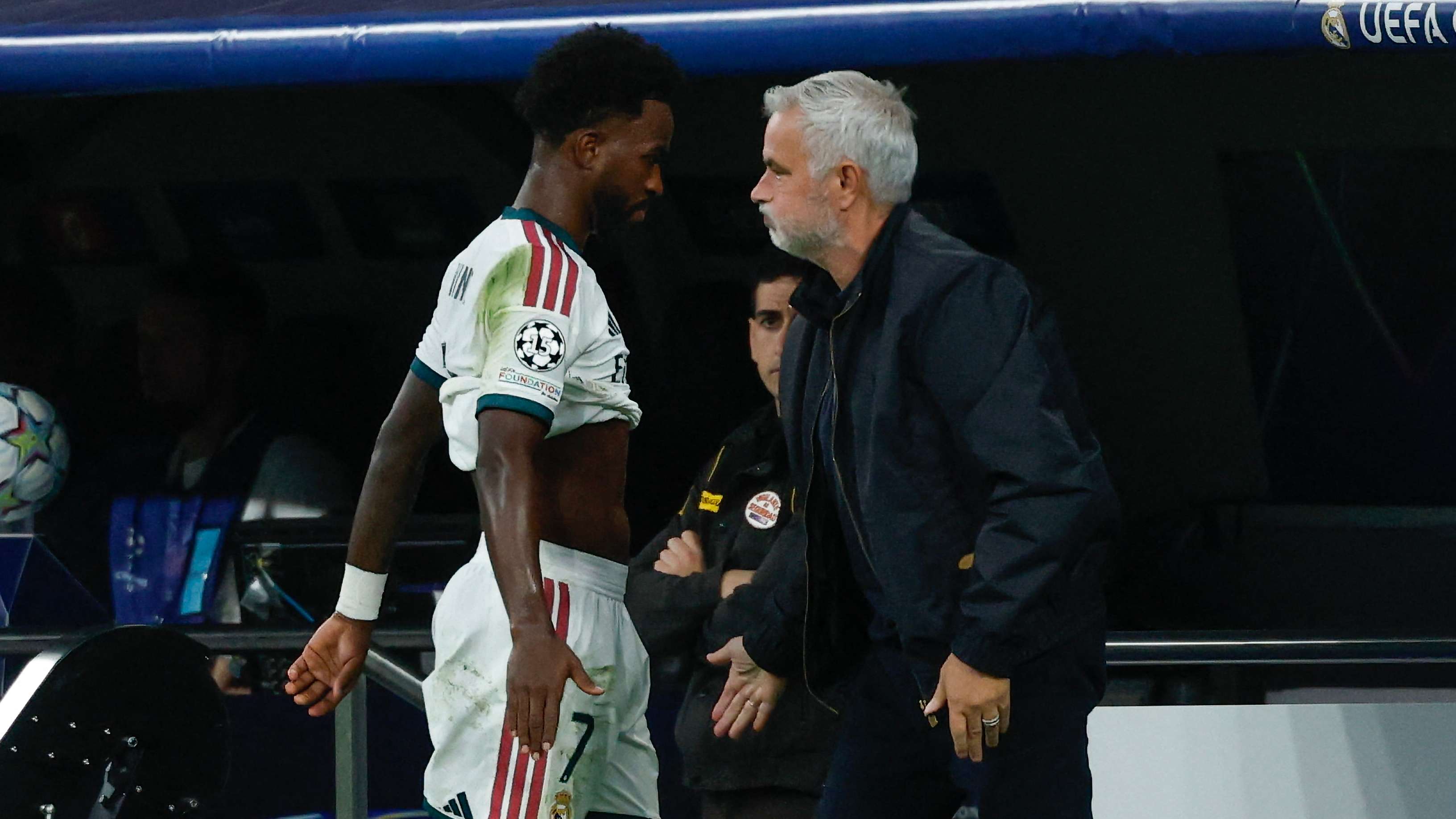
Former Bayern Munich chief executive Oliver Kahn has criticised Jürgen Klopp after the national team coach questioned Bayern’s defensive organisation and Harry Kane’s positioning during the Champions League clash with Arsenal. Kahn said Klopp’s remarks sounded more like commentary from a television pundit than observations from a national team coach, and warned that they could be interpreted as a public rebuke of Bayern manager Vincent Kompany.
The debate followed Bayern’s 2–2 draw with Arsenal, a high-profile match that offered plenty for analysts to examine: two attacking teams, shifting defensive structures and a striker whose influence stretched well beyond the penalty area. Klopp discussed those themes during a DAZN half-time appearance, while Kahn later responded on RTL and Sky Sport’s Triple – der Hagedorn Fußballtalk.
Klopp’s Questions About Bayern’s Defensive System
With the score level at 1–1 at half-time, Klopp was asked whether he was watching the match with particular attention to players connected to the German national team. He replied that he had stopped watching football matches “normally” years ago, explaining that he now tends to analyse what is happening on the pitch.
His attention turned to Bayern’s approach without the ball. Klopp said he had not yet fully understood the team’s defensive principles, describing a system that appeared to move between hybrid pressing, man-to-man marking and zonal coverage. He presented the comment as an admission that he was still trying to work out how Bayern’s structure functioned.
Those observations touched on a central challenge in modern football. Teams often change their defensive shape depending on the opponent’s build-up, the location of the ball and the moment of the match. A side may press man-to-man in one phase, protect space in another and then adjust again when its forwards are bypassed. Such flexibility can make a team difficult to predict, but it can also create questions about spacing and coordination when players interpret their roles differently.
Why Harry Kane’s Positioning Became a Talking Point
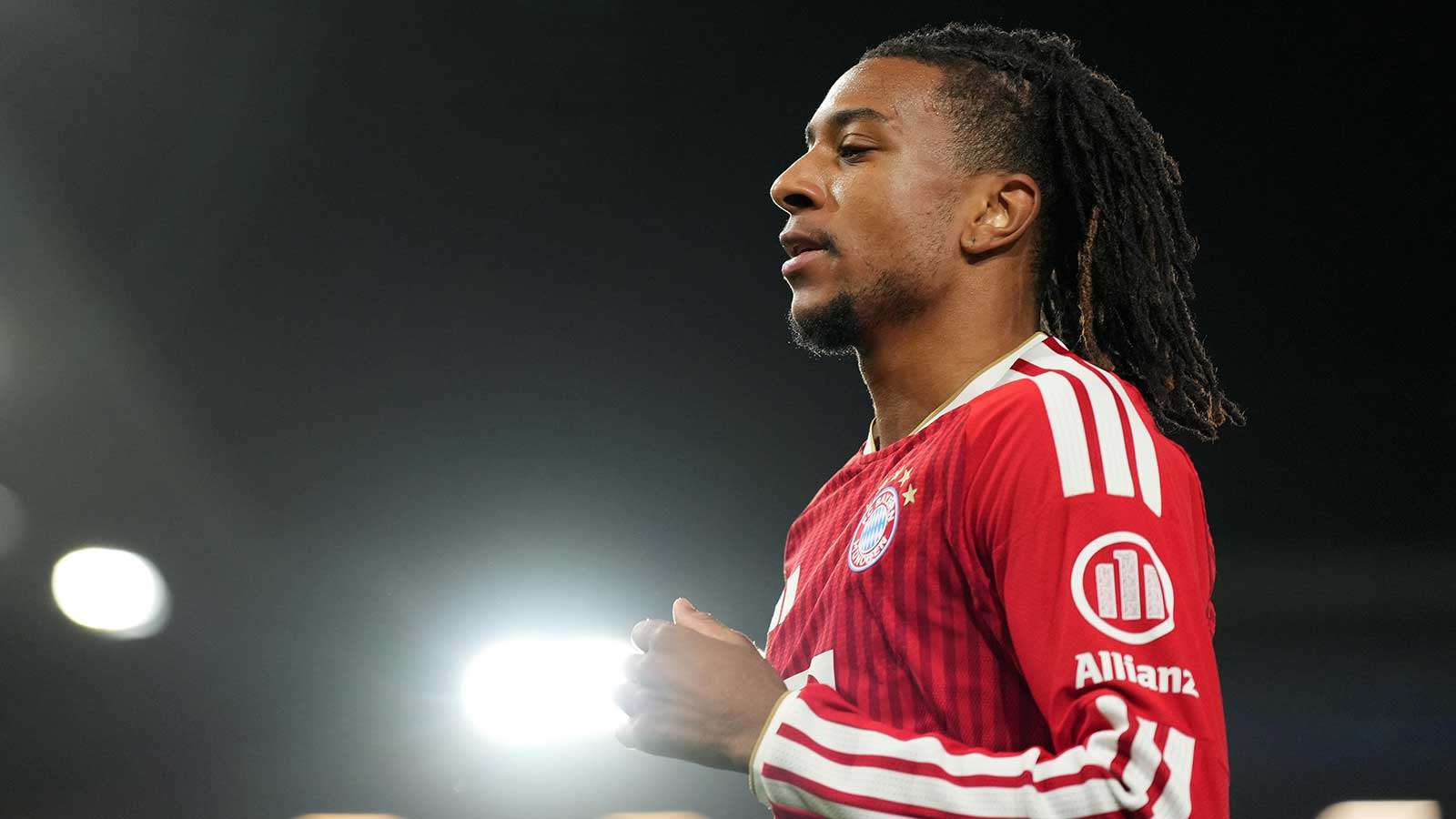
Klopp also focused on Kane’s movement. The England captain is known not only as a penalty-box finisher but also as a forward who drops deep to link play, distribute passes and help his team progress through midfield. Against Arsenal, however, Klopp questioned whether Kane was sometimes positioned too far back while Bayern were pressing in the middle third of the pitch.
Klopp said he was comfortable with Kane moving around when Bayern had possession, but appeared less certain about seeing the striker in the defensive line during a midfield press. He stopped short of presenting his view as a definitive judgment, adding that he was not the “pope of football” and that he was still trying to understand the arrangement.
Kane’s versatility is one of his major strengths. When he drops into midfield, he can draw a centre-back out of position, create room for wingers or runners and use his passing range to launch attacks. But the same movement can affect a team’s shape if it is not coordinated. If the central striker vacates the highest position, another player may need to lead the press or occupy the defenders, while midfielders must decide whether to follow Kane’s movement or preserve their own positions.
That tactical trade-off helps explain why Kane’s role became a subject of discussion after the match. His positioning can give Bayern an extra passing option, but it may also leave the team without an immediate outlet or alter the spacing between its attacking and defensive lines.
Kahn Says Klopp’s Comments Could Be Seen as Criticism
Kahn said he had to consider whether Klopp was speaking as a national team coach or as a football pundit. In his view, the remarks could be taken as criticism of Kompany’s tactical decisions, even if Klopp had not intended them that way.
The former Bayern executive also referred to an earlier comment Klopp made about Julian Nagelsmann during the World Cup period, when Klopp described Nagelsmann as “still” the national team coach. Kahn said he had found that wording difficult at the time and argued that the latest comments raised similar questions about professional courtesy between coaches.
“A national team coach in particular has to know exactly what he’s saying,” Kahn said, noting that public comments can quickly become part of a wider debate. He added that he was surprised because coaches in such positions do not usually speak so openly about another club manager’s tactical setup.
Kahn’s argument was not simply that coaches should avoid analysing matches. Rather, he suggested that the role and status of the speaker matter. A national team coach may be expected to maintain relationships with club managers, whose players he relies on for international duty. Publicly questioning a club’s system can therefore carry a different weight from the same observation made by a broadcaster or former player.
Kompany Declines to Respond
Kompany chose not to engage with the controversy when asked about Klopp’s comments at the post-match press conference. The Bayern manager briefly declined to offer a response and moved on to the next question.
That decision kept the focus on the match rather than escalating a disagreement between prominent figures in German football. It also left the tactical discussion unresolved: Bayern had secured a 2–2 result against Arsenal, but observers continued to assess how Kompany’s team balances pressing, defensive coverage and Kane’s freedom to move.
Kahn Also Questions Kane’s Defensive Position
Kahn said he, too, was puzzled by how deep Kane sometimes appeared. He felt Bayern had played more cautiously as a team and accepted that Kane could drop into midfield because of his technical quality and ability to deliver incisive passes. However, he questioned the value of seeing the striker near Bayern’s own penalty area.
For Kahn, the concern was structural. A centre-forward can contribute defensively, but if he retreats too far, teammates may be left unsure about who should occupy the central attacking space. The team’s pressing shape can also become less effective if the player expected to initiate pressure is no longer in the right position.
The discussion highlights a broader question for Bayern: how much freedom should a world-class striker receive when his movement can both unlock defences and reshape the team’s formation? Kane’s ability to create chances from deeper areas is valuable, but the timing and location of those movements must fit the collective plan.
As Bayern continue their campaign, the debate over Kane’s role and Kompany’s defensive system is likely to remain part of the football conversation. Klopp’s comments, Kahn’s response and Kompany’s silence have added another layer to the analysis of a compelling Champions League draw. For fans considering a match prediction in future Bayern fixtures, the key may be whether the team can preserve its defensive balance while still giving Kane the freedom to influence play across the pitch.