
Vinícius Júnior’s Real Madrid Form Raises Questions as Suspension Opens Door for Diomande
The uncertainty surrounding Vinícius Júnior’s recent performances is growing at the Santiago Bernabéu. The Real Madrid winger has gone two matches without completing a dribble, a striking statistic for a player whose pace, close control and ability to beat defenders have long been central to his game. Now, a suspension will keep him out of the next three La Liga fixtures, giving the Brazilian time away from the pitch—and creating an opportunity for Yan Diomande to make his case.
Vinícius’s dip has attracted attention not simply because of the numbers, but because his influence has appeared quieter than usual. In recent appearances against Roma and Leipzig, he did not attempt a single dribble, according to Marca. The contrast with his usual, attack-minded approach has prompted questions about his confidence, physical condition and role within the team. None of those explanations has been confirmed, however, and a short run of subdued performances is not enough to establish a lasting decline.
A sharp contrast with his Villarreal cameo
The change is particularly noticeable when compared with Vinícius’s lively appearance against Villarreal on 10 October. Introduced from the bench at the Bernabéu, he completed two dribbles in roughly 20 minutes and helped create the move that led to Real Madrid’s second goal. He also found the net, only for the goal to be ruled out after VAR footage showed him pulling an opponent’s hair. The incident brought a four-match ban, one game of which he has already served against Sevilla.
The suspension means Vinícius will also miss the highly anticipated Clasico against Barcelona, as well as two further league matches. His absence removes one of Real Madrid’s most dangerous transition threats from a demanding stretch of the calendar. For supporters following the team’s title prospects, his unavailability is an important factor in any football prediction about how Madrid will approach those fixtures.
Mourinho backs the Brazilian’s overall contribution
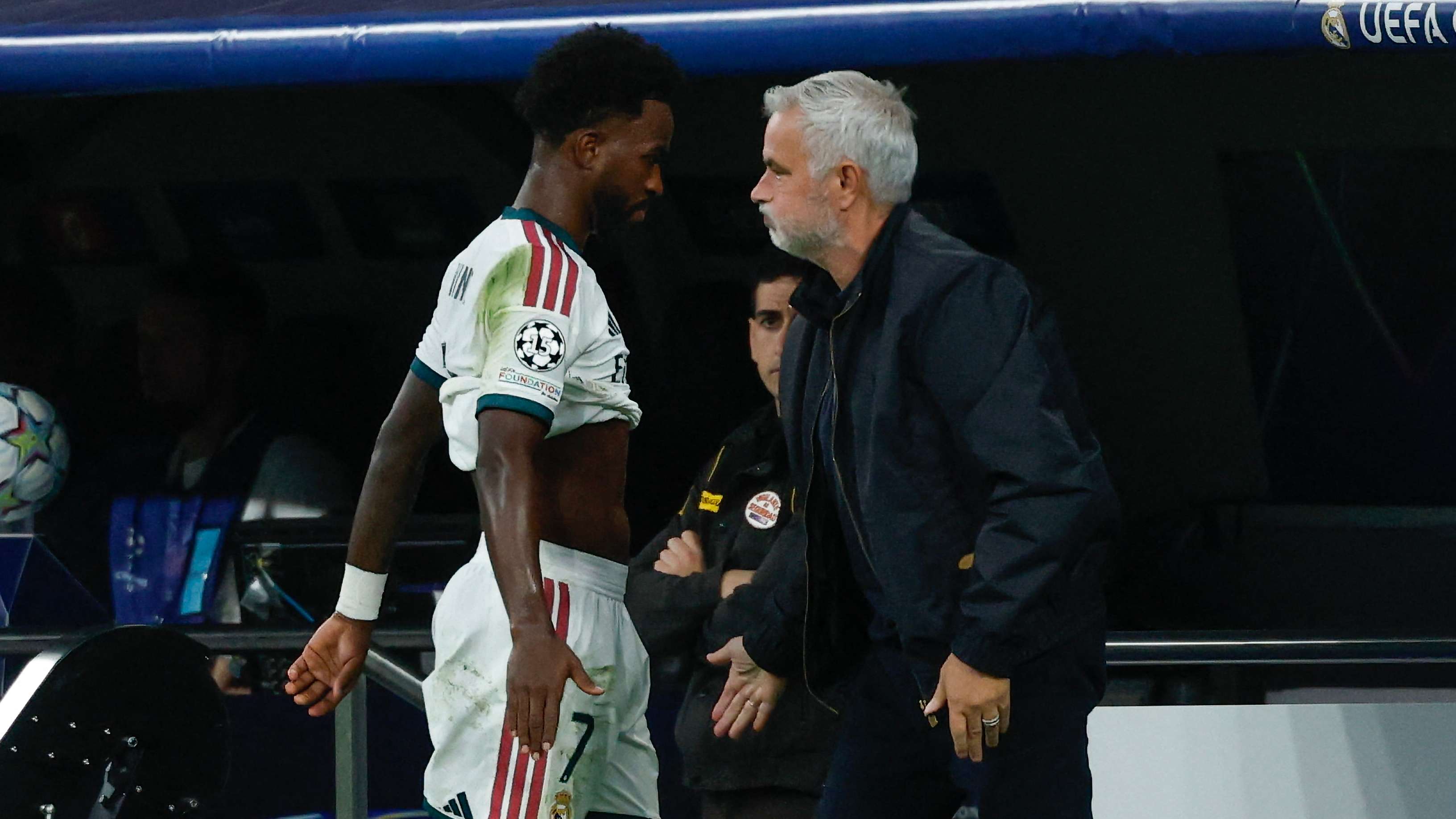
Despite the limited attacking output against Leipzig, coach José Mourinho defended Vinícius’s performance and cautioned against judging him solely by the expectations attached to his name. The winger is often expected to decide matches through individual brilliance, Mourinho acknowledged, but he said he was satisfied with the player’s contribution to the team.
Mourinho highlighted Vinícius’s defensive work, particularly his effort to track Leipzig’s right-back when the defender moved into central areas. By closing spaces and helping maintain the team’s defensive balance, the Brazilian took on responsibilities that are less visible than a successful dribble or goal. Mourinho also noted that Vinícius did not give the ball away carelessly and had a scoring opportunity that the goalkeeper dealt with well.
The coach also explained that taking Vinícius off was a tactical choice rather than a punishment for poor play. With options such as Diomande and Endrick available, Mourinho wanted to change the match’s rhythm and introduce different qualities from the bench. His comments suggest that substitutions may increasingly reflect squad depth and tactical flexibility, rather than a straightforward verdict on an individual’s performance.
Support from the Bernabéu matters
Mourinho also addressed the pressure Vinícius faces from supporters. He said criticism from opposing fans can sometimes motivate a player, while boos from a team’s own crowd can be more difficult to handle. The distinction is significant for a high-profile footballer whose performances are closely scrutinized and whose emotional response is often interpreted as part of the story.
Reports describing Vinícius as subdued against Leipzig have added to the discussion, but his mood remains a personal matter. Mourinho said only the player himself can explain how he feels. That is a useful reminder that body language and a quiet performance do not necessarily reveal what is happening behind the scenes. The most reliable measure will be how Vinícius responds when he returns to action.
Diomande’s opportunity—and the numbers behind it
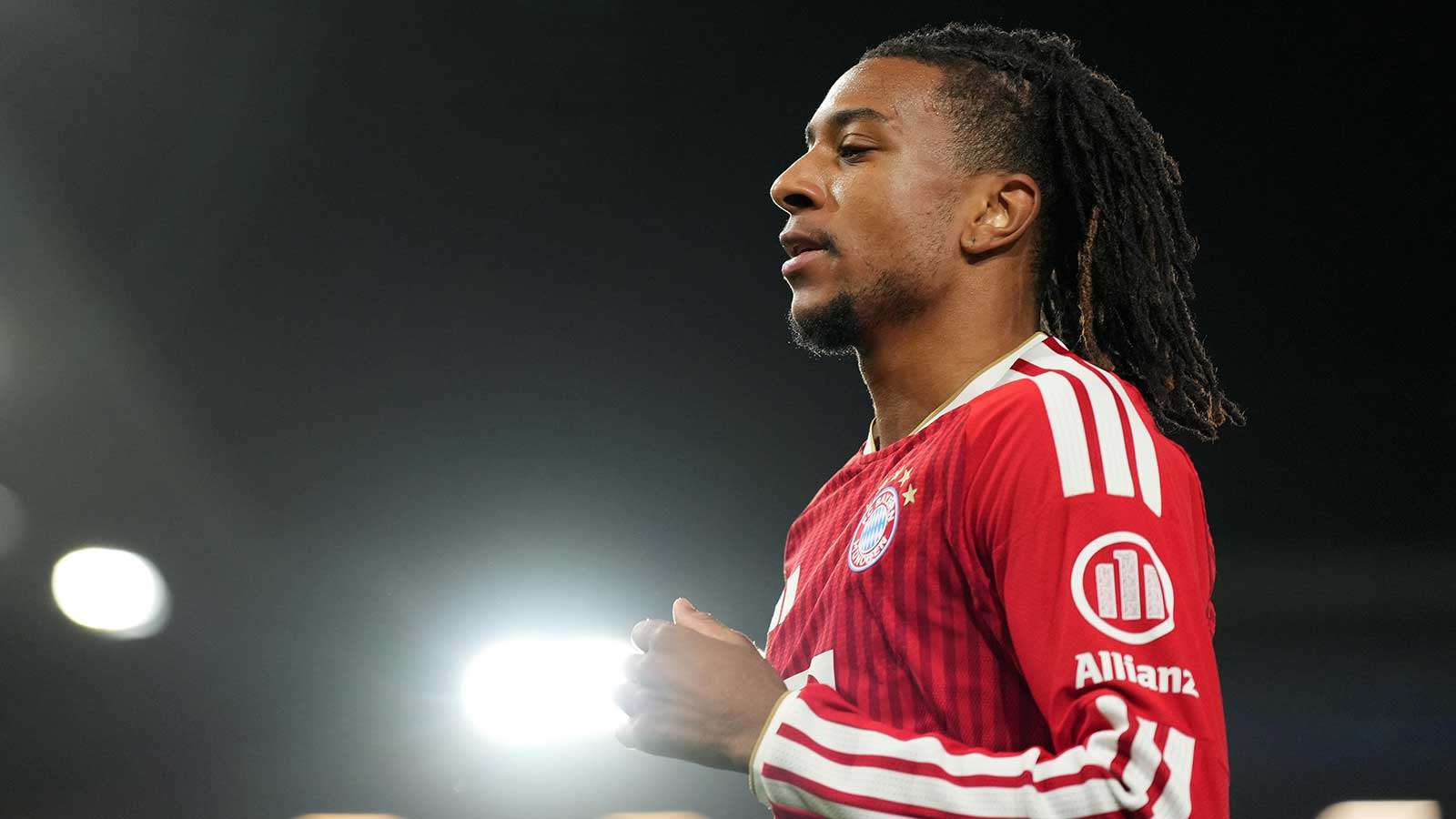
Vinícius’s absence gives Diomande a chance to earn more minutes on either flank. The figures cited in the report show why the Ivorian is attracting attention: he has attempted 47 dribbles this season, completing 66 percent, while Vinícius has attempted 38 and succeeded with 42 percent. Diomande has played 565 minutes, compared with more than 800 for Vinícius, so the raw totals do not tell the whole story. Still, the difference in success rate makes the competition for wide attacking roles an intriguing subplot.
Dribble statistics can offer useful context, but they should not be treated as a complete measure of a winger’s value. A player may draw defenders, create space for teammates, press effectively or choose a safer pass when the situation demands it. Vinícius’s recent defensive contribution, as Mourinho described it, is one example of work that a simple attacking metric may not capture. Diomande’s challenge will be to turn his promising numbers into consistent influence against varied opposition.
What comes next for Real Madrid?
With Vinícius unavailable, Diomande could feature prominently during the run of league matches that includes Barcelona, Racing and Valencia. The precise lineup will depend on fitness, tactics and the demands of each game, but Madrid will need to redistribute the pace and one-on-one threat usually supplied by the Brazilian. Endrick and other attacking options may also be asked to provide a different kind of movement and energy.
Vinícius is expected to return on 4 November for Real Madrid’s Champions League trip to AEK Athens. That fixture should offer the first clear opportunity to see whether the quiet displays against Roma and Leipzig were simply a brief interruption or a sign that he needs time to regain his sharpness. The break may prove useful: it gives him space to reset while allowing Madrid to test its attacking depth.
For now, the mystery at the Bernabéu remains unresolved. Vinícius’s recent lack of dribbles is unusual, but it does not erase his record as one of Real Madrid’s most influential attackers. The coming matches will reveal how effectively the team adapts without him—and whether Diomande can seize his opportunity. When Vinícius returns, the key question will be whether his trademark confidence and directness reappear.