
Barcelona Fined After Objects Are Thrown During El Clásico
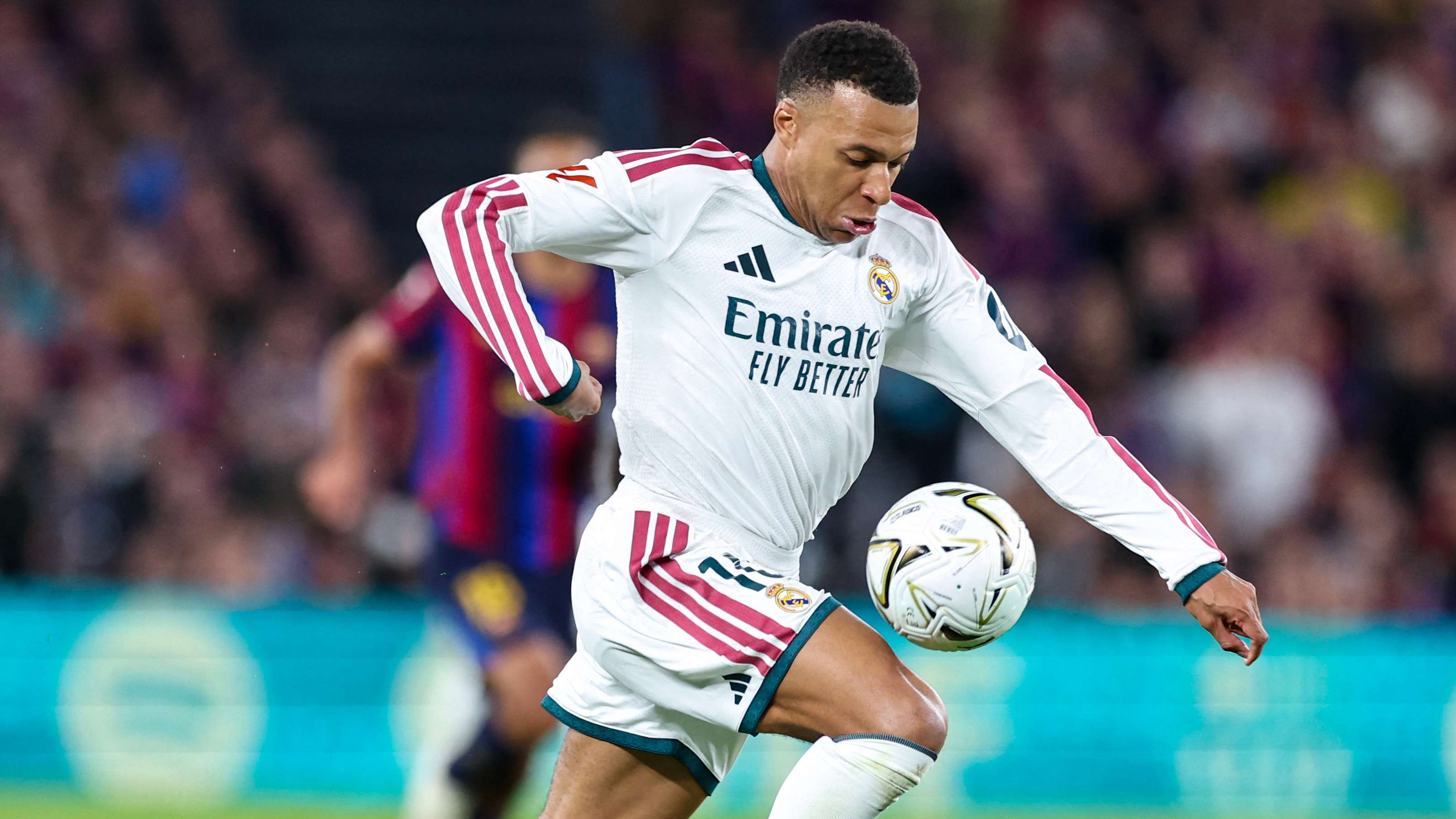
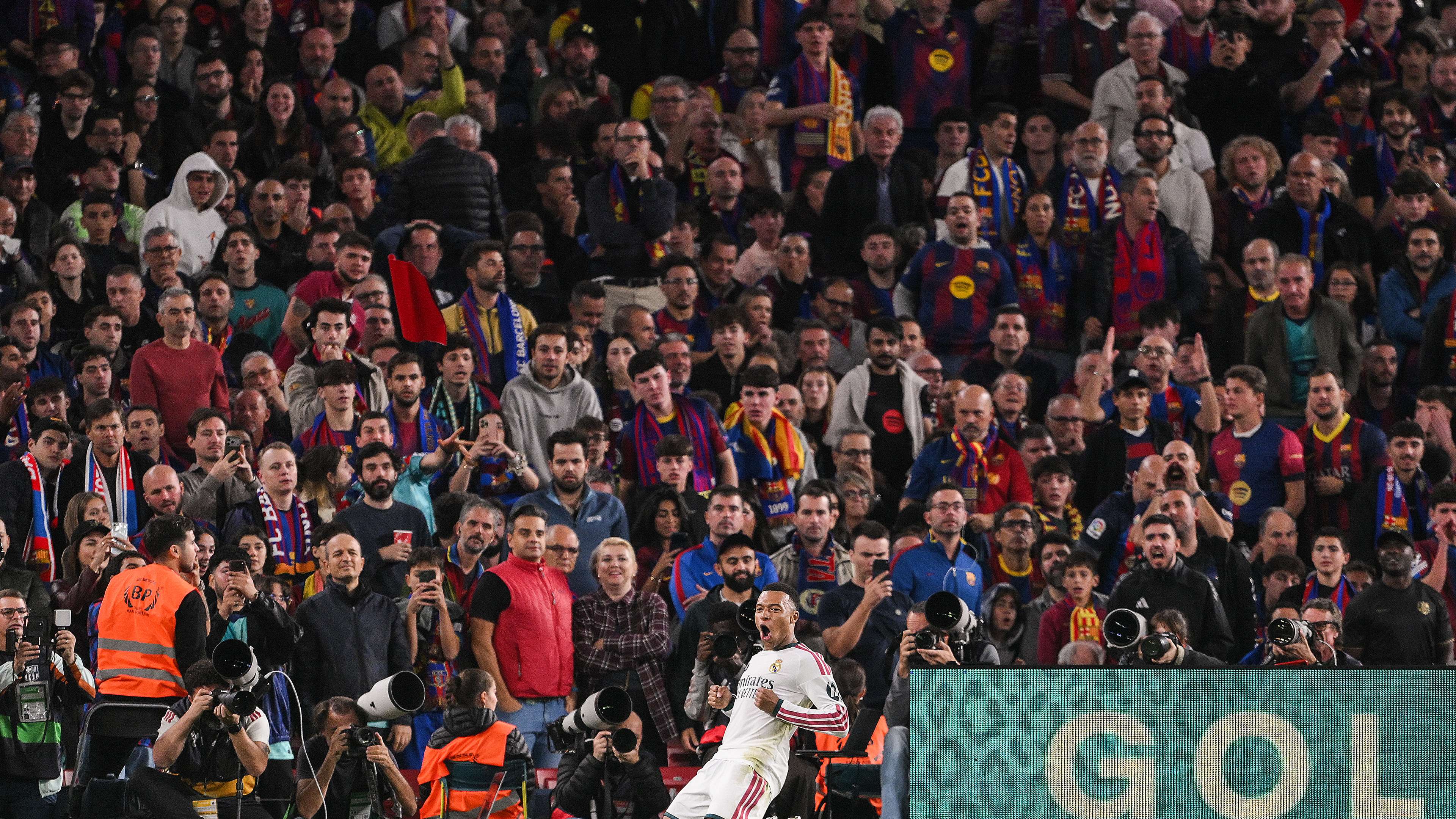
Barcelona have been sanctioned by the Spanish Football Federation after objects were thrown from the stands during last Sunday’s El Clásico against Real Madrid at Spotify Camp Nou. The incident occurred late in the match, shortly after Kylian Mbappé scored his second goal, and led the referee to briefly stop play and address the crowd.
The federation’s disciplinary committee reviewed the referee’s report and classified the episode as a minor crowd-disorder offence. Spanish newspaper Marca reported that the committee applied Article 117 of the federation’s disciplinary code, which allows for a fine of up to €602 in cases of this kind. The precise amount Barcelona must pay has not been made public.
Play stopped after objects were thrown
The incident took place in the 87th minute, as Real Madrid players celebrated Mbappé’s goal. According to referee José María Sánchez Martínez—identified in the match report as Martínez Munuera—several objects were thrown towards the pitch from the northern stand. They reportedly included a water bottle and a bottle containing a fizzy drink.
None of the objects struck a player, and there were no reports of injuries. However, the referee paused the match, used the stadium’s public-address system to warn supporters and urged them not to repeat the behaviour. The episode was then recorded in the official report and referred to the disciplinary committee for consideration.
Although the interruption was brief, the response underlines how match officials are expected to act when objects enter the field of play. Even when nobody is hit, throwing items can create a safety risk for players, staff and spectators, as well as disrupt the match. The referee’s report is particularly important in such cases because it provides the federation with an official account to assess after the final whistle.
What Article 117 means for Barcelona
Article 117 of the Spanish Football Federation’s disciplinary code addresses minor offences connected with crowd disorder. Where an incident falls into that category, the club considered responsible can face a fine of up to €602. The committee’s classification means it treated the objects being thrown as a minor breach rather than a more serious disciplinary matter.
The maximum figure is not necessarily the amount Barcelona will ultimately pay. The committee has not disclosed the final financial penalty, and the reported €602 limit should therefore be understood as the ceiling permitted under the article—not confirmation of the club’s exact bill.
For Barcelona, the sanction adds an administrative consequence to a high-profile fixture that already attracted attention for its footballing drama. The objects were thrown after Mbappé’s second goal, linking the disciplinary incident to one of the decisive moments of the contest. That timing does not change the rules governing crowd behaviour, but it helps explain why the episode was captured in the referee’s report and became part of the post-match review.
Why crowd conduct matters in high-profile football
El Clásico is one of the most closely watched fixtures in world football, with intense rivalry and heightened emotion often accompanying the match. That atmosphere is part of what makes the Barcelona–Real Madrid contest so compelling, but stadium rules apply regardless of the occasion or the scoreline. Supporters are expected to keep objects away from the pitch and allow the game to proceed safely.
Clubs also have a practical interest in preventing incidents. A thrown bottle may appear minor if it causes no injury, yet similar actions can lead to players being struck, matches being delayed or disciplinary authorities imposing stronger sanctions. Stadium announcements, stewarding and clear communication with fans are among the measures clubs can use to discourage such behaviour.
The case also illustrates the distinction between an incident being recorded and a severe punishment being imposed. The referee documented what happened, the federation examined the evidence and the committee applied the rule it considered relevant. Because the objects did not hit anyone and the offence was classified as minor, the reported maximum penalty remains limited compared with sanctions that can follow more serious crowd disturbances.
Match result, discipline and the prediction conversation
For supporters following the result, the disciplinary decision is separate from the sporting assessment of the match. Mbappé’s goal and Real Madrid’s performance will continue to shape discussion about the teams’ form, while Barcelona’s fine concerns conduct in the stands rather than the players’ actions on the pitch.
That distinction matters for anyone weighing up a future football prediction involving either club. A fine of this scale is not, by itself, a reliable indicator of how Barcelona will perform in upcoming fixtures. Form, injuries, tactical choices, squad availability and the quality of the opposition are far more relevant factors when assessing a match. The incident may prompt discussion about stadium atmosphere and crowd management, but it should not be confused with a change to the teams’ competitive standing.
Barcelona’s upcoming schedule will now bring attention back to La Liga, where every point can influence the title race and the broader battle for European places. Meanwhile, the federation’s ruling serves as a reminder that clubs can face consequences when supporters throw objects, even if the items miss their intended targets and the match continues without injury.
For now, the key details are clear: objects were thrown from the northern stand after Mbappé scored in the 87th minute, the referee stopped play and issued a warning, and the disciplinary committee treated the incident as a minor offence under Article 117. Barcelona’s exact fine remains undisclosed, with €602 representing the maximum reported penalty available under the rule.