
Mbappé Mao Zedong Meme Sparks Unexpected China Controversy
A satirical football meme made with deepfake technology has unexpectedly become the centre of a diplomatic and commercial controversy involving Kylian Mbappé, Chinese businesses and a French video creator. Younes Khalifi, who made the clip in 2023, says he never expected the joke to travel beyond football or to resurface years later with such serious consequences.
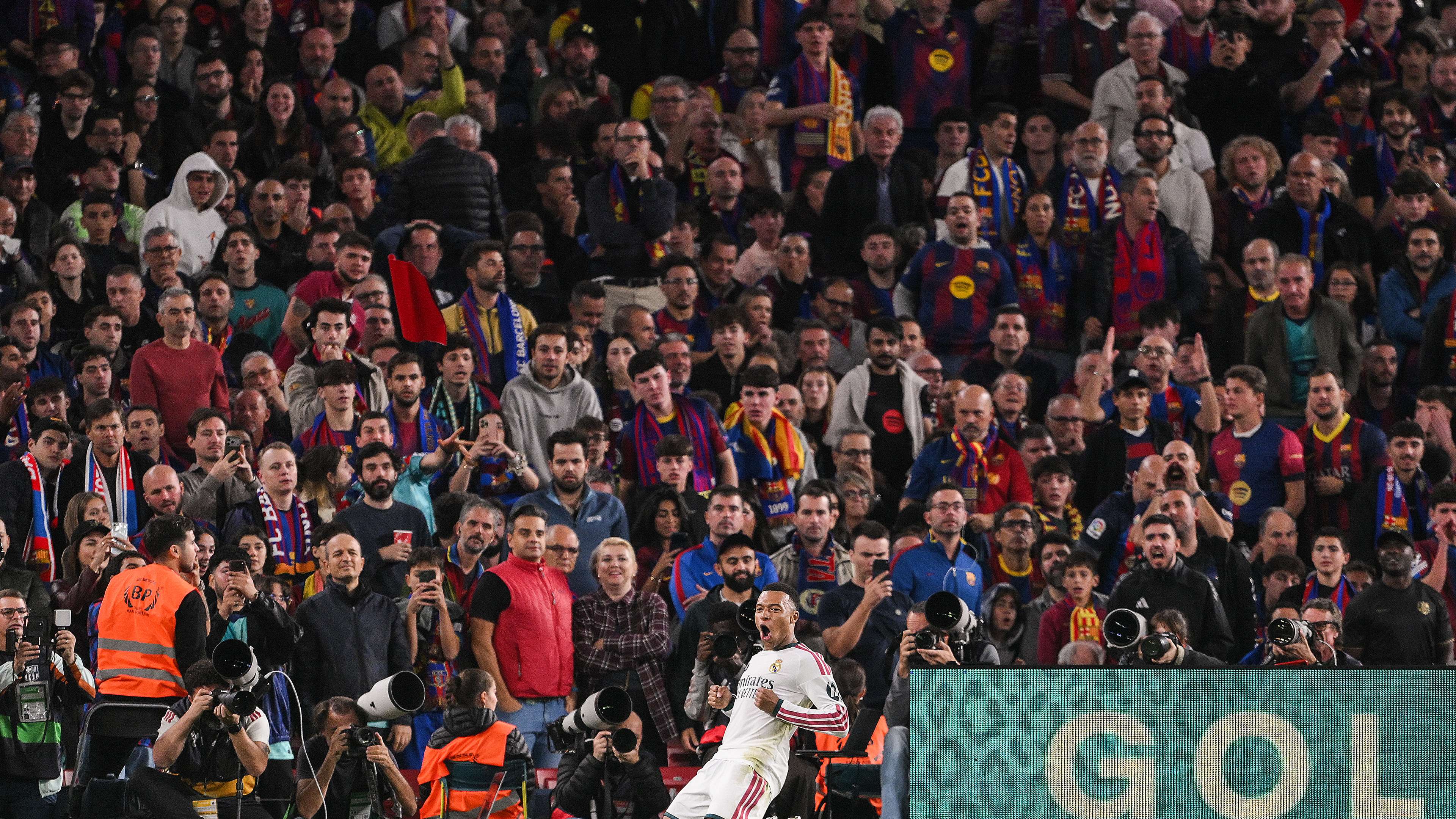
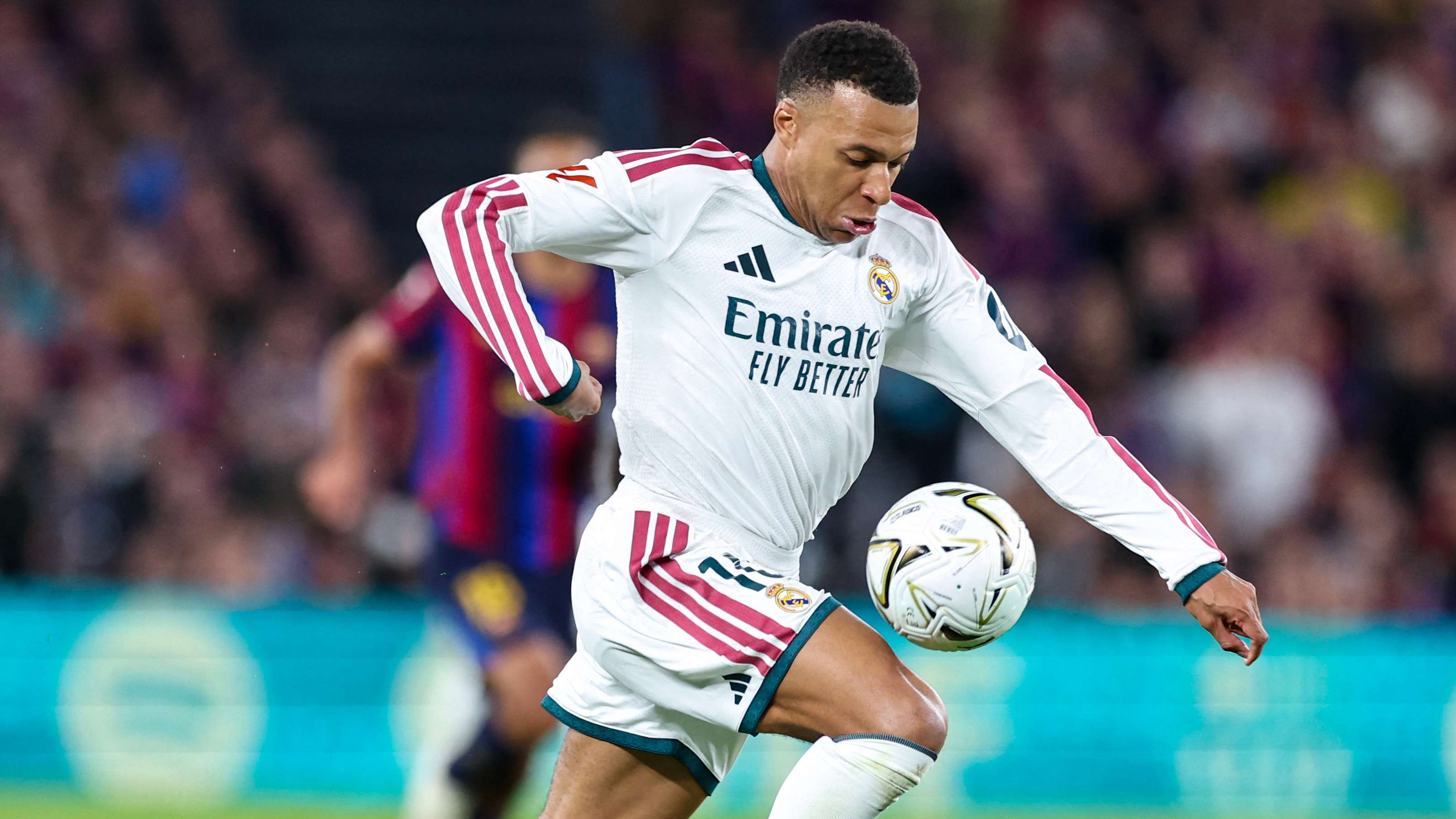
The controversy intensified after Mbappé discussed the meme on the podcast The Bridge. His description of Mao Zedong as a “dictator” prompted a strong reaction in China, where the comment was widely viewed as offensive. The episode has since affected the France captain’s commercial relationships, while Khalifi has expressed sympathy for the player and surprise at the scale of the backlash.
How a 2023 Football Meme Went Viral Again
Khalifi originally posted the video on X in August 2023. Using deepfake technology, he placed Mbappé’s face over images of Mao, creating a short satirical clip at a time when the footballer’s future at Paris Saint-Germain was dominating headlines.
At first, the video attracted little attention in China. It remained largely out of the spotlight until Tuesday, 27 October, when Mbappé recalled it during his podcast appearance. He said it was the meme that had made him laugh most, describing the figure in the clip as a Chinese leader and using the word “dictator.” That single word quickly shifted the conversation from an amusing football anecdote to a sensitive public dispute.
The episode illustrates how online content can take on a very different meaning when it reaches a new audience. A joke created for social media, years earlier and in a football-focused context, can be reinterpreted through cultural and political sensitivities—especially when a globally recognised athlete repeats it to a large audience.
Why the Comment Triggered a Wider Backlash
In China, Mao Zedong remains a major and deeply significant historical figure. As a result, describing him as a dictator was received by many as more than casual commentary about a meme. Chinese authorities characterised the episode as “an act that hurts the feelings of the people,” while companies in the country suspended partnerships with Mbappé.
For the football star, the consequences were therefore not limited to criticism on social media. The reaction raised questions about sponsorships, reputation and the risks international athletes face when their words cross cultural boundaries. A remark that might sound like an offhand description in one setting can carry much greater weight elsewhere, particularly when it involves a country’s history and national identity.
The situation also shows how commercial decisions can follow public controversy at speed. Brands operating in large markets often respond cautiously when a prominent partner becomes the focus of a politically sensitive debate. That does not necessarily mean every company will take the same position, but it helps explain why the fallout extended beyond the original clip.
Creator Says the Idea Came From Football and AI
Speaking to French newspaper Le Parisien, Khalifi said he was pleased when Mbappé identified the video as his favourite meme—but shocked by what happened next. He said he saw the podcast discussion on Monday evening and initially viewed the recognition as a positive moment. He did not anticipate that the clip would cross borders and contribute to a diplomatic controversy.
Khalifi explained that the video emerged from two interests coming together: football and developing technology. He followed the sport, worked as a developer and was experimenting with deepfake and artificial intelligence tools to make humorous videos. With Mbappé’s PSG future dominating news coverage in the summer of 2023, the footballer was already a familiar subject, and Khalifi decided to combine those interests in a satirical edit.
He stressed that he had not intended to insult Chinese people or make a political statement. In his account, the clip was created as humour, without an expectation that it would later be discussed by Mbappé or become widely shared in China. The gap between the creator’s original intention and the public response has become a central part of the story.
Khalifi Expresses Sympathy for Mbappé
Khalifi said he felt sorry for Mbappé, arguing that the player was facing consequences disproportionate to what he described as an unintended slip. He pointed to the loss of sponsors and the possibility of losing access to a potential audience, adding that it was sad to see the footballer carrying the burden of a controversy that began with an old meme.
The creator also addressed the situation directly on X, joking anxiously that he had woken up to find himself at the centre of a diplomatic crisis. In a post aimed at Mbappé, he said he would be financially ruined if the player filed a lawsuit against him, adding that he had nothing of value to recover.
As attention from Chinese users grew, Khalifi also posted a message expressing respect for China’s history and culture. He described Mao as one of the most influential figures in world history, said he hoped to visit China one day and ended with a call for Chinese-French friendship.
What the Controversy Means for Football and Online Culture
The episode offers a reminder that footballers’ public comments can have consequences far beyond the pitch. Global stars such as Mbappé speak to audiences across countries with different histories, expectations and sensitivities. Even a brief reference to a meme can become a major story when it touches on politically charged subjects.
It also highlights the lasting reach of AI-generated content. Deepfake tools make it easier to create convincing, shareable edits, but the meaning of those clips can change as they circulate. A video may be intended as harmless satire, yet later resurface without its original context and acquire a significance its creator never anticipated.
For fans following the latest football news, the Mbappé controversy is a striking example of how a meme can influence a player’s public image, commercial prospects and international relationships. Khalifi’s account adds context to the clip’s origins, but the broader lesson is clear: in a connected media environment, jokes rarely remain confined to the audience for which they were first made.
As the debate continues, the story is likely to prompt further discussion about online humour, cultural awareness and the responsibilities that come with global visibility. What began as a football-inspired experiment with deepfake technology has become a reminder that digital content can travel much farther—and carry much greater weight—than its creator ever intended.