
Claude Makelele’s Holding-Midfield Legacy Still Shapes Football
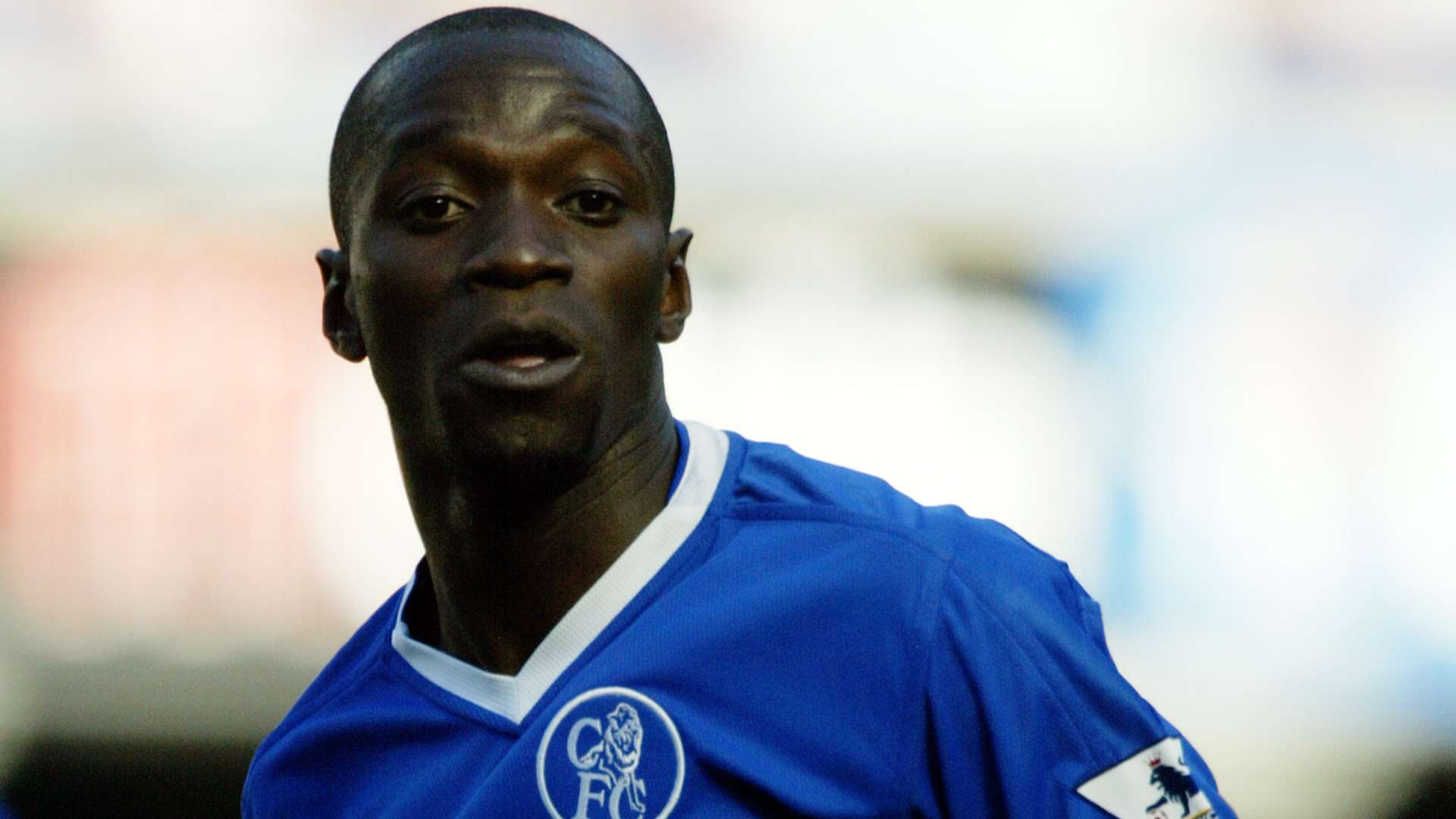
Claude Makelele remains the greatest holding midfielder of all time, according to his former Paris Saint-Germain teammate Youssouf Mulumbu. Speaking to GOAL, Mulumbu praised the Frenchman’s influence on football and argued that today’s leading midfielders continue to draw inspiration from the role Makelele made famous.
Makelele’s reputation was built on more than tackles and interceptions. He brought discipline, balance and intelligence to the centre of the pitch, protecting his defenders while giving more creative teammates the freedom to attack. His understated style helped redefine what a defensive midfielder could contribute—and why the position matters so much to a successful team.
Why Makelele Became the Benchmark
During a career that included spells at Real Madrid, Chelsea and Paris Saint-Germain, Makelele became renowned for his ability to read danger before it developed. Rather than chase the ball unnecessarily, he positioned himself to block passing lanes, disrupt counter-attacks and recover possession in areas where his team could quickly regain control.
That work often happened away from the spotlight. While goals and assists naturally attract attention, Makelele’s value was reflected in the structure he gave his side. His presence allowed attacking midfielders and forwards to take greater risks, knowing there was a reliable player behind them ready to cover space and protect the defence.
His importance at Real Madrid was so widely discussed that the phrase “the Makelele role” became shorthand for the specialist duties of a holding midfielder. It captured a simple but essential idea: a team needs someone who can do the difficult, often unnoticed work that allows its most creative players to flourish.
Mulumbu’s View of His Former PSG Teammate
Mulumbu’s assessment carries particular weight because he shared a dressing room with Makelele at PSG. In naming the Frenchman the GOAT of holding midfielders, he is recognising not only his technical qualities but also the influence he had on teammates and on the wider understanding of the position.
Makelele’s leadership was closely connected to his approach to the game. He set standards through concentration, commitment and consistency, showing that a midfielder did not need to dominate possession or produce spectacular moments to shape a match. For younger players, his example offered a practical lesson in positioning, discipline and teamwork.
That legacy is especially relevant in modern football, where midfielders are expected to perform several jobs at once. They may be asked to screen the defence, press opponents, help build attacks and cover wide areas when full-backs move forward. The role has become more demanding, but the underlying principle remains familiar: the team needs a player who understands how to maintain its balance.
Vitinha and Caicedo Among Today’s Standout Midfielders
In 2026, Vitinha and Moises Caicedo are among the high-profile players associated with the modern holding-midfield conversation. Their games differ from Makelele’s in important ways, reflecting changes in tactics and the greater technical demands placed on players in central areas. Yet both illustrate how the position continues to evolve while retaining its defensive foundations.
Vitinha is noted for his composure and ability to help his team progress the ball through midfield. A player in that mould must combine positional awareness with confidence in possession, offering a safe passing option under pressure while helping attacks move forward. In contemporary systems, the holding midfielder is often the starting point for a team’s build-up, not simply the last line of protection before the defence.
Caicedo, meanwhile, brings a powerful blend of energy, ball-winning and ground coverage. His responsibilities can include pressing opponents, competing for possession and recovering quickly when his team loses the ball. Those qualities reflect the physical intensity of modern football, where transitions can happen in seconds and a midfielder’s ability to react immediately can determine whether a counter-attack becomes dangerous.
Neither player needs to be a direct copy of Makelele to carry part of his legacy. Modern midfielders operate in different tactical environments, with more emphasis on pressing, passing range and positional flexibility. The connection lies in the responsibility they share: helping a team remain secure while enabling its attacking players to operate with confidence.
How the Holding-Midfield Role Has Changed
Today’s holding midfielder is rarely asked to remain in one fixed position for an entire match. Depending on the system, the player may drop between centre-backs during possession, move across to cover an advancing full-back or step forward to press an opponent receiving the ball. These decisions require sharp awareness and a clear understanding of the team’s shape.
At the same time, clubs increasingly value midfielders who can contribute to the first phase of possession. A player who wins the ball but cannot retain it may leave a team under pressure again almost immediately. The strongest modern options therefore combine defensive judgement with passing quality, calm decision-making and the ability to resist an opposing press.
That evolution makes comparisons across generations complicated. Makelele played in a different tactical era, while current stars face faster transitions and more complex pressing systems. A fair football prediction is that the position will continue to become more versatile, with elite holding midfielders expected to defend space, dictate tempo and support attacks within the same passage of play.
A Legacy Measured in Influence
Makelele’s lasting standing is not based solely on trophies or individual statistics. His broader impact can be seen in the way coaches build their midfields and in the qualities they seek from players operating in front of the defence. Reliability, anticipation and tactical discipline remain central, even as the role expands to include more responsibility on the ball.
Mulumbu’s praise underlines why Makelele continues to be a reference point for players and supporters. The Frenchman demonstrated that defensive work can be a form of leadership and that a midfielder’s influence is not always measured by the moments that make highlight reels. Sometimes the most important contribution is preventing danger, keeping the team connected and making everyone around you more effective.
Vitinha, Caicedo and other leading midfielders may bring different strengths to the modern game, but the standard Makelele established still resonates. As football continues to change, the demand for intelligent players who can protect, organise and connect a team is unlikely to disappear. That enduring need is a major reason why Makelele’s name remains at the heart of any debate about the greatest holding midfielders.