
New York Red Bulls vs Club América: Friendly Match Erupts Into Mass Brawl
A football friendly between the New York Red Bulls and Club América ended in extraordinary scenes, with six players sent off after a late mass brawl turned the contest into a confrontation. Despite the disorder, the Red Bulls held on for a 1-0 victory, with Nehuen Benedetti scoring the decisive goal.
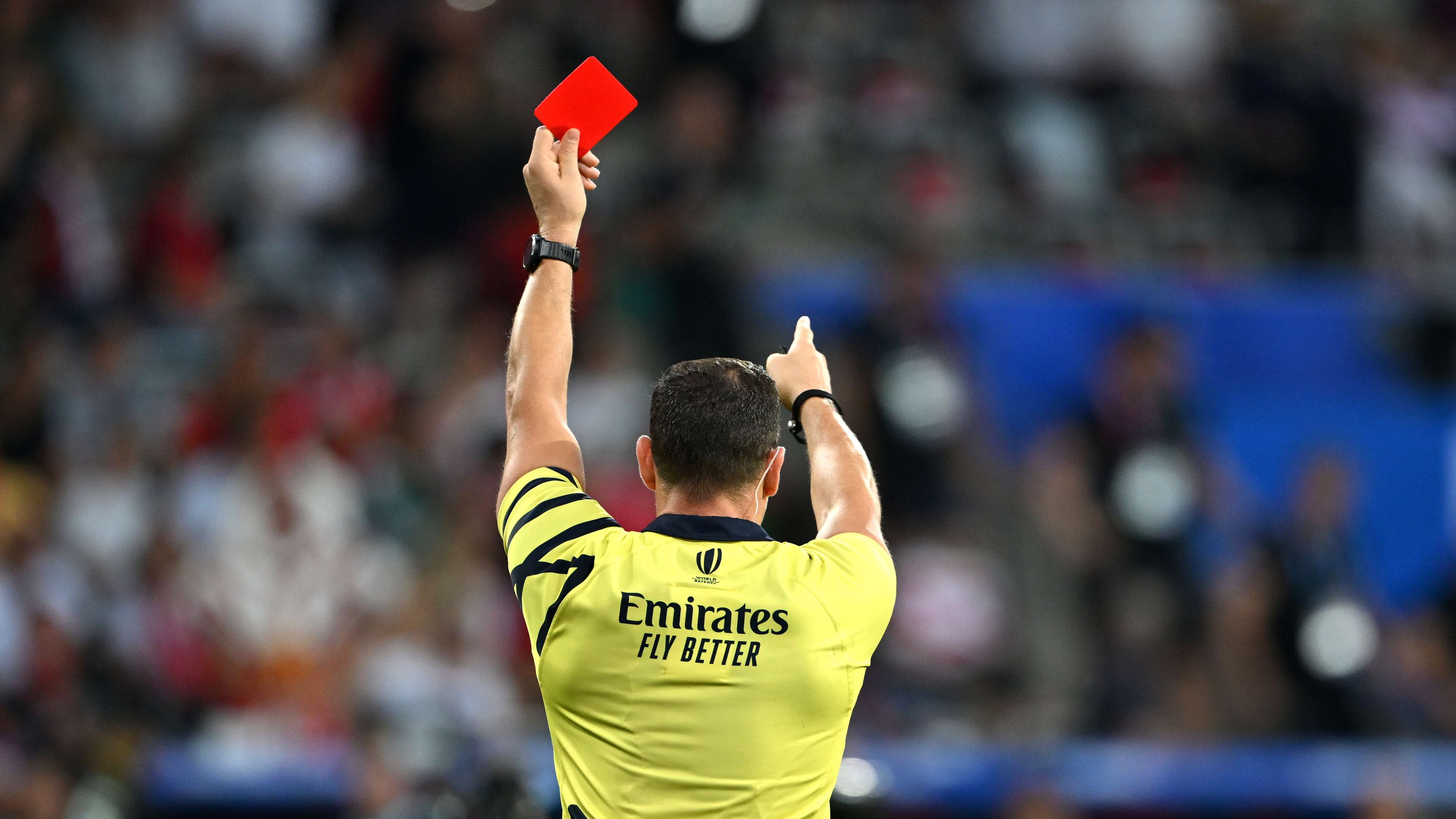
The match was billed as a friendly, but the closing stages showed how quickly competitive tension can overwhelm the spirit of an exhibition game. Players exchanged punches, substitutes and coaching staff rushed onto the field, and supporters threw cups and bottles toward the action. The referee eventually dismissed three players from each team, leaving both sides with only eight men.
How the Red Bulls–América brawl unfolded
Tensions boiled over after Andy Rojas struck Club América player Dagoberto Espinoza, triggering a wider confrontation. As players converged, one footballer fell to the ground while another chased an opponent around the back of the goal. The disturbance spread beyond the players directly involved, drawing in substitutes and members of both coaching staffs as they tried to separate the combatants.
Fans also made their anger and excitement clear, with reports describing cups and bottles being thrown onto the pitch. With tempers still high, officials and team personnel worked to restore order. The situation calmed only after players were urged to leave the field, bringing a chaotic end to a match that had otherwise been decided by a single goal.
The dismissals were evenly split. New York Red Bulls lost Nehuen Benedetti, Ronald Donkor and Rojas, while Club América had Emilio Lara, Ramón Juárez and Espinoza sent off. The six red cards dramatically changed the match’s final moments, though Benedetti’s goal remained the difference on the scoreboard.
Michael Bradley says emotion is part of football
Red Bulls head coach Michael Bradley played down the idea that the incident was impossible to understand in a competitive setting. Bradley, the son of former Swansea manager Bob Bradley, said football is a sport shaped by emotion and rejected the notion that friendly matches are always free of intensity.
“It’s football, it’s full of emotion, always,” Bradley said, adding that players want to compete and win whenever they step onto the field, regardless of what a match is called. He also noted that Club América is a major club with quality players, and said the occasion was one his team had been looking forward to.
Bradley’s comments reflect a familiar tension in exhibition football. Clubs may use friendlies to build fitness, test combinations and give players valuable minutes, but the competitive instincts of professionals do not switch off when the result is described as secondary. A high-profile opponent, a packed atmosphere or a late challenge can quickly raise the temperature.
That does not make violence an inevitable part of the game. Rather, the Red Bulls–América incident highlights the challenge for players, coaches and officials: maintaining intensity while ensuring that frustration does not escalate into conduct that risks injuries, suspensions or further disruption. The sight of staff and substitutes entering the pitch may help stop a fight, but it also underlines how rapidly a situation can spread once control is lost.
A 1-0 result overshadowed by six red cards
For the Red Bulls, the win provided a positive result, but Benedetti’s decisive strike was largely overshadowed by the scenes that followed. A narrow scoreline had kept the contest alive, and the late confrontation became the defining story of the night. Both teams were reduced to eight players, an unusual finish even for a match with little at stake in the standings.
The outcome also offers a reminder that a football prediction based on team quality or recent form cannot account for every factor on match day. Red cards, injuries and emotional flashpoints can transform a game’s shape in minutes. In this case, the goal settled the result, but discipline and crowd behaviour became just as prominent in the post-match conversation.
Brazilian under-20 match sets a remarkable red-card record
The incident in the United States was dramatic, but it was far from the most extreme mass dismissal in football history. Earlier this month, a youth match in Brazil reportedly produced 51 sendings-off, setting a new Guinness World Records mark for the most red cards issued in a football game.
The match between Uberlândia and Mamoré took place in the under-20 Minas Gerais state championship. According to reports, a violent brawl broke out during the first leg of a second-division semi-final, involving nearly everyone on the pitch. Referees stopped the match in the 54th minute, and the fixture did not reach its intended conclusion.
The reported total surpassed the previous record of 36 dismissals, set during a match in Argentina in 2011. The scale of the Brazilian incident illustrates how mass confrontations can overwhelm the normal structure of a game, leaving officials with the difficult task of identifying participants and deciding whether play can safely continue.
Why mass confrontations matter beyond the final score
Red cards are usually associated with individual offences, such as dangerous tackles or deliberate handball. A mass brawl presents a different challenge: officials must assess multiple incidents at once, while trying to protect players and restore order. Video footage and post-match reports can help clarify what happened, but the immediate priority remains safety.
For clubs, the consequences may extend beyond a lost match or a damaged reputation. Disciplinary reviews can lead to suspensions, fines and questions about security and player conduct. In a friendly, those repercussions can be particularly frustrating because the match is often intended to prepare squads for more important competitions.
The New York Red Bulls’ victory over Club América will therefore be remembered for more than Benedetti’s goal. Six dismissals, objects thrown from the stands and a pitch-wide confrontation turned a routine exhibition into a striking example of football’s emotional extremes. As the record-setting Brazilian match shows, when tempers take over, even the final score can become secondary.