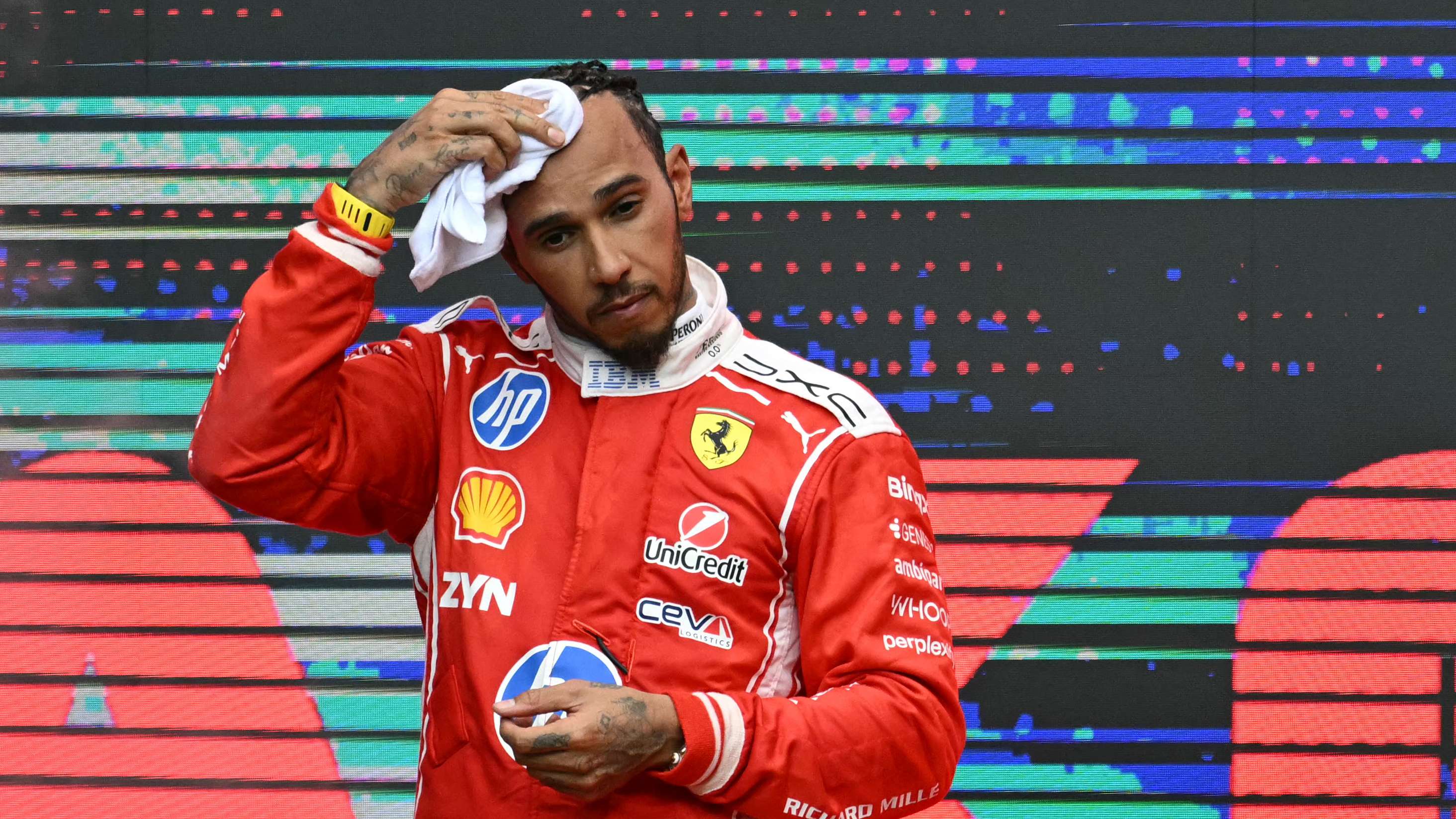

Lewis Hamilton Visits Egypt to Review Humanitarian Aid Efforts for Gaza
Seven-time Formula 1 world champion Lewis Hamilton has travelled to Egypt on a humanitarian visit focused on the delivery of relief supplies to Palestinians in the Gaza Strip. Away from the attention of the racing calendar, the British driver is using his public profile to draw attention to aid operations supporting people affected by the ongoing crisis.
Hamilton arrived at El Arish International Airport, where he was welcomed by Khaled Megawer, Governor of North Sinai. His programme includes visits to key locations involved in receiving, storing and coordinating humanitarian assistance before it is sent towards Gaza. The trip offers the motorsport star a closer look at the practical work behind relief deliveries, from logistics and preparation to the movement of supplies.
Visit to Rafah and El Arish aid facilities
One of the planned stops is the Rafah land crossing, where Hamilton is expected to observe Egypt’s efforts to receive and facilitate humanitarian aid destined for the Gaza Strip. The crossing has played an important role in relief operations, although the movement of supplies depends on complex security, access and coordination arrangements.
Hamilton is also set to inspect Egyptian Red Crescent logistical warehouses in El Arish. These facilities help organise shipments and prepare essential goods for onward delivery. Relief operations often involve more than gathering food, medicine and other necessities: supplies must be sorted, stored, tracked and coordinated with the organisations responsible for distributing them.
By visiting the warehouses and crossing, Hamilton can see how these stages fit together. His itinerary is intended to provide a direct view of the systems supporting humanitarian assistance, as well as the challenges involved in moving aid into a conflict-affected area. The visit also brings international attention to the people and organisations working behind the scenes to sustain relief efforts.
From Formula 1 champion to humanitarian advocate
Hamilton is one of the most decorated drivers in Formula 1 history. His seven world championships and 105 Grand Prix victories place him among the sport’s defining figures. Fans are accustomed to seeing him in the intense setting of a race weekend, where strategy, speed and split-second decisions dominate the headlines. In Egypt, however, his focus is on a different kind of operation—one centred on humanitarian support rather than competition.
The contrast between the global spectacle of Formula 1 and the realities facing civilians in conflict zones is striking. Yet Hamilton’s visit reflects a broader pattern in his public life: he has repeatedly used his platform to support causes beyond motorsport. His involvement can help bring wider media and public attention to issues that may otherwise receive less coverage, while also encouraging audiences to learn more about aid work and the needs of affected communities.
His presence does not replace the work of humanitarian organisations or the expertise of local responders. Instead, the visit offers an opportunity to highlight their efforts and the importance of coordinated assistance. Effective relief depends on sustained cooperation among aid groups, authorities, logistics teams and donors—not simply on the arrival of supplies at a border point.
Mission 44 and Hamilton’s wider social work
Hamilton’s humanitarian engagement is consistent with his long-standing interest in social issues, particularly education and equality. In 2021, he founded Mission 44, an organisation designed to help young people access better opportunities in education and employment. Hamilton committed £20 million of his own money to the initiative, demonstrating a substantial personal investment in its work.
Mission 44 focuses on improving prospects for young people, especially those who face barriers to participation and advancement. While its work differs from emergency relief, both efforts reflect a shared concern with opportunity, inclusion and the conditions people need to build secure futures. Hamilton’s Egypt visit extends that commitment into the humanitarian sphere, where immediate needs and longer-term challenges often intersect.
For public figures, lending their name to a cause can attract attention, but meaningful engagement also requires listening to the organisations and communities closest to the issue. Hamilton’s planned visits to the crossing and Red Crescent facilities place the focus on the practical infrastructure of aid and the people responsible for managing it.
Why the visit matters beyond the headlines
The trip is not a football event, and Hamilton’s appearance has no connection to a football prediction or match result. Nevertheless, readers who follow football and other major sports may recognise the wider influence athletes can have when they use their visibility to bring attention to humanitarian concerns. In a crowded news environment, a familiar sporting figure can help direct audiences towards the work of relief agencies and the realities faced by civilians.
More broadly, the visit underscores how humanitarian aid depends on reliable access and coordination. Warehouses, transport routes and border procedures are crucial links in the chain between donated supplies and the people who need them. Any disruption can affect how quickly assistance reaches its destination, making the work of logistics teams as important as the public-facing moments that attract headlines.
Hamilton’s time in Egypt therefore provides a glimpse into the operational side of relief efforts for Gaza. By visiting El Arish and the Rafah crossing, he is set to see how aid is received and prepared, while using his international profile to spotlight the organisations involved. The journey marks a significant departure from the Formula 1 circuit, but it aligns with a broader record of advocacy that includes education, equality and expanding opportunities for young people.