
Thierry Henry Clarifies Ballon d’Or Gala Jokes After Backlash
Thierry Henry has responded to criticism of his remarks at the Ballon d’Or ceremony, saying several moments from the evening were misunderstood and taken out of context. The former France and Arsenal striker addressed the reaction in an Instagram video, explaining that his comments about Lamine Yamal, Harry Kane and fellow presenter Kate Scott were not intended to offend or provoke.
The gala generated plenty of discussion beyond the award results, with viewers debating Henry’s on-stage jokes and his comments about the leading contenders. In his response, the football icon said he wanted to clarify what happened rather than allow speculation to grow. His explanation also offered a glimpse into the informal exchanges that can sit behind a highly produced awards ceremony.
Henry explains his question to Lamine Yamal
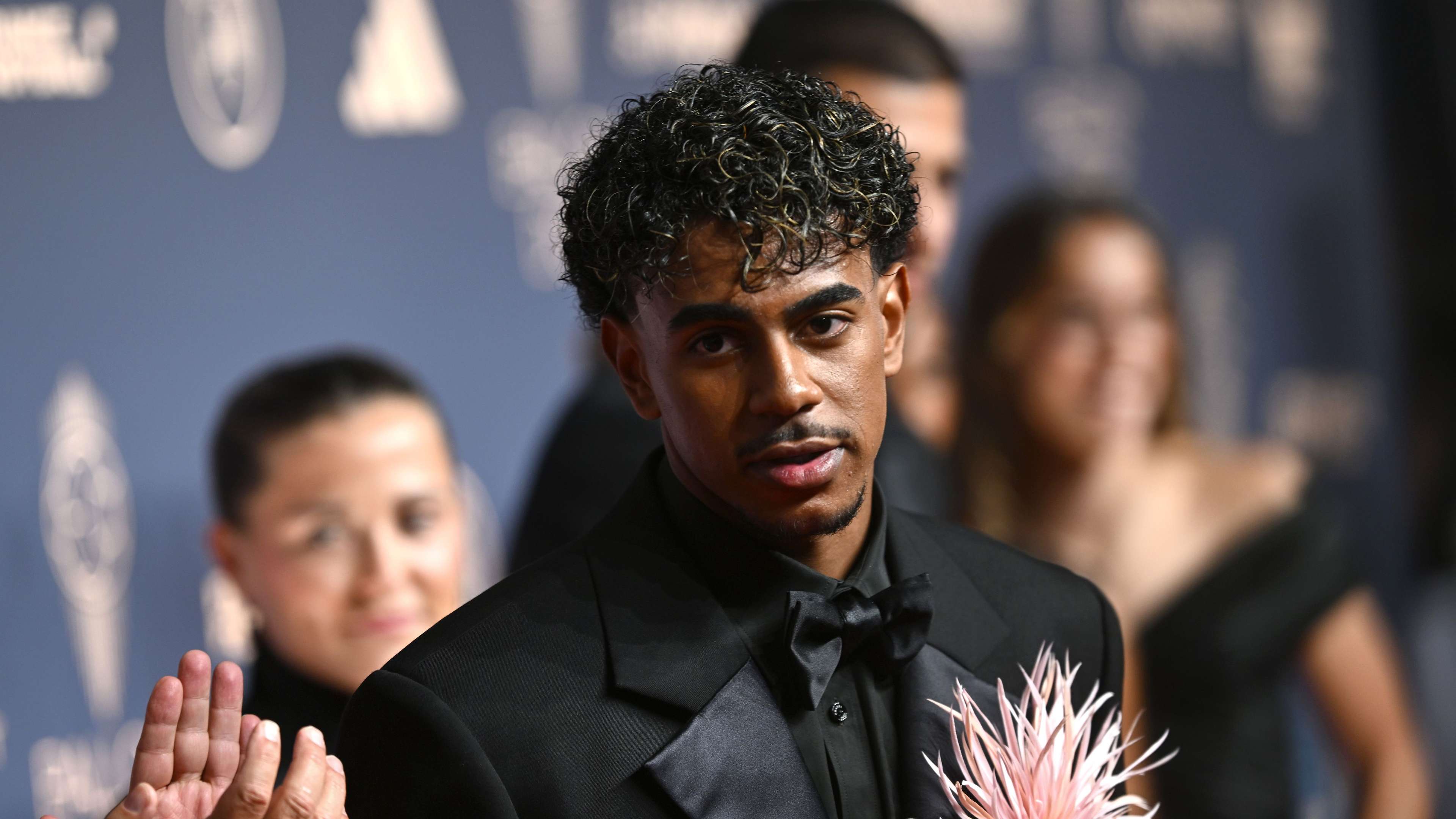
One of the most talked-about moments came early in the ceremony, when Barcelona forward Lamine Yamal collected the Kopa Trophy as the world’s best young player. It was his third consecutive win of the award, an extraordinary achievement that underlined his rapid rise in elite football.
Henry, who co-hosted the event with British presenter Kate Scott, asked Yamal whether the Kopa Trophy was really the prize he had wanted that night. The question carried a teasing edge because the Ballon d’Or was still to be presented, and Yamal had been considered among the candidates for football’s most prestigious individual honour.
Some viewers interpreted Henry’s question as an attempt to draw a boastful response from the teenager. Henry rejected that reading, saying he was not trying to encourage Yamal’s ego or put him on the spot. He acknowledged that people might not have enjoyed the joke, but argued that criticism should not turn into claims about an intention he did not have.
Henry also made clear that his comment was rooted in admiration. He described himself as a major fan of Yamal, calling the young forward an exceptional player and someone he would happily pay to watch. The former striker said he knew the biggest award was still ahead, but Yamal ultimately finished third in the Ballon d’Or standings.
Yamal’s placement behind Kylian Mbappé and winner Harry Kane added another layer to the exchange. For supporters, the result illustrated both the strength of the field and the difficulty of comparing players whose roles, teams and seasons differ. A Ballon d’Or prediction can generate intense debate, but the final ranking reflects a voting process shaped by performances, achievements and individual impact over the relevant period.
Respect for Ballon d’Or winner Harry Kane
Henry also addressed suggestions that he had shown disrespect to Kane by openly favouring Mbappé or Michael Olise in discussions about the award. He said he had congratulated the Bayern Munich striker and considered him a deserving winner, praising the dedication and hard work that helped make Kane’s season so successful.
Henry added that he had been calling Kane “Sir Harry Kane” since the World Cup, a playful expression of the respect he has for the England captain. The comment was intended to underline that having personal favourites does not mean dismissing the achievements of the player who ultimately wins.
Kane had appeared relaxed about Henry’s preferences during a recent interview for CBS Sports, where the two spoke after Bayern Munich’s 2-2 Champions League draw with Arsenal. As Henry explained why he had backed Mbappé or Olise, Kane smiled and told him not to worry about it. That exchange suggested the two football figures were comfortable with the discussion, even as some fans interpreted it more seriously.
That distinction matters in awards season, when predictions and personal opinions often become part of the wider conversation. Analysts, former players and supporters regularly debate who deserves recognition, but a prediction is not the same as a judgment on a player’s character or overall quality. Henry’s clarification was aimed at separating his preferences from his respect for Kane.
Kate Scott was part of the Socrates Awards joke
The former Arsenal star also pushed back against claims that he had been disrespectful to Scott during the ceremony. The pair work together at CBS Sports, and Henry said he would not deliberately undermine his co-presenter. He explained that the moment in question had been planned in advance.
While introducing the Socrates Awards, which recognise footballers’ humanitarian work, Scott pronounced the name as “Socratis” rather than “Socrates.” Henry corrected her, prompting some viewers to interpret the exchange as an embarrassing public rebuke. According to Henry, however, Scott had deliberately delivered the altered pronunciation so that he could correct it as part of a rehearsed gag.
The award is named after the late Brazilian international Sócrates, who was known not only for his footballing ability but also for his social and political engagement. Arsenal forward Bukayo Saka received the honour at the ceremony in recognition of his humanitarian work. The segment therefore combined a serious subject with a brief scripted joke—an approach that can be difficult to read without knowing what happened behind the scenes.
Henry said Scott was in on the joke and encouraged people to ask her about it rather than assume the exchange was hostile. He ended his video by urging viewers to stop inventing stories about the presenters’ relationship.
Why the gala’s lighter moments became a talking point
Major football awards are watched around the world, and short clips from a live ceremony can quickly travel across social media without the context that shaped them. A teasing question, a correction or a personal prediction may be replayed as a standalone moment, making it easy for audiences to reach different conclusions about tone and intent.
Henry’s response highlights the challenge faced by presenters at high-profile events: they need to keep the show lively while respecting the players and guests in the room. His explanations do not require every viewer to find the jokes funny, but they clarify how he says the moments were intended.
The Ballon d’Or ceremony ultimately celebrated Kane’s achievement, recognised Yamal’s remarkable success in the Kopa Trophy category and honoured Saka’s work beyond the pitch. Henry’s comments have added another chapter to the event’s coverage, renewing debate about the awards, the candidates and the line between playful hosting and perceived disrespect.
For fans following every football prediction and awards-season discussion, the episode is a reminder to distinguish between a presenter’s on-stage banter and a considered assessment of a player. Henry says his message was straightforward: he admires Yamal, respects Kane as a worthy winner and shares a friendly working relationship with Scott.