
Juventus CEO Urges Careful Review of FIGC Presidential Candidates
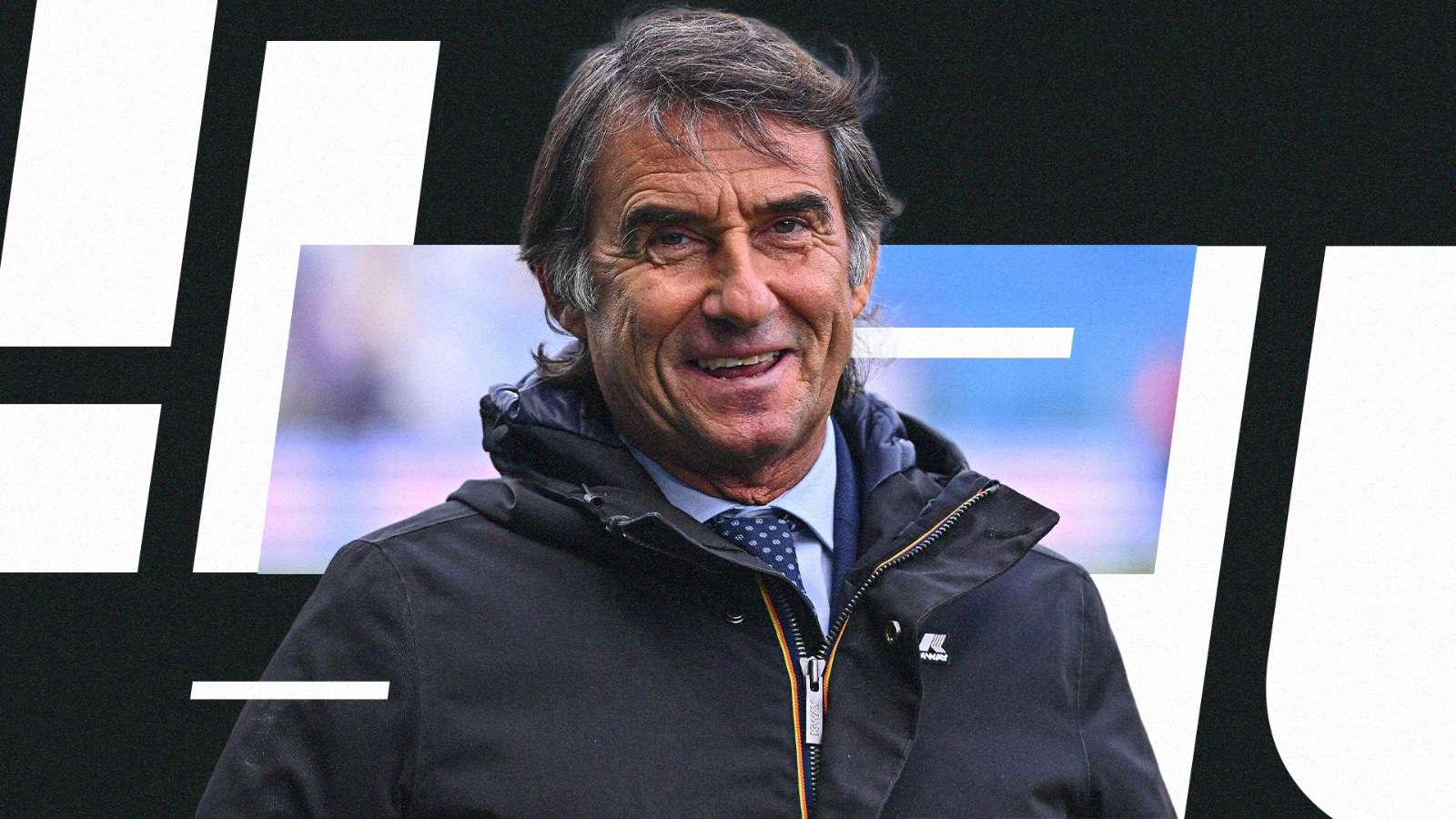
Juventus chief executive Giovanni Carnevali has offered a measured response to the forthcoming election for president of the Italian Football Federation (FIGC), saying clubs have time to consider the candidates and their plans before casting their votes. His comments came during Juventus’ shareholders’ meeting, where the discussion extended beyond the club’s finances and sporting ambitions to the leadership of Italian football.
According to Gazzetta.it, Carnevali described Adriano Galliani and Giovanni Malagò as prominent figures with considerable ability. However, with the election scheduled for 14 December, he said it would be premature to make a final assessment before reviewing the candidates’ programmes. The candidacies are due to be presented the following day, giving clubs and other stakeholders an opportunity to examine the proposals in detail.
Juventus calls for a considered decision
The CEO’s remarks reflect the importance of the FIGC presidency to clubs across Italy. The federation’s leadership can influence the direction of domestic football, from governance and competition structures to youth development and the long-term health of the sport. For Juventus and its rivals, the election is therefore more than a change in personnel: it is a chance to assess what kind of leadership Italian football needs next.
By highlighting the candidates’ experience while reserving judgment on their programmes, Carnevali struck a cautious tone. His comments suggest that personal reputations alone should not determine a club’s position. Instead, decision-makers will need to consider each candidate’s priorities, proposed reforms and ability to work with the many groups that make up the Italian game.
That approach is especially relevant in a sport where the interests of professional clubs, amateur football, players, coaches and supporters do not always align. A federation president must be able to bring those constituencies together while addressing practical challenges facing the game. The quality and detail of each programme could therefore prove just as important as the candidate’s profile.
Galliani and Malagò among the names under discussion
Carnevali’s description of Galliani and Malagò as highly capable figures recognises the stature both bring to the election conversation. Their names are associated with extensive experience in Italian sport and football administration, making them significant options as the FIGC prepares to choose its next president.
Yet the Juventus executive did not endorse either candidate outright. With voting still some time away, his message was that clubs should first understand what each contender intends to do. That includes looking beyond broad promises to the policies and practical steps candidates would pursue if elected.
For football followers, the election may appear less immediate than a league match or transfer decision, but its outcome can shape the environment in which clubs operate. Federation policies can affect competition rules, the organisation of the national game and the coordination between different levels of football. The president’s ability to set priorities and build consensus may influence how effectively those issues are handled.
Why the candidates’ programmes matter
Carnevali’s emphasis on reviewing the programmes points to a central question in the FIGC race: what changes do candidates believe are necessary, and how would they deliver them? Clubs will be looking for clear proposals rather than general statements of intent. They may also assess whether a candidate can turn a vision into workable policy while maintaining constructive relationships across the sport.
Italian football, like many major European leagues, must balance immediate competitive demands with longer-term development. Clubs want a stable and credible framework, while the wider game needs pathways for young players, effective administration and sustainable growth. The next FIGC president will be expected to navigate those competing priorities and respond to the concerns of stakeholders with different responsibilities.
These questions give the election wider significance than the names on the ballot. The leadership chosen in December could help determine how the federation approaches reform, communication and cooperation with clubs. For Juventus, careful scrutiny of those issues is likely to be more useful than rushing to support a candidate before the proposals are fully known.
Election timeline leaves room for debate
The timetable gives football organisations several weeks to consider the candidates before voting takes place on 14 December. With candidacies due to be presented the next day, the period ahead will allow clubs to compare positions and weigh the potential impact of each programme. Carnevali’s comments underline that Juventus intends to use that time rather than treat the election as a foregone conclusion.
The process may also encourage broader discussion about the future direction of Italian football. As candidates outline their priorities, clubs and other stakeholders will have an opportunity to judge how well those plans address the sport’s needs. The key test will be whether proposals are specific, achievable and capable of earning support across a diverse football community.
Football prediction: what happens next?
At this stage, any prediction about the outcome of the FIGC election would be premature. Carnevali’s remarks offer no clear indication of which candidate Juventus may ultimately support, and the programmes have yet to be assessed. The next significant development will be the formal presentation of candidacies, followed by a period of evaluation and debate ahead of the December vote.
For now, Juventus’ position appears to be one of openness and patience. The club recognises the standing of Galliani and Malagò but wants to examine their plans before reaching a conclusion. That stance may also serve as a reminder to supporters that leadership elections are decided not only by reputation, but by the confidence candidates can build in their ability to guide the game.
As the FIGC race develops, attention will turn to the detail behind each campaign and the alliances formed among football’s stakeholders. Carnevali’s comments have set out a clear principle for Juventus: take the candidates seriously, study their proposals and make a decision when there is enough information to judge their vision for Italian football.