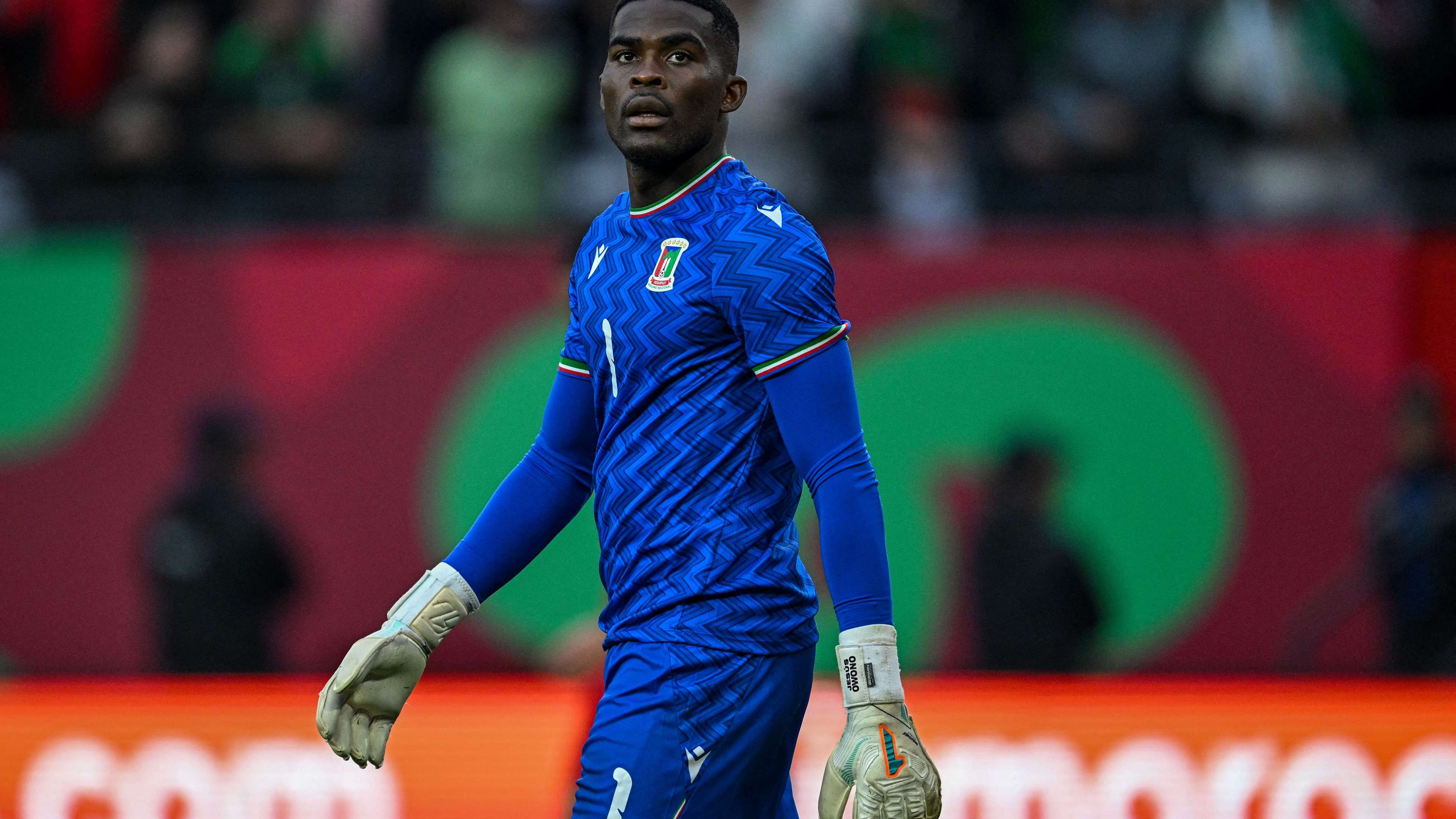

Ball-Tracking Error Puts La Liga Offside Decisions Under Scrutiny
A controversial penalty in the Basque derby has raised a much wider question for Spanish football: how much confidence can teams and supporters place in the technology used to assist referees? Athletic Bilbao’s 2-1 victory over Real Sociedad was overshadowed by an incident involving Jon Aramburu and Nico Williams—and by a later report suggesting that a sensor inside the match ball was not perfectly synchronised with the video used by VAR.
The episode has prompted concern well beyond the penalty itself. Former international referee Iturralde González warned that the technical fault could cast doubt on marginal offside decisions made in other La Liga matches this season. That does not prove those calls were wrong, but it has intensified calls for clearer explanations of how ball-tracking technology works and how officials respond when its data conflicts with video evidence.
How the Basque derby penalty became a technical controversy
The disputed moment came during the Athletic Club–Real Sociedad match, when a challenge involving Aramburu and Williams led to a penalty for Athletic. Video technology was used to help assess the incident, with information from a chip embedded in the ball forming part of the review process.
According to journalist Manu Carreño, speaking on Cadena SER’s El Larguero, Spain’s Technical Committee of Referees requested an urgent report from Kinexon, the German company responsible for the ball’s sensor system. The aim was to establish precisely what the chip had recorded and how its signal aligned with the VAR footage.
The committee initially said the penalty decision was based on the signal indicating that Williams had touched the ball last. However, the manufacturer’s analysis identified two peaks in the signal that did not correspond neatly with the images. Kinexon reported a slight synchronisation difference—approximately one or two video frames—between the ball’s data and the VAR footage.
In the company’s assessment, the most prominent signal peak matched the moment Aramburu reached the ball. The referees’ committee maintained that the VAR team had made its decision correctly using the evidence available during the match. It also acknowledged that, in light of the manufacturer’s subsequent report, Aramburu may have been the last player to touch the ball, potentially making the penalty incorrect.
Why a small timing gap matters
On its own, a difference of a frame or two may sound minor. In football, however, decisions can hinge on a fraction of a second. A slight delay between a sensor’s data and video footage could affect how officials interpret who touched the ball first, whether an attacker was offside, or when a pass was played.
González described the ball’s sensor data as an “electrocardiogram” and argued that the timing discrepancy mattered when the incident was examined more closely. In his view, the available information indicated that Aramburu had touched the ball last, meaning there should not have been a penalty. At the same time, he recognised that the on-field officials had to make their decision based on the evidence available to them in real time.
This distinction is important. A later technical report may offer a more detailed explanation than officials could access during a fast-moving match. That does not automatically mean the referee or VAR team acted improperly. It does, however, raise questions about whether the technology’s limitations were sufficiently understood and whether the review process had safeguards for conflicting or imperfect data.
Could the fault affect other La Liga decisions?
González’s strongest concern was the possibility that the synchronisation issue might not have been unique to the derby. He questioned whether similar timing differences could have affected marginal offside calls made earlier in the season, including decisions that ruled out goals or allowed them to stand.
There is no confirmation in the reported findings that the Kinexon system experienced the same problem in other matches. Nor does the derby report establish that any previous La Liga decision was wrong. The uncertainty is precisely the issue: without information about the fault’s scope, it is difficult for clubs, players and supporters to know whether the incident was isolated or part of a broader technical risk.
Modern football increasingly relies on several systems working together. VAR footage, ball sensors and other tracking tools can provide valuable evidence, but their usefulness depends on accurate calibration and synchronisation. When one element is out of step, even briefly, officials need a clear protocol for deciding which evidence to trust—and for communicating that decision afterwards.
VAR debate adds to pressure on referees
The controversy also arrived amid wider debate about how often VAR should intervene. La Liga president Javier Tebas had recently argued for greater use of the technology, including in a separate incident involving Kylian Mbappé. González criticised what he saw as inconsistent expectations, pointing to another challenge involving Diomande that he said had not received the same attention.
His response reflects a familiar tension in football: supporters want major errors corrected, yet frequent interventions can disrupt matches and invite further debate. A prediction about how VAR will handle future decisions is difficult while the system’s technical limits remain unclear. What is certain is that confidence depends not only on the final call, but also on whether the process is consistent and transparent.
Carreño noted that technology can fail just as people can make mistakes. That is a reasonable starting point, but it also highlights why clear reporting matters. If a sensor produces questionable data, the relevant authorities should explain what happened, whether the problem was isolated, and what checks are being introduced to prevent a repeat.
What happens next for football technology?
The Basque derby incident is unlikely to end the use of ball-tracking systems. Such tools can help officials make faster, more precise decisions, particularly in close offside situations. But their role should be supported by robust testing, independent verification and a reliable fallback process when data and video do not align.
For now, the penalty remains a reminder that technology is not infallible. The key question for Spanish football is not simply whether the original call was right or wrong, but whether the league and refereeing authorities can show that comparable decisions are being judged using dependable evidence.
Until that reassurance is provided, every close call may invite renewed scrutiny. As González put it, respect for the Technical Committee of Referees matters—but so does public confidence in the systems and explanations behind its decisions.