
Harry Kane’s Ballon d’Or victory puts his distinctive football style in the spotlight
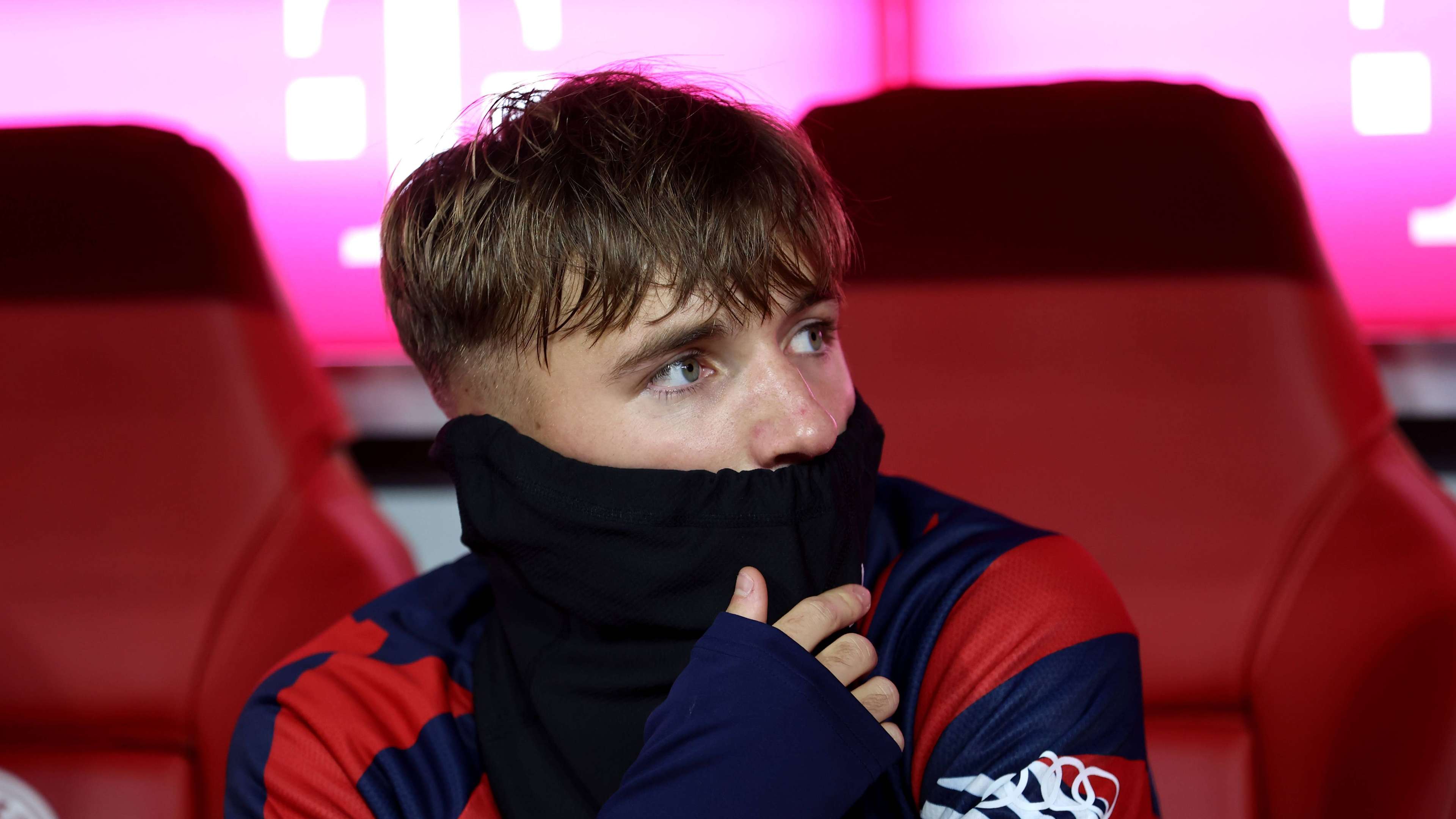
Harry Kane has never followed the conventional route to football superstardom. He was not crowned a global icon as a teenager, and his career was not built on constant self-promotion. Instead, the Bayern Munich striker says years of persistence, adaptability and consistent performances helped him reach the summit of the game—and earn the Ballon d’Or.
Speaking a week after receiving the prestigious award, Kane reflected on what makes his achievement unusual. He also made a confident case for the way he plays, arguing that his blend of goalscoring, creativity and defensive work could influence how future generations understand the centre-forward role.
“I have a unique style and, in that respect, I’m a unique Ballon d’Or winner,” Kane said at a press conference ahead of Bayern’s Champions League meeting with Atletico Madrid. “There aren’t many strikers who play the way I do, who put up my numbers while also dropping into midfield and defence and helping out in many different areas.”
The comments were more self-assured than the understated approach that has often defined Kane publicly. While some of his rivals have attracted attention through high-profile campaigns and public discussion of individual honours, Kane largely allowed his performances to make his case. His award has now given him an opportunity to explain why he believes his football offers something different.
A modern number nine who contributes beyond goals
Kane’s reputation has long rested on his ability to finish chances, but his influence extends well beyond the penalty area. He regularly drops deeper to receive the ball, links midfield play, creates openings for teammates and helps his side progress through pressure. That combination can make him both the final point of an attack and one of the players responsible for building it.
For Bayern, the value of that versatility is clear. A striker who can move between the forward line and midfield gives teammates more options, creates space for runners and makes it harder for defenders to predict where danger will come from. Kane’s passing range and awareness also allow him to contribute when opponents limit his chances in front of goal.
He hopes that the recognition could have an impact beyond his own career. Kane suggested that his success may encourage young players to see the number nine position differently—not simply as a role focused on scoring, but as one that can involve a broader range of responsibilities.
That idea reflects a wider change in modern football. Coaches increasingly expect forwards to press, combine with midfielders and help shape the team’s defensive structure. Kane’s career offers a prominent example of how traditional goalscoring instincts can coexist with those demands.
How Jose Mourinho helped broaden Kane’s game
Kane credited former Tottenham Hotspur manager Jose Mourinho with helping him recognise the full extent of his abilities. Before Mourinho’s arrival, Kane said, he was viewed more strictly as a conventional centre-forward. Mauricio Pochettino, who had overseen his rise at Spurs, had primarily used him as a number nine.
Mourinho, however, encouraged the striker to take on more creative responsibility. Kane recalled that he already considered passing one of his major strengths, but that quality was not always as visible because of his reputation as a goalscorer.
“Jose then gave me more freedom,” Kane explained. He also remembered a conversation about reaching his full potential, describing it as a turning point that changed aspects of his game.
The exchange was captured during Tottenham’s season in Amazon Prime’s documentary series All or Nothing. Mourinho spoke about helping Kane become a “movie star” of football, while the striker made clear that he wanted to reach the level of global greats such as Cristiano Ronaldo and Lionel Messi. Kane’s Ballon d’Or success has since placed him among the sport’s most celebrated players, though his route there was markedly different.
His partnership with Mourinho also produced a remarkable individual campaign. In the 2020–21 Premier League season, Kane won the Golden Boot as the competition’s leading scorer and finished as its top assist provider. The achievement underlined the dual threat that has become central to his identity: he can finish attacks himself or create the decisive opportunity for someone else.
A career built on resilience rather than early acclaim
Kane’s journey stands apart from those of players who were treated as generational superstars from a young age. He acknowledged that he experienced difficult periods early in his career and that some observers may not have expected him to reach the highest level. In his view, persistence and hard work helped him overcome those doubts.
“My path was a little different from those of other Ballon d’Or winners,” he said, pointing to resilience and determination as key parts of his progress. He added that people who understand football had long appreciated his approach and the qualities he brings to a match—a comment that also served as a restrained response to critics who questioned his standing.
For years, one criticism followed Kane more persistently than any debate about his playing style: his lack of major trophies. He left Tottenham, the club he had represented for much of his career, without winning a title. The absence of silverware became a frequent talking point despite his individual scoring records and status as one of England’s leading forwards.
That narrative began to change after his move to Bayern Munich in 2023. Kane has since added major honours with the German club, including league titles and the DFB Cup, providing a team-trophy dimension to a career already rich in individual achievements.
Atletico Madrid offers a chance to revisit a painful memory
Kane’s return to Atletico Madrid’s Metropolitano Stadium carries a personal connection. It was the venue for the 2019 Champions League final, when Tottenham lost to Liverpool in one of the most painful nights of his club career. Now, back at the same ground with Bayern, he has an opportunity to create a different memory.
“I have the chance to erase the painful memory of 2019,” Kane said. The Champions League fixture against Atletico is an immediate opportunity, while the stadium is also scheduled to host the competition’s final on 5 June. For Bayern, the match is an important test; for Kane, it is also a reminder of how far his career has travelled since that defeat.
Any prediction about the outcome of a Champions League campaign remains uncertain. Bayern must navigate a demanding European schedule, and Atletico are known for their organisation and intensity. But Kane’s presence gives the German side a forward capable of changing a match through a finish, a pass or a movement that opens space for another attacker.
His Ballon d’Or win has strengthened his place among football’s elite, but Kane’s own explanation of the achievement is less about a sudden arrival than a long process. He has become a world-class striker by combining the instincts of a scorer with the vision of a creator—and by continuing to adapt when others had already decided what kind of player he was.