
Spanish Football Mourns Jesús de Miguel After Fatal Collision in Second Division Match
Spanish football is in mourning after Tenerife striker Jesús de Miguel died from injuries suffered in a collision with FC Andorra goalkeeper Jesús Uno during a Segunda División match. The tragedy has left both clubs, supporters and players shaken, while raising difficult questions about how the incident occurred and what consequences may follow.
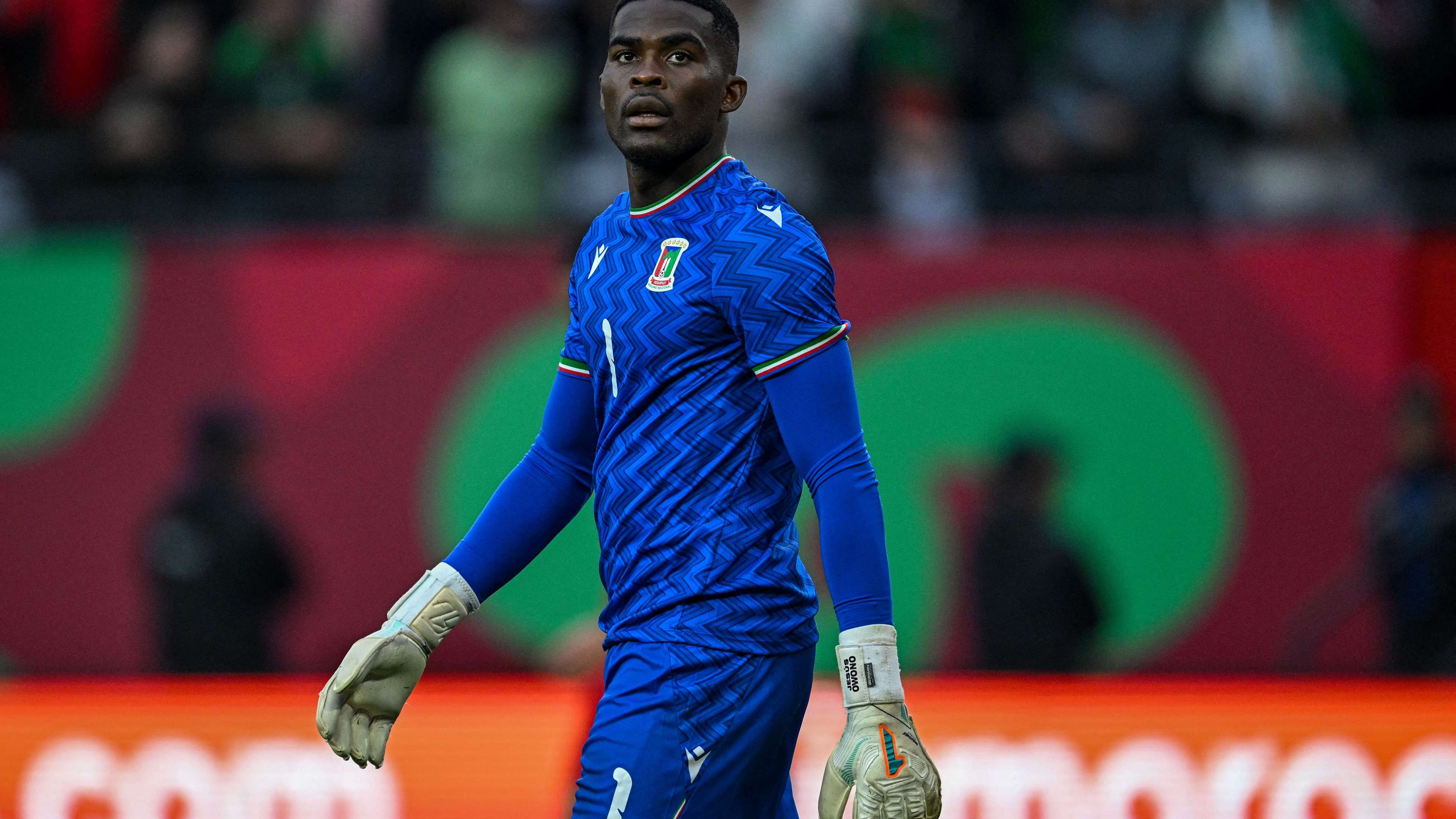
Uno, 25, is reportedly experiencing profound shock and grief. Spanish radio station Cadena COPE reported that the goalkeeper closely followed updates on de Miguel’s condition after the match and intends to offer a personal apology to the striker’s family. Club officials have said the challenge was not deliberate, though the circumstances will be assessed through the appropriate sporting and investigative processes.
Collision during Tenerife–Andorra match
The incident took place on Monday evening at the Heliodoro Rodríguez López Stadium, where Tenerife hosted FC Andorra in Spain’s second tier. Uno came out to challenge de Miguel for the ball, and the two players collided with considerable force. Reports say the goalkeeper raised his knee during the challenge, leaving the Tenerife forward with serious injuries.
Medical staff attended to de Miguel before he was taken to hospital. His condition later deteriorated, and his death was confirmed on Tuesday morning. He was 30 years old.
As footage of the collision circulated, the incident prompted intense discussion among fans and commentators. Many viewers focused on the force and timing of the challenge, while others cautioned against reaching conclusions based on video clips alone. In football, a serious outcome can make an incident appear different in hindsight, but determining what happened requires careful consideration of the full sequence, the players’ movements and the available evidence.
Goalkeeper reportedly devastated
The death has had a profound impact on Uno, according to reports from Spain. The goalkeeper is said to have remained concerned about de Miguel’s health after the match and to have followed developments closely. His reported intention to speak with the player’s family reflects the deeply personal dimension of a tragedy that has affected both sides.
FC Andorra officials have maintained that Uno did not set out to injure his opponent. That assurance does not, by itself, settle questions about the challenge or remove the need for a review. It does, however, underline the distinction between a deliberate act and a dangerous collision that occurs during the fast, physical contest for possession.
For players, coaches and supporters, the episode is a painful reminder that football can involve split-second decisions with consequences no one expects. Goalkeepers often leave their area to contest a ball, while attackers may continue their run at speed. When those movements converge, the result can be catastrophic, even when neither player intends harm.
Investigation will determine whether further action is warranted
Questions remain about whether the incident could lead to sporting or legal consequences. The seriousness of de Miguel’s injuries and the tragic outcome do not automatically establish that Uno was responsible. Any assessment will depend on the evidence, including the circumstances of the challenge, whether it breached the rules or standards of play, and whether investigators can establish a direct connection between the collision and the death.
Those are separate questions from the emotional response to the tragedy. Football authorities may review the incident under competition rules, while any legal assessment would follow its own process. Until the relevant findings are available, it is important not to treat online reactions or isolated footage as a final judgment.
The case also highlights the challenges of evaluating dangerous play. Referees must make decisions in real time, often with limited angles and only seconds to respond. Video review can provide additional perspective, but it cannot replace a complete investigation into the events before, during and after a collision.
Tributes from FC Andorra and Spanish football
Gerard Piqué, FC Andorra’s president and the former Barcelona defender, paid tribute to de Miguel in a message expressing his sorrow. “I am so sorry from the bottom of my heart. Rest in peace, Jesús,” he wrote.
Condolences have also poured in from across Spanish football. The Royal Spanish Football Federation postponed several Copa del Rey matches scheduled for Tuesday as a mark of respect. The decision reflected the widespread grief surrounding de Miguel’s death and the impact it has had throughout the sport.
For Tenerife, the loss is that of a teammate and a member of its football community. For Andorra, the tragedy is compounded by the distress experienced by a goalkeeper whose challenge became central to the incident. Supporters of both clubs are now confronting a painful reality that transcends the result of a match or the usual debate over tactics and performance.
More than a match result or prediction
Before the collision, the fixture was part of the regular Segunda División calendar, with both teams focused on their league campaigns and upcoming competitions. Match previews, team news and football prediction discussions typically centre on form, injuries, tactics and the standings. In the aftermath of de Miguel’s death, those sporting considerations have been pushed aside.
The scheduled fixtures listed for the clubs included a Copa del Rey match on 5 November 2026 and a league meeting on 8 November. Whether those games proceed as planned will be a matter for the relevant organizers and clubs, particularly as they respond to the loss and any continuing tributes or investigations.
For now, the priority is remembering Jesús de Miguel and supporting those closest to him. The football community’s response has shown how quickly a match can become secondary when a player suffers a life-threatening injury. As authorities examine the collision, the broader lesson is clear: safety, compassion and a careful search for the facts must come before speculation.